
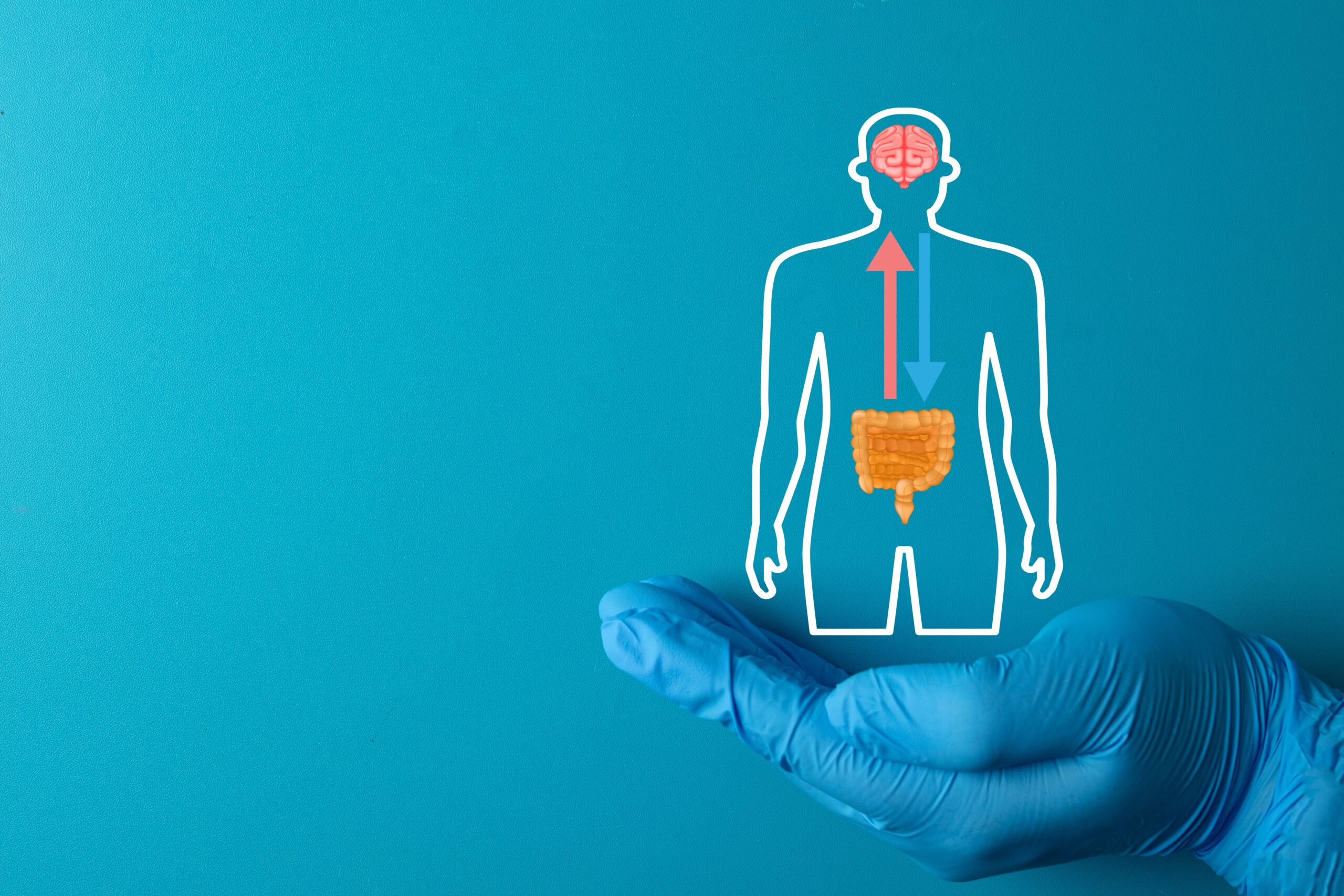
People with ADHD (Attention-Deficit/Hyperactivity Disorder) are more likely to experience gastrointestinal symptoms, compared with the neurotypical population. This finding comes from a recent systematic review and meta-analysis published in the Journal of Attention Disorders.
The study, conducted by Warwick Medical School in Coventry, United Kingdom, included 23 studies—cohort, cross-sectional, and case-control designs—encompassing more than 1.9 million participants aged between 2 and 65 years.
Eligibility criteria for the included studies required participants to have a diagnosis of ADHD defined by DSM or ICD criteria and to have reported gastrointestinal symptoms. Studies involving patients with confirmed organic diseases, such as inflammatory bowel disease, were excluded.
The analysis focused on symptoms such as constipation, encopresis, dyspepsia, diarrhea, abdominal pain, irritable bowel syndrome, and non-specific gastric or intestinal disturbances in individuals with ADHD compared with the neurotypical population.
According to estimates from the National Institute of Mental Health, 2024, ADHD affects about 3% to 4% of the adult population, but epidemiological data from the last 40 years indicate a substantial rise in ADHD diagnoses and autism spectrum disorders. Research indicates that genetic factors, such as chromosomal abnormalities, and environmental factors like diet and stress, may play a role in this, but the causes of neurodivergence are not yet fully understood.
The Data Collected
In people with ADHD, a greater likelihood of experiencing gastrointestinal disturbances compared with the neurotypical population was observed, with an overall increase of 48% (OR 1.48). Considering individual symptoms, the strongest association was found for encopresis, for which the probability was more than four times higher in people with ADHD (OR 4.32; 95% CI 2.50–7.47). Diarrhea also showed a probability more than double than the neurotypical population (OR 2.18; 95% CI 1.52–3.13).
For other disorders, the probability of abdominal pain was 88% higher (OR 1.88; 95% CI 1.07–3.30), while non-specific gastric or intestinal disturbances were almost double (OR 1.82; 95% CI 1.61–2.07). A higher probability of irritable bowel syndrome was also observed, with a 58% increase (OR 1.58; 95% CI 1.39–1.78), and dyspepsia with a 52% increase (OR 1.52; 95% CI 1.43–1.61).
The Reasons Behind the Phenomenon
To explain this relationship, the authors proposed several hypotheses. One concerns the behavioral characteristics associated with ADHD; emotional dysregulation and greater reactivity to stress could affect visceral sensitivity, contributing to functional abdominal pain.
A second hypothesis concerns impulsive eating behaviors and irregular meal timing; skipping meals or alternating periods of overeating with irregular eating are behaviors that, according to the studies cited by the authors, may be associated with dyspepsia, bloating, constipation, and abdominal pain.
Sleep disorders, frequently associated with ADHD, could also amplify preexisting gastrointestinal vulnerability, and influence gastrointestinal motility, immune responses, and visceral sensitivity through circadian and autonomic mechanisms.
A Holistic Approach to Management
Although the review highlights a strong association between ADHD and gastrointestinal symptoms, it does not permit confirmation of a causal relationship. The authors emphasize that managing people with ADHD requires a holistic approach; clinicians should be aware of the higher frequency of GI manifestations, and actively consider them in patient care.
In the future, research should focus on understanding the interactions between neurobiological and genetic mechanisms, as well as the pharmacological underpinnings of GI symptoms, and on care strategies that ensure comprehensive support for neurodivergent individuals.
Source
Blake, S., Cannon, H., & Shantikumar, S. (2026). The Association Between Attention-Deficit Hyperactivity Disorder and Gastrointestinal Symptoms: A Systematic Review and Meta-Analysis. Journal of Attention Disorders, 0(0).
Abbonati a Karla Miller