
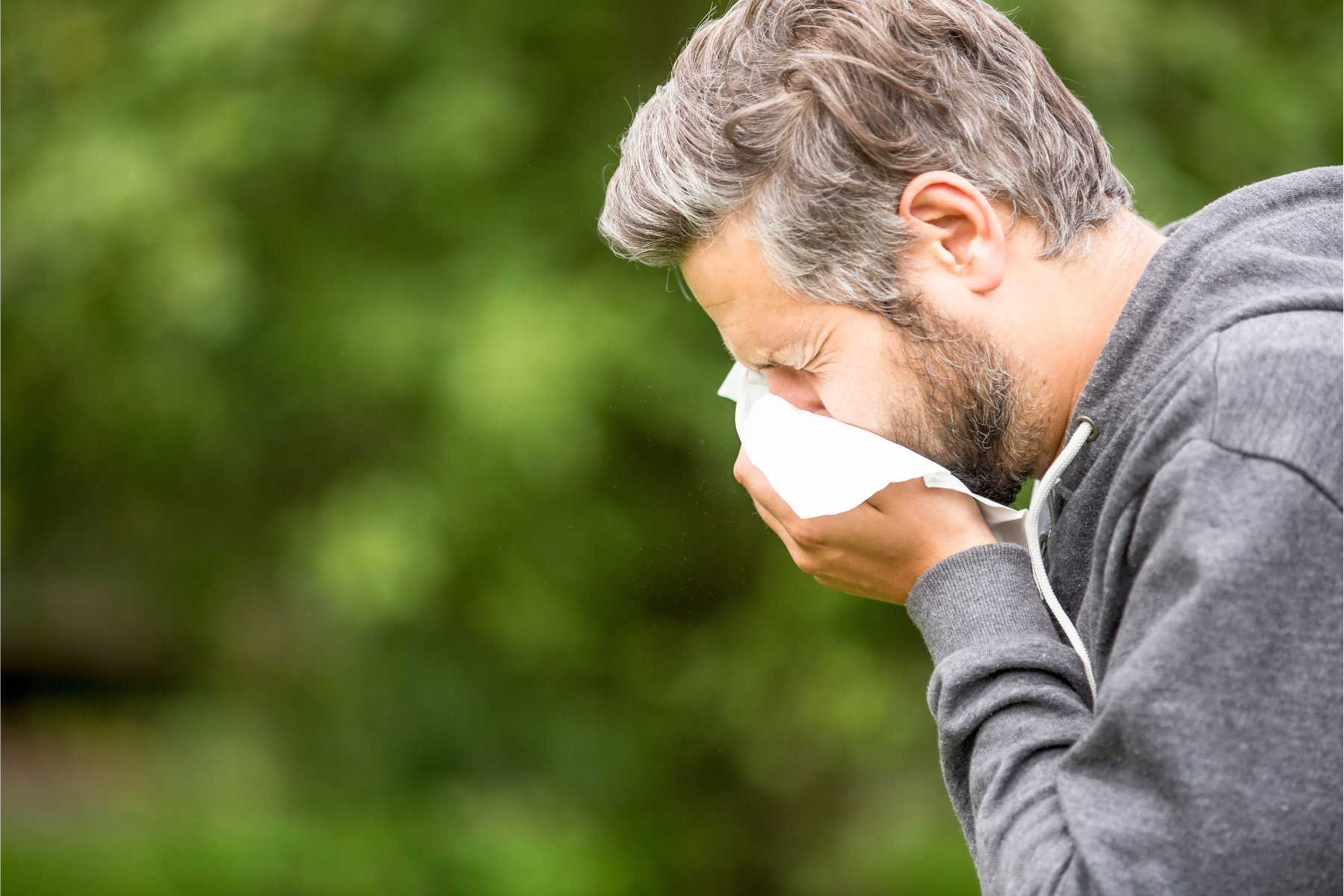
With the arrival of spring, seasonal allergies return, a phenomenon that each year affects millions of people and can significantly impact quality of life.
To raise awareness and promote proper management of respiratory allergies, Federasma e Allergie ODV distributes, on the occasion of the first day of spring, a ten-point decalogue of recommendations to face the pollen season in a mindful and safe way.
Respiratory allergies should not be underestimated: promoting early diagnosis and encouraging therapeutic adherence can significantly influence disease control and the prevention of exacerbations.
«Spring is a season awaited and loved, but for many people it coincides with the return of respiratory allergies, – says Mario Picozza, president of Federasma e Allergie ODV. – It is essential that patients do not underestimate the symptoms and learn to manage their allergy in a conscious way. A correct diagnosis, adherence to therapy, and some simple daily precautions can significantly reduce the impact of the disease on quality of life. Our goal is to promote information and prevention, so that those who suffer from allergies can experience spring with greater serenity and safety».
Guidelines
This is the decalogue drafted by Federasma e Allergie ODV to support patients in managing seasonal allergies:
- Know your allergy: obtaining an accurate allergy diagnosis represents the first step toward proper symptom management.
- Adhere to prescribed therapy: do not stop or modify medications without consulting your doctor.
- Monitor the pollen calendar: staying informed about pollen levels in your area helps prevent exposure on the most critical days (https://pollnet.isprambiente.it).
- Limit exposure during peak hours: avoid, if possible, the early morning and late afternoon when pollen counts are highest.
- Ventilate rooms appropriately: prefer evening hours or times after rain for airing out indoor spaces.
- Use protective devices when needed: sunglasses and masks can help reduce pollen exposure.
- Practice good personal hygiene: wash hands, face, and hair frequently to remove accumulated pollen.
- Manage the home environment: clean living spaces regularly and, if possible, use air filtration systems. Window screens can help reduce pollen entry.
- Don’t underestimate respiratory symptoms: if you have a persistent cough, wheezing, or shortness of breath, it’s advisable to consult a doctor.
- See an allergist: only a specialist evaluation can provide an accurate diagnosis and set up a personalized treatment plan.
- Define the most appropriate diagnostic and therapeutic pathway.
Subscribe to Karla Miller