
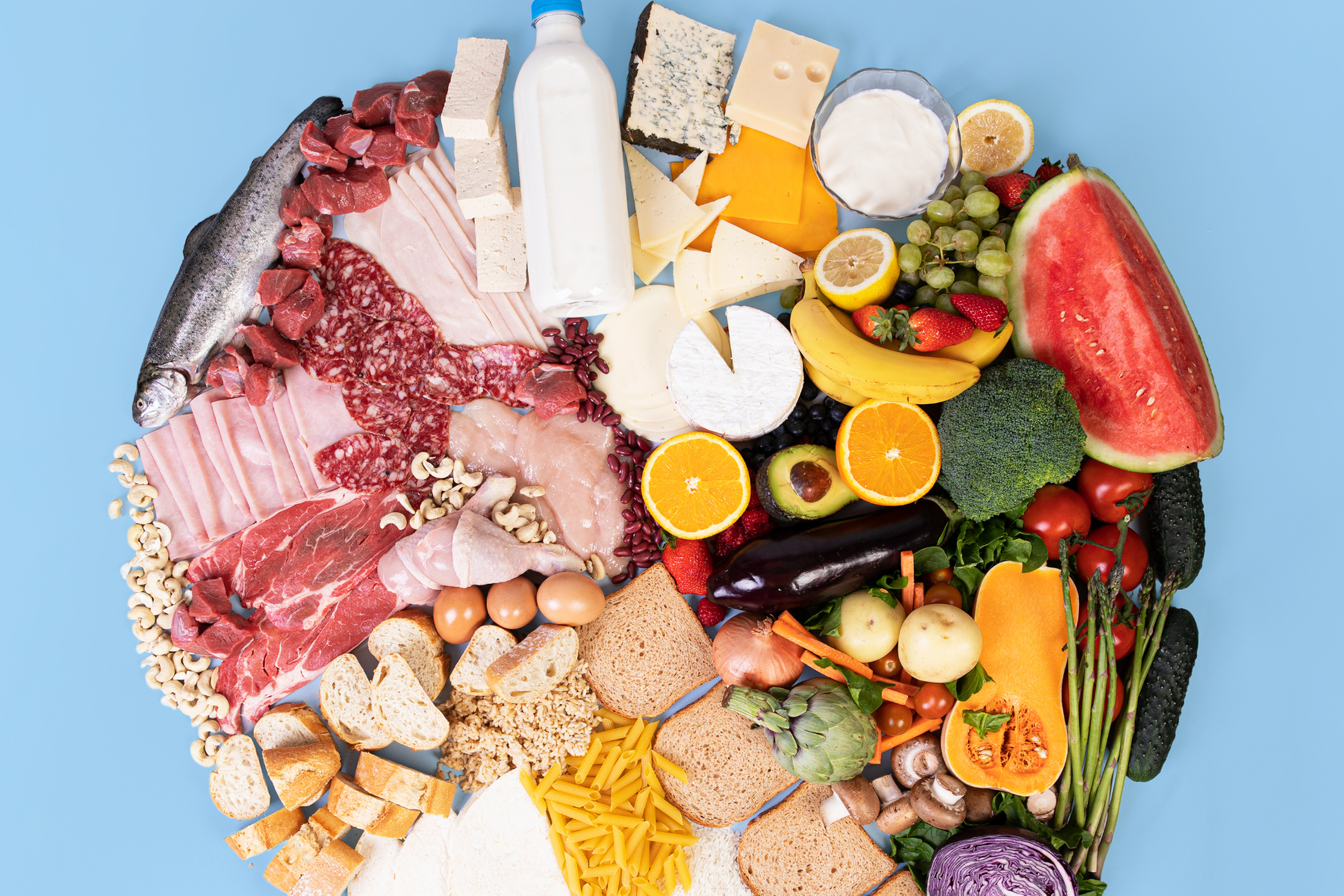
Two to four extra years of life, both in quantity and quality. This is the expanded survival window associated with the consumption of certain foods: fruits, vegetables, whole grains, legumes—cornerstones of a healthy diet, particularly the Mediterranean pattern—that have proven to be the most effective and efficient at promoting longevity in a state of improved well-being and health.
That is what emerges from a Chinese study conducted at Huazhong University of Science and Technology, published in Science Advances.
The Study
More than 100,000 individuals in the United Kingdom’s Biobank were followed for an average of ten years, with their dietary habits reassessed over time. These are the core components and measurement parameters of a study that sought to investigate the benefits of five different dietary patterns—widely regarded as among the healthiest—in terms of extending life not just in years but in quality of life.
Chinese researchers focused specifically on: the Mediterranean diet, rich in healthy fats, fish, and vegetables; a diabetes-risk-reduction diet that emphasizes fiber-rich foods and minimizes sugars; the DASH diet designed to combat hypertension; a plant-based diet; and the AHEI (Alternative Healthy Eating Index), a regime high in fruits, vegetables, whole grains, nuts, legumes, and healthy fats, and low in red and processed meats, sugary drinks, sodium, and refined grains—crafted to prevent chronic disease. Data analysis relied on a scoring system assigned by researchers based on how consistently and closely participants adhered to each healthy eating pattern, then cross-referenced with specific genetic parameters.
The Chinese team analyzed participants’ DNA for 19 longevity-associated variants, enabling them to estimate, for example, how many extra healthy years a 45-year-old might expect to live by following one of the five healthy diets compared with less healthy eating patterns.
Gender Data
Although all of the diets studied showed pro-longevity effects, the gains varied depending on the dietary pattern and sex, independent of longevity genes. For example, men on the diabetes-risk-reduction diet gained about 3 years, while women gained only about 1.7 years, or 2.2 and 2.3 years respectively with a Mediterranean diet—though the gap was smaller.
For the AHEI, the benefit was 4.3 years for men and 3.2 for women. Finally, the plant-based diet showed an advantage of 2.1 years for men and 1.9 years for women, compared with 1.9 years for men and 1.8 years for women on the DASH plan.
In short, the study’s data point to a substantial influence of healthy eating habits in improving and extending life expectancy, independent of longevity genes.
Source LV Y, Song J, Ding D et al. Healthy dietary patterns, longevity genes, and life expectancy: A prospective cohort study. Science Advances, 2026, Vol 12, Issue 7. DOI: 10.1126/sciadv.ads7559
Subscribe to Integrative Medicine