
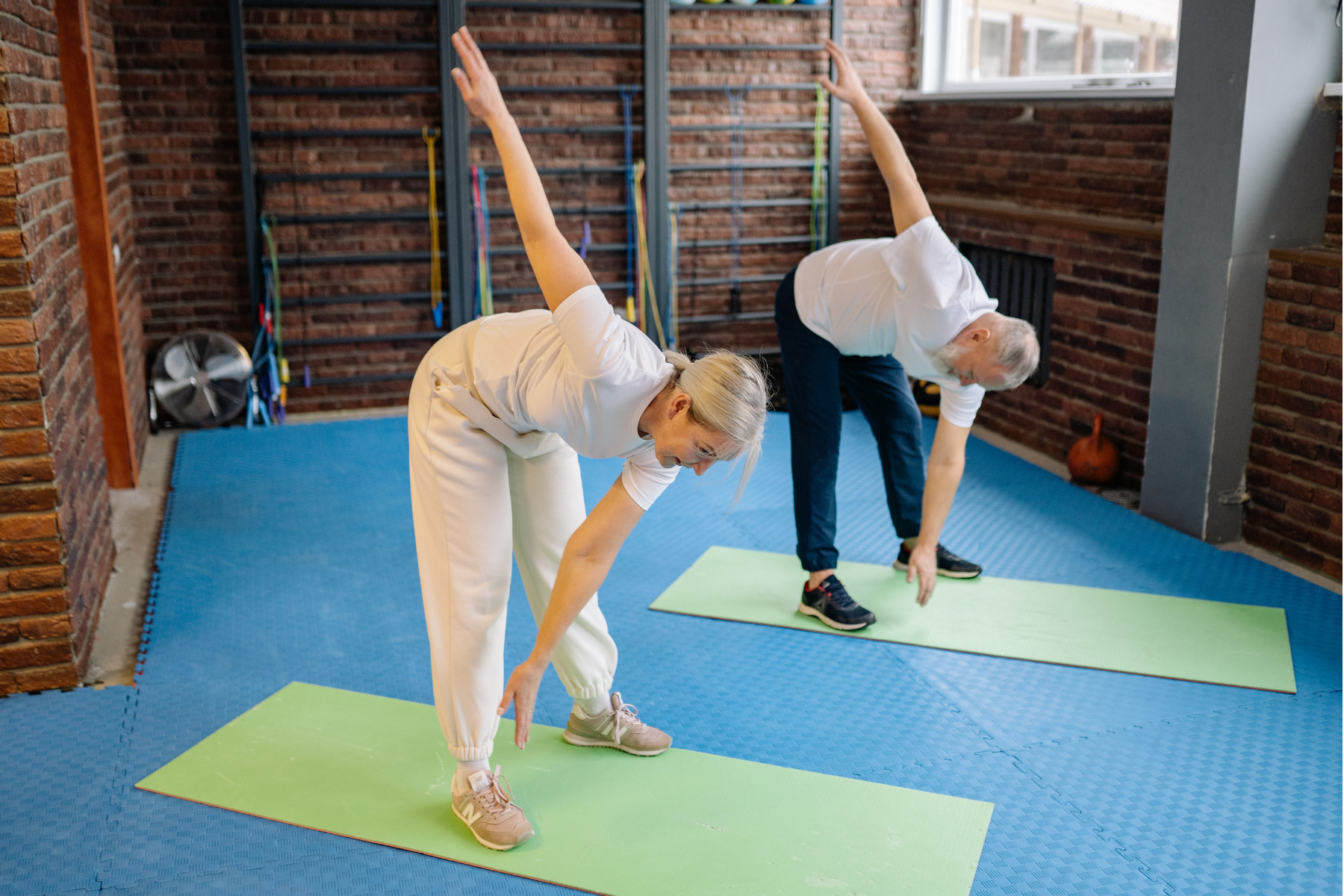
Diabetes is one of the world’s biggest health challenges. In this context, prevention strategies are essential. Physical activity stands out as a therapeutic pillar alongside diet. Moreover, data collected from the renowned Nurses’ Health Study and from the Health Professionals Follow-Up Study indicate that alternating different forms of exercise can contribute to a meaningful reduction in mortality among people with diabetes.
In this regard, the president of SID, Raffaella Buzzetti intervened: «Physical activity is not a therapy add-on; it is an integral part of prevention and therapy strategies at every stage of the disease — emphasizes Professor Raffaella Buzzetti, president of the Italian Society of Diabetology (SID) — We have always stressed the importance of consistency and regular exercise. But now, the latest scientific evidence also highlights the importance of variety. Alternating aerobic activity and resistance training means intervening on different physiological mechanisms: we improve insulin sensitivity, reduce visceral fat, protect muscle mass, and contribute to controlling the main cardiovascular risk factors».
The Study
Findings from the Nurses’ Health Study and the Health Professionals Follow-Up Study were published in the British Medical Journal. The two studies, which enrolled people initially free of diabetes and other major chronic diseases, showed that those who regularly engage in physical activity live longer. But there’s more. People who over time alternated different forms of exercise—from walking to running, cycling to weight training—showed a 19% reduction in mortality risk compared with those who focused on a single activity, even when the total amount of movement was the same.
«These findings — notes Professor Buzzetti — are particularly relevant for people with diabetes, in whom physical activity is one of the main determinants of metabolic control and cardiovascular risk».
According to the evidence, alternating the type of exercise produces a synergistic effect on the body.
«Aerobic activity improves insulin sensitivity and cardio-respiratory capacity. Resistance training — clarifies the SID president — preserves and increases muscle mass, promoting better glucose utilization. Balance and coordination exercises reduce the risk of falls, particularly important in the presence of diabetic neuropathy. Integrating these modalities of physical activity means acting simultaneously on blood glucose, blood pressure, body composition, and lipid profile».
Guidelines
The recommendations from the American Diabetes Association and the World Health Organization are aligned with this integrated view. The guidance for people with diabetes (but also for the general population) is to engage in:
- At least 150 minutes per week of moderate- to vigorous-intensity aerobic activity (brisk walking, running, cycling, swimming, dancing, jump rope, stationary bike, elliptical), spread over a minimum of three days, avoiding more than two consecutive days of inactivity
- Resistance training (weights, dumbbells, resistance bands, calisthenics) 2-3 times a week
- Flexibility and balance exercises (stretching, yoga, Pilates) to complement aerobic and resistance training.
«You don’t have to become athletes. – says Buzzetti – It’s essential, however, to avoid a sedentary lifestyle (standing up from the chair every 30-60 minutes) and to insert into the week different moments of movement, with continuity over time. Our message is simple: moving lengthens life, moving in different ways protects it and even enhances it».
The Role of Clinicians and Institutions
However, it’s important to remember that there isn’t a single exercise program that fits everyone. «Every exercise program should be tailored to age, potential complications, and ongoing therapy, with particular attention to the risk of hypoglycemia in patients treated with insulin — notes the SID president — but none of this should be a barrier».
This very aspect calls for a paradigm shift and strong support from the scientific community. It’s worth underscoring that the world of diabetes, which has long embraced the concept of integration of expertise and multidisciplinary patient management, is ready to meet this challenge.
«For clinicians, prescribing exercise should receive the same careful attention as prescribing a drug – continues Professor Buzzetti – and this means bringing onto the multidisciplinary team not only exercise physiologists, but also sports medicine physicians, physiatrists, and physical therapists.
Nevertheless, a primary role must also be filled by Institutions. «Questo significa non solo investire nella creazione di spazi sicuri e attrezzati per permettere di fare attività aerobica all’aperto, ma anche pensare ad incentivi economici, come la possibilità per le persone con diabete di portare in detrazione le spese di palestra e attività sportive amatoriali (e non solo per i figli minorenni), per rendere l’attività fisica sempre più accessibile a tutti. È un investimento nella salute futura. A basso costo, ma molto redditizio.» conclude Buzzetti.
Abbonati a Karla Miller