
Periodontal disease is an inflammatory condition that affects the gums and the supportive tissues around the teeth and, beyond being one of the most widespread conditions worldwide, has been linked to an increased risk of several systemic conditions, including cardiovascular disease and diabetes. Among dietary factors potentially involved in oral health, nitrates and nitrites have drawn interest, present in both plant-based and animal foods.
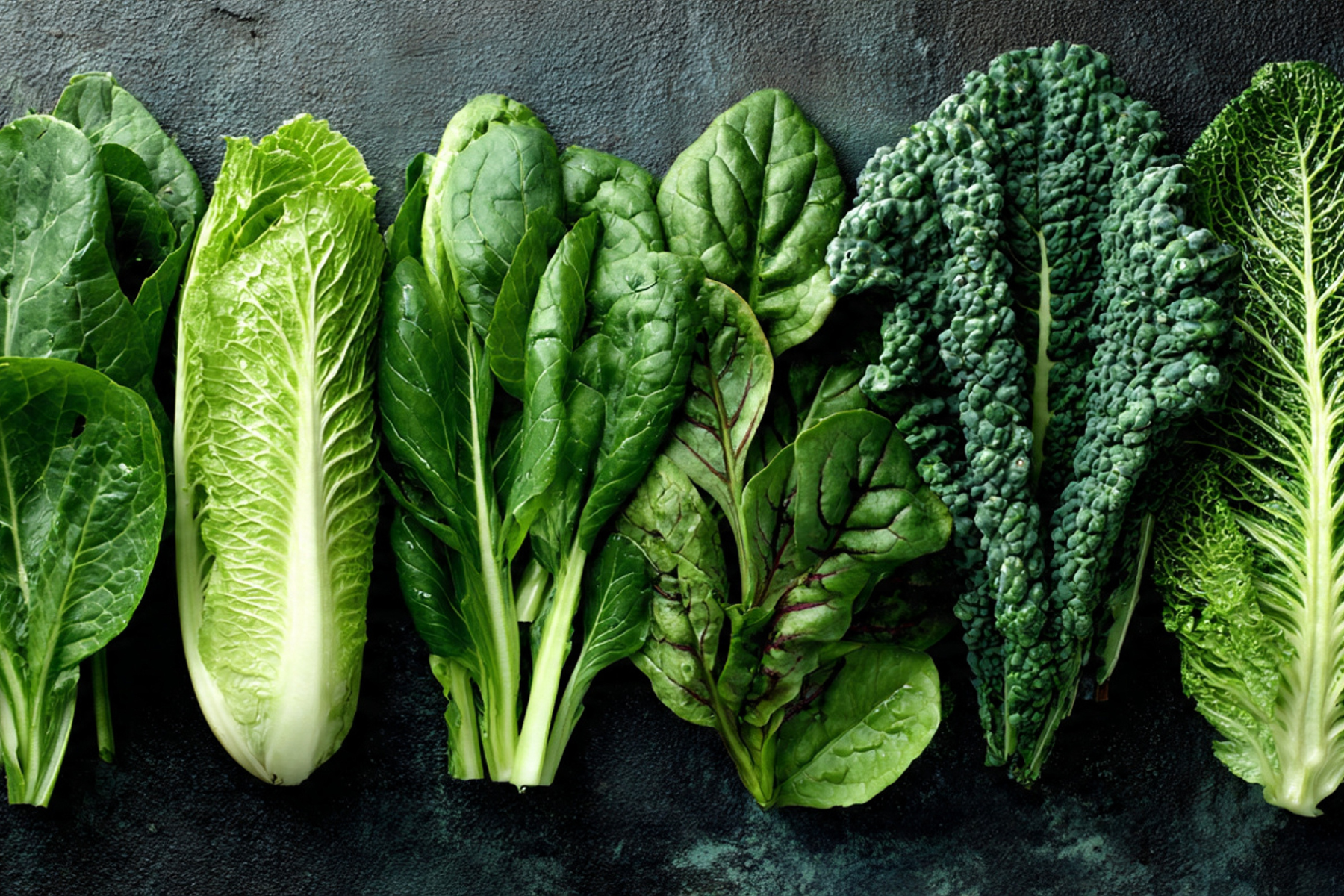
Recent studies have shown that these compounds taken in the diet can influence human health in different ways depending on their source, with plant-based sources seemingly offering greater benefits. In particular, vegetables, especially leafy greens, serve as the primary source of nitrates, which in the oral cavity can be converted to nitrites and then to nitric oxide, with potential effects on the microbiota and gingival inflammation.
The clarification of the role of different dietary sources is the aim of this analysis of the UK Biobank cohort data, which evaluated the association between intakes from plant or animal sources of nitrates and nitrites and self-reported symptoms of periodontal disease. The analyses involved 158,778 participants in the cross-sectional assessment and 83,026 in the longitudinal one.
Most evident benefit from plant-based sources
From the consumption analysis, the median nitrate intake was about 70 mg per day from plant sources and just over 3 mg from animal sources, with leafy green vegetables driving the contribution (about 35% of total intake), followed by other vegetables and fruits.
Evaluating the impact on periodontal health, the results clearly favored plant sources. For both nitrates and nitrites from this origin, moderate to high intake was associated with a consistent reduction in the likelihood of periodontal disease, with benefits ranging from 6% to 14% depending on whether short- or long-term data were considered.
Delving into the clinical details, higher intakes of these plant-derived compounds were protective primarily against gingival bleeding, tooth mobility, and the need for prosthetics. The strength of this favorable association was further confirmed across all analyzed subgroups, remaining stable regardless of sex, age, smoking status, and body weight.
More uncertain data for animal sources
A diametrically opposite picture emerged for compounds of animal origin, with associations appearing weak and inconsistent. Animal nitrates showed no significant relationship with periodontal health, while higher intake of animal nitrites was associated with a modest increase in disease risk (about 4.3%). However, since this association appeared only in the cross-sectional analysis and was not confirmed over time, the authors urge caution in interpreting it.
Biologically, researchers explain that the benefits of plant-origin compounds would depend on their ability to promote the growth of specific beneficial oral bacteria, such as those in the Rothia and Neisseria genera. These microorganisms contribute to raising salivary pH, creating an environment less conducive to dysbiosis, and promote local production of nitric oxide, a molecule capable of antimicrobial action and of improving blood flow in the supporting tissues of the teeth.
Source and food matrix matter
In conclusion, the findings suggest that, when evaluating possible health associations, it is important to consider not only the amount of nitrates and nitrites consumed but also the source and the food matrix. The most favorable and consistent associations emerged for plant foods, while data related to animal sources were weaker and more contradictory.
The study, however, has several limitations: periodontal disease was identified based on self-reported symptoms rather than a clinical diagnosis; the nitrate and nitrite content in foods can vary depending on factors such as cultivation, storage, and cooking; moreover, it cannot be ruled out that some of the observed benefit may be due to other protective components present in plant foods (vitamin C, polyphenols, etc.) or to overall healthier lifestyle patterns that characterize people who predominantly consume these foods.
Overall, the data support recommendations for a diet rich in vegetables, which could also contribute to oral health. However, controlled clinical trials conducted with objective dental assessments will be needed to determine whether consuming nitrate-rich plant foods can effectively prevent or mitigate periodontal disease.
Study
Alhulaefi SS, Watson A, Brandt K, et al. Exploring the associations between dietary nitrate and nitrite intake and markers of self-reported periodontal disease in the UK Biobank cohort. Eur J Nutr. 2026;65(5):174. Published 2026 Jun 29. doi:10.1007/s00394-026-04035-2
Abbonati a Karla Miller