
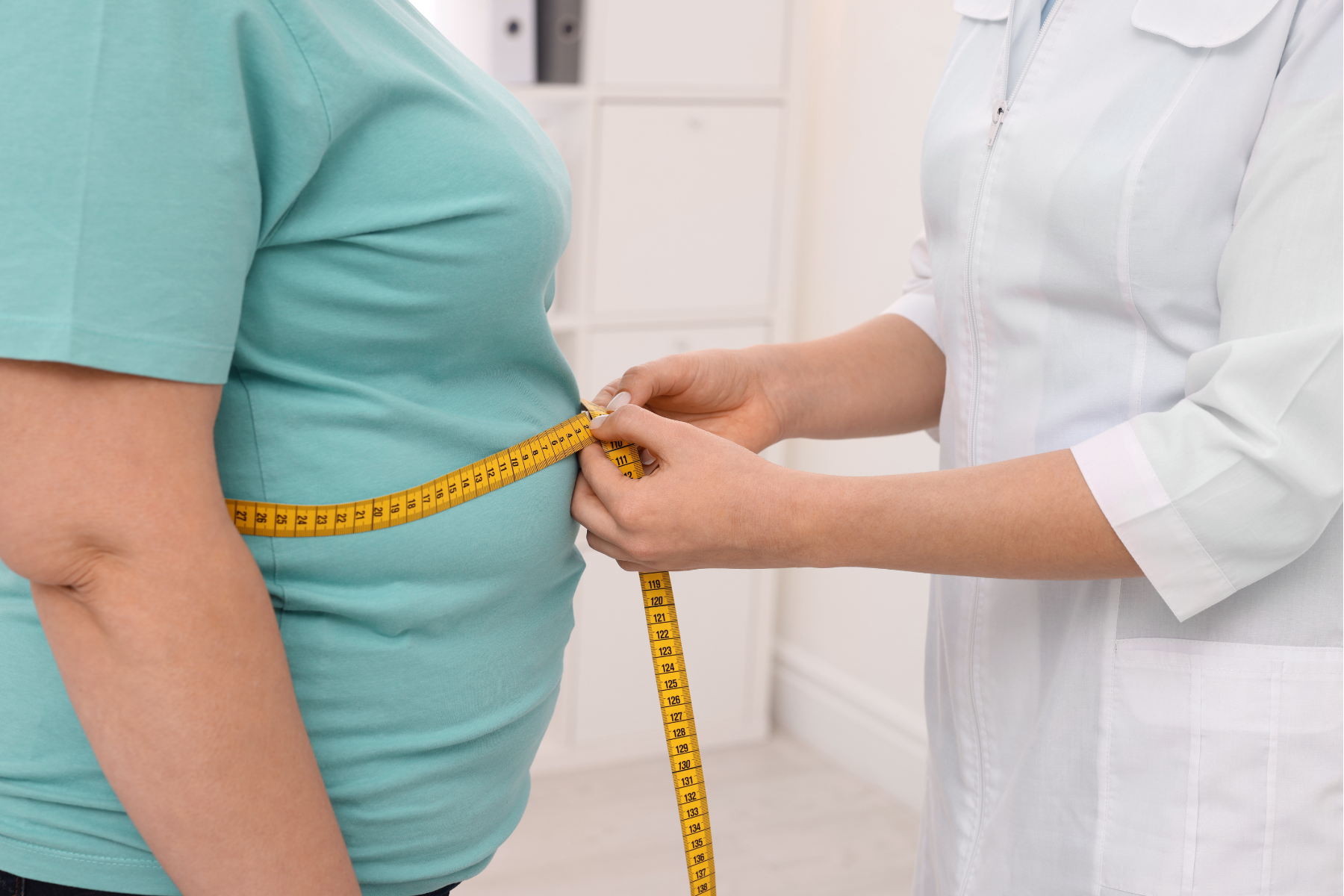
The prevalence of overweight in the Italian population has remained essentially stable over the past decade, rising from 45.9% in 2016 to 46.4% in 2025. The situation is different for obesity, which shows a notable increase among young people, especially among women.
According to ISTAT analysis, among women aged 18 to 34 the share of people with obesity rose from 3.6% in 2016 to the current 6.3%, a 75% increase, higher than what was observed among their male peers (+35%), rising from 4.6% to 6.2%.
The rise also affects the immediately adjacent age groups. Among 35-44 year-olds the obesity rate climbs from 8.5% to 10.3%, an increase largely driven by a 2.6 percentage-point rise recorded in men. In the 45-54 age bracket it goes from 11.1% in 2016 to 12.5% in 2025. In the older age groups, growth relative to 2016 is more modest or absent, painting an epidemiological picture that primarily concerns the younger generations.
The Italian Barometer Obesity Forum 2026
These are some of the 2025 ISTAT data on obesity epidemiology in Italy presented at the eighth Italian Barometer Obesity Forum, “Obesity in Italy 2026: data, impacts, health-policy perspectives and intervention legislation.” The gathering brought together institutions, experts, scientific societies, and patient associations with the aim of defining shared strategies to counter the obesity and overweight pandemic in our country.
The event was organized, at the initiative of Senator Daniela Sbrollini, with scientific and institutional support from the Intergroup on Obesity, Diabetes and non-communicable diseases (NCDs); the Intergroup on Quality of Life in Cities; the Intergroup on Digital Health and Digital Therapies; the Intergroup on Prevention of Emergencies and Health Care in Inland Areas; the Italian Barometer Diabetes Observatory (IBDO) Foundation; ISTAT; Coresearch; CREA Health; Bhave; the University of Rome Tor Vergata – Department of Service Medicine; area1 scientific societies; the Italian Obesity Network; Open Italy; and FIAO – Italian Federation of Obesity Associations, with unconditional support from Novo Nordisk.
“Italy was the first country, during this legislative term, to pass a law on obesity, recognizing it as a chronic and recurring disease. This is an enormously important achievement. A key strength of the law is the creation of an Observatory charged with monitoring, studying the data, and supporting the dissemination of healthy lifestyles. The National Prevention Plan 2026-2031, approved by the Ministry I am honored to lead, envisions targeted activities to counter overweight and obesity, promoting integration between health care, education, sport, environment, and communication to foster, in conditions of equity, environments conducive to active living. All actions taken so far show that the path to counter obesity is laid out. We must continue walking it together—with determination, foresight, and awareness,” explains the Minister of Health Orazio Schillaci in the foreword of the Italian Barometer Obesity Report 2026.
On the occasion of the day, Minister Schillaci’s commitment to combating obesity and non-communicable diseases received formal recognition with the Open Italy Award, established by the IBDO Foundation in collaboration with the Intergroup on Obesity and Diabetes. In parallel, on June 25, the same IBDO Foundation was awarded the prize “Excellence in Scientific Information and Patient-Centeredness,” promoted by the Osservatorio Comunicazione Medico Scientifica (OCMS), which honors science communication projects capable of generating a positive and tangible impact on patients’ health.
A Chronic Disease
Obesity is not a choice or a fault of the individual, but a complex and multifactorial disease, rooted in genetics and amplified by modern, sedentary lifestyles.
«Their real gravity lies in its multisystemic nature, associating with a large number of major complications, such as type 2 diabetes, hypertension, dyslipidemia, obstructive sleep apnea, osteoarthritis, and cardiovascular diseases — explains Paolo Sbraccia, president of the IBDO Foundation, University of Rome Tor Vergata. – In this scenario the rise of obesity among young women is particularly concerning: obesity triples the risk of female infertility and increases abortion risk, reducing chances of conception as BMI grows. Additionally, excess weight worsens polyendocrine-metabolic ovarian syndrome, a condition that also affects reproductive and metabolic function in women, increasing infertility and metabolic complications».
Data Among the Young
Data concerning children and adolescents are also a cause for concern. In the 2024-2025 period, in Italy more than one in four minors aged 3 to 17 (26.0%) are overweight, with a peak of 32.3% among 3- to 10-year-olds.
«The data show a strong family component and a significant influence of the family’s socioeconomic and cultural conditions. In fact, the share of overweight minors rises to 35.8 percent when both parents share this condition, to 28.7 percent if only the mother is affected, and to 24.9 percent if the father is affected, explains Roberta Crialesi, head of the Health, Wellness and Care Statistics unit at ISTAT.
“As the Rector of a university that has translational research and civic engagement as a core identity, I am proud that our university continues to be an active part of this project. The IBDO Foundation now stands as a privileged observatory capable of dialoguing with institutions, the clinical world, and civil society. At a time when policy has finally taken a decisive step with the Pella law, the academic world’s task is to provide scientific evidence, data, and expertise needed to translate a law into concrete, effective, and durable actions,” comments Nathan Levialdi Ghiron, Rector of the University of Rome Tor Vergata in the foreword of the Italian Barometer Obesity Report 2026.
The Law and Integration into Care Pathways
«With the world’s first obesity law, Italy has established itself as an international model in the fight against this condition, turning regulatory recognition into a true driver of change. The law opened the door to greater integration of obesity into the main health planning tools, such as the Chronicity Plan approved at the State-Regions Conference soon after, strengthening at all institutional levels the urgency of an effective care approach. A paradigm shift that will translate into further actions, from education and prevention campaigns in the educational sphere to better and fairer access to care pathways and quality of life», comments Roberto Pella, president of the Parliamentary Intergroup on Obesity, Diabetes and NCDs and the lead sponsor of the obesity law.
«The Law represents a first, essential milestone in this journey, indispensable to turning the law’s principles into concrete actions, adequate resources, efficient care networks, structured prevention programs, and practical tools capable of genuinely improving people’s lives. We must invest in endocrino-metabolic prevention, in community-based medicine, in promoting physical activity, in nutritional education, in research and therapeutic innovation», adds Senator Daniela Sbrollini.
«Obesity is one of the most serious global epidemics of our century: worldwide it already affects more than 1 billion people, while in Italy it concerns as many as 6 million adults. Even more alarming is the younger population: in our country more than one in four children are overweight, a troubling statistic that places us at the European leadership in negative terms and portends an even more devastating future impact. For this reason Novo Nordisk, for more than 30 years, has been daily committed to researching and developing increasingly innovative solutions for treating this disease, promoting prevention, accurate knowledge, and understanding of the illness. A proactive commitment with the aim of radically changing how this chronic disease and its related comorbidities are seen, prevented, and treated. My hope is that, by joining forces in events like this, we can all work in the same direction and make a real difference in the lives of people living with obesity», concludes Jens Pii Olesen, General Manager and Vice President of Novo Nordisk Italia.
Abbonati a Karla Miller