
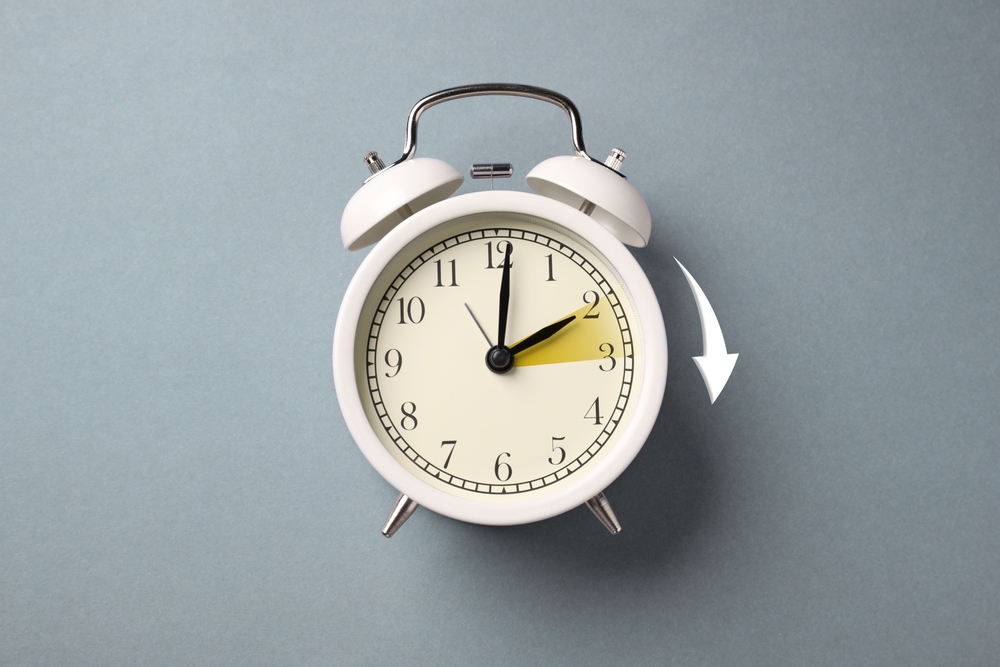
Losing an hour of sleep with the switch to daylight saving time is associated with measurable effects on public health, including an increase in acute myocardial infarctions, road accidents, and workplace injuries. Evidence supporting this comes from numerous epidemiological studies that analyzed the days immediately following the forward shift of the clock, scheduled this year in the night between Sunday, March 28 and Monday, March 29.
Effects of the Daylight Saving Time switch on cardiovascular risk and safety
In particular, the study Daylight Saving Time and Myocardial Infarction, published in the Journal of the American College of Cardiology, highlighted an increase of about 3–4% in cases of acute myocardial infarction (AMI) requiring percutaneous coronary intervention (PCI) on the Monday following the spring clock change. Similarly, the study Changing to Daylight Saving Time Cuts Into Sleep and Increases Workplace Injuries, reported in the Journal of Applied Psychology, documents an average 5–6% rise in workplace injuries in the immediate days after, with events generally more severe. Additional evidence, such as findings from The Impact of Daylight Saving Time on Sleep and Circadian Rhythms, also points to a rise in road accidents, linked to reduced attention and sleep deprivation.
The underlying mechanism behind these phenomena appears to be predominantly the acute sleep loss, which triggers higher levels of stress hormones, greater activation of the sympathetic nervous system, and alterations in several metabolic processes.
«Our body is regulated by circadian rhythms that are very precisely timed, mainly synchronized by natural light – explains Cristina Tomasi, human metabolist and physician specializing in internal medicine and angiologia – With the switch to daylight saving time we suddenly wake up when, according to our biological clock, it would still be an hour earlier: this creates a form of social jet lag that can disrupt sleep, metabolism, and the cardiovascular system.»
Even a short circadian variation can produce clinically detectable effects: reduced sleep quality, increased daytime sleepiness, decreased concentration, and transient disturbances in metabolic balance.
«Our body does not follow the social clock, but the biological one – continues Tomasi – Even a one-hour shift can create a small jet lag that impacts sleep, metabolism, and the heart. Preparing for the time change means protecting your health.»
Practical guidance for managing the clock change in patients
Some practical tips, as suggested by Cristina Tomasi, can ease adaptation and reduce the clinical impact:
- Gradually advance sleep: in the 3–4 days before the clock change, it helps to go to bed 15–20 minutes earlier each evening.
- Get outdoor morning light: morning light is the primary synchronizer of the biological clock. Getting outside within the first hour after waking helps stabilize the circadian rhythm.
- Cut back on caffeine and stimulants in the afternoon: avoid coffee and stimulant drinks after midafternoon to help with sleep onset.
- Limit artificial light in the evening: bright screens and strong lighting in the evening can interfere with melatonin production.
- Maintain regular sleep and meal schedules: daily consistency helps the brain and metabolism stay synchronized with the biological rhythms.
Abbonati a Karla Miller