
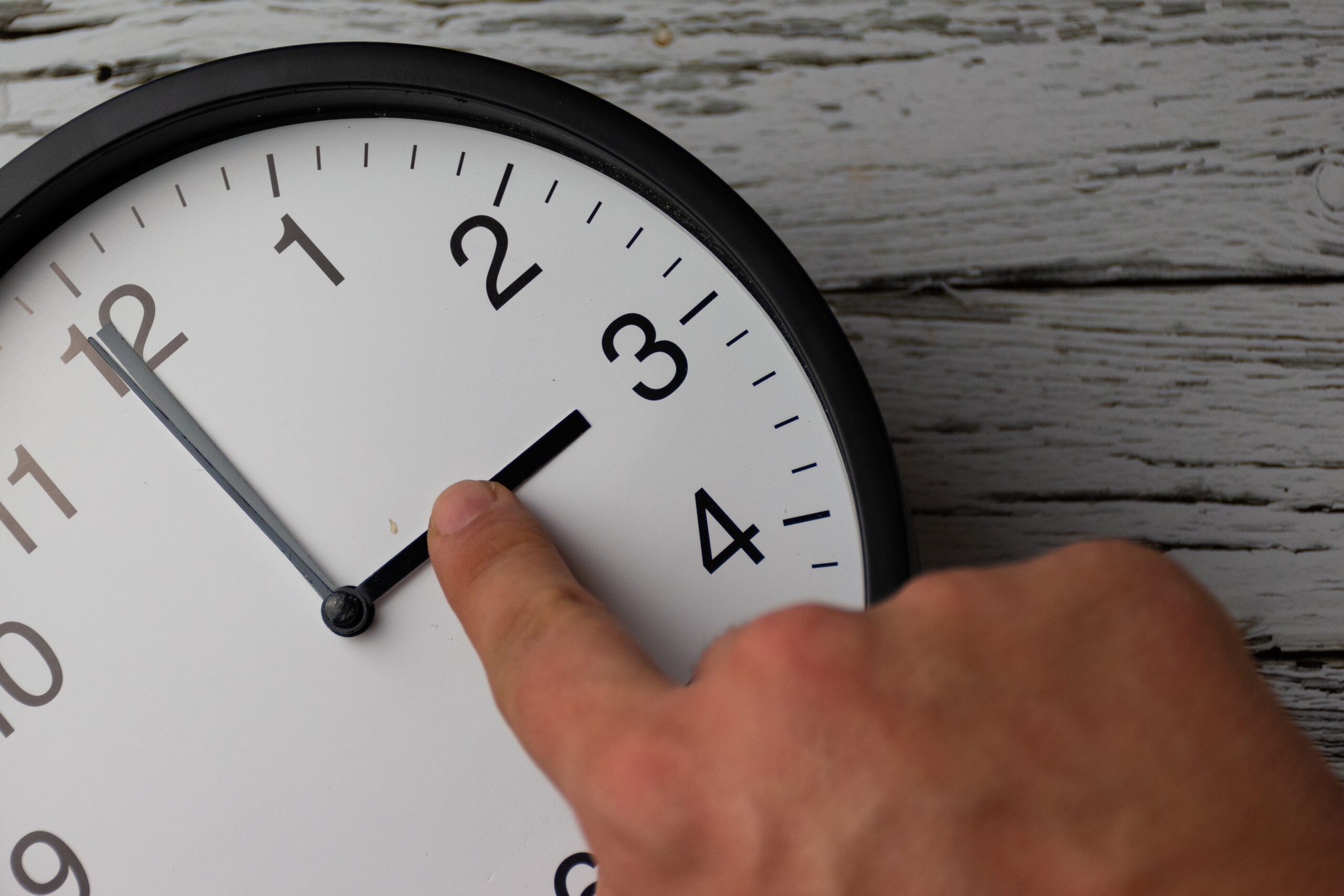
Turning to standard time represents a natural model of circadian adaptation. Although its impact on the body is generally modest and transient, this seasonal adjustment offers a chance to reflect on growing evidence that sleep is one of the main determinants of health across the entire lifespan. Sleep quality, duration, and regularity influence cardiovascular, metabolic, immune, and cognitive functions, highlighting them as key factors in healthy aging and longevity. Reduced light exposure during autumn and winter can also promote mood changes and phenomena such as Seasonal Affective Disorder, underscoring the tight link between circadian rhythms, mental well‑being, and overall health. We spoke with several experts about it.
The Rhythms of Sleep
Sleep is governed by a homeostatic factor and a circadian factor. “The first,” explains Luigi De Gennaro, professor at the Faculty of Medicine and Psychology of Sapienza University of Rome and vice president of the Italian Academy of Sleep Medicine (AIMS) – translates into a tight relationship between the number of hours awake and the increase in sleep pressure, proportional to the time one stays awake. The circadian factor determines and regulates sleep need at certain moments that are maximized and others minimized over the 24 hours. These two “rhythmic” factors help us understand the logic and consequences of daylight saving time changes on the body and mental health. In the spring transition, the circadian disturbance, specifically of the homeostatic component, manifests as a loss of one hour of sleep, a consequence of what is scientifically defined as a phase advance, with one hour less sleep in the homeostatic component and one extra hour of wakefulness. In autumn, conversely, there is a homeostatic gain, thanks to the recovery of that lost hour of sleep in the spring. In this second case, scientifically, there is a phase delay. In both seasonal transitions, therefore, there is a circadian alteration, albeit in opposite directions.”
The most common and widespread circadian disruption occurs during international flights, long-haul trips that cross multiple time zones, where jet lag and the magnitude of sleep disturbances experienced on arrival depend on the direction of travel. In fact, circadian disruption has more substantial negative consequences when traveling eastward, due to a phase advance. The circadian rhythms (circa diem) are regulated, as noted, around 24 hours, but under controlled conditions they tend to run longer, moving toward 25 hours. “This means that when the circadian schedule is altered by about 24 hours,” the Professor continues, “the phase delay is better tolerated, which also explains why flying westward results in less jet lag and why in autumn, when the homeostatic component is not affected, with perhaps a gain of one hour of sleep, the circadian disruption has more limited consequences on the body in general, compared with spring. So, essentially, the autumn transition is better tolerated and quicker for a person to recover from.”
The Autumn Time Change
Chronotype (owl, night owl, or lark, early riser), gender, and different life stages are, from literature, largely without substantial differences in impact and systematic variations during the autumn shift. By contrast, during the spring transition these three variables markedly influence sleep disturbances and/or physical and mental health.
“A meta-analysis from a few years ago—clarifies De Gennaro—on large numbers, roughly 115,000 people, examined one of the many health aspects related to daylight saving time, the risk of myocardial infarction studied in both the autumn and spring transitions, but also in the week before and after the clock change. The overall analyses, across all the studies considered, show a positive association between daylight saving time change and an increased risk of heart attack, by about 5%. So, a significant effect, but not exceedingly large in magnitude. However, when the meta-analysis investigates how the risk increase differs between the spring and autumn transitions, in the spring there is a notable risk increase, quantified at around 3%, a risk that, in most studies, is not observed in autumn, with no substantial effects on sleep characteristics and mental health, regardless of chronotype, gender, or age.”
There are, however, several factors to consider: epidemiological studies, typically involving large samples, do not demonstrate a macroscopically large autumn effect (a positive point); on the other hand, many covarying factors in these studies could modulate the data in some way. For instance, the latitude where the studies were conducted, as moving toward the far north or south changes daylight exposure hours. Light exposure is a crucial factor in circadian regulation mechanisms that relate to melatonin secretion, vitamin D availability, and more. Moreover, when comparing the spring model with the autumn model, another covarying factor—though to a lesser extent—is the annual hours of daylight exposure. It is difficult, if not impossible, for a study to dissociate potentially additive factors from those truly driving sleep disturbances induced by daylight saving time, whether spring or autumn. Therefore, many questions remain open to discussion and future research.
Seasonal Blues in Autumn and Winter
Seasonal Affective Disorder (SAD) is a form of transient depression that is characterized by its periodic nature and association with the two seasonal phases, representing almost an exception to what has been described so far due to its seasonal prevalence. “The most common and frequent form of SAD is the winter type, with the summer type being much less relevant. SAD is governed by circadian disruptions as well; in winter there is a phase advance and in spring a phase delay, with a greater impact in the transition to the colder season than in the summer where effects are milder. The preferred treatment for SAD is phototherapy (bright light exposure), an empirically supported approach with good response and well-documented clinical data. Additionally, there are emerging indications about the etiological factors underlying the phenomenon, not yet fully clarified. Typically, SAD results from the interaction of multiple factors: genetic factors, as shown by several studies, factors related to chronotype, demonstrated by other studies. At present, the certain data is the role played by reduced light exposure during winter months, which directly leads to higher melatonin secretion when it is dark and lower levels of serotonin transporters. Thus, SAD, which affects predisposed individuals, seems to involve substantial circadian disruption, though this cannot be stated with absolute certainty at present. Light acts as a resynchronizing mechanism of circadian rhythms, capable of correcting underlying disruptions related to the condition.”
Given the greater predisposition to a broad spectrum of depressive disorders, women are at higher risk for developing SAD, experiencing greater effects and consequences, suggesting that the problem may involve a potential interaction with hormonal secretion patterns, relevant to other major psychiatric conditions such as anxiety disorders, depression, and insomnia.
A Condition Not to Be Underestimated
“SAD,” adds Roberto Manfredini, professor of Internal Medicine at the University of Ferrara and director of the Complex Operating Unit of Clinical Medicine at the Sant’Anna University Hospital in Ferrara, “is an important example of how environmental and biological factors can influence mental health. Its origin is linked to an alteration of internal biological rhythms, often described as a misalignment of the biological clock that leads to specific ‘reactions.’ A drop in mood, reduced energy, increased apathy, decreased sexual desire, and greater appetite and craving for comforting foods like sweets and chocolate, driven by the body’s need to manufacture serotonin to compensate for the drop caused by darkness. Yet the psycho‑emotional well‑being induced by these foods is undermined by a series of side effects: primarily weight gain that, as spring arrives and nicer weather comes, triggers a kind of depression related to perceptions of deteriorating body image. This makes clear that SAD is not a condition to be trivialized, but one to be addressed with expert help. In addition to phototherapy, which remains the primary approach, one can turn to psychotherapy—specifically cognitive‑behavioral therapy (CBT)—to antidepressant medications such as SSRIs (Selective Serotonin Reuptake Inhibitors), under medical prescription, and, finally, an integrated correction of lifestyle. Emphasizing outdoor physical activity to take advantage of natural light exposure.”
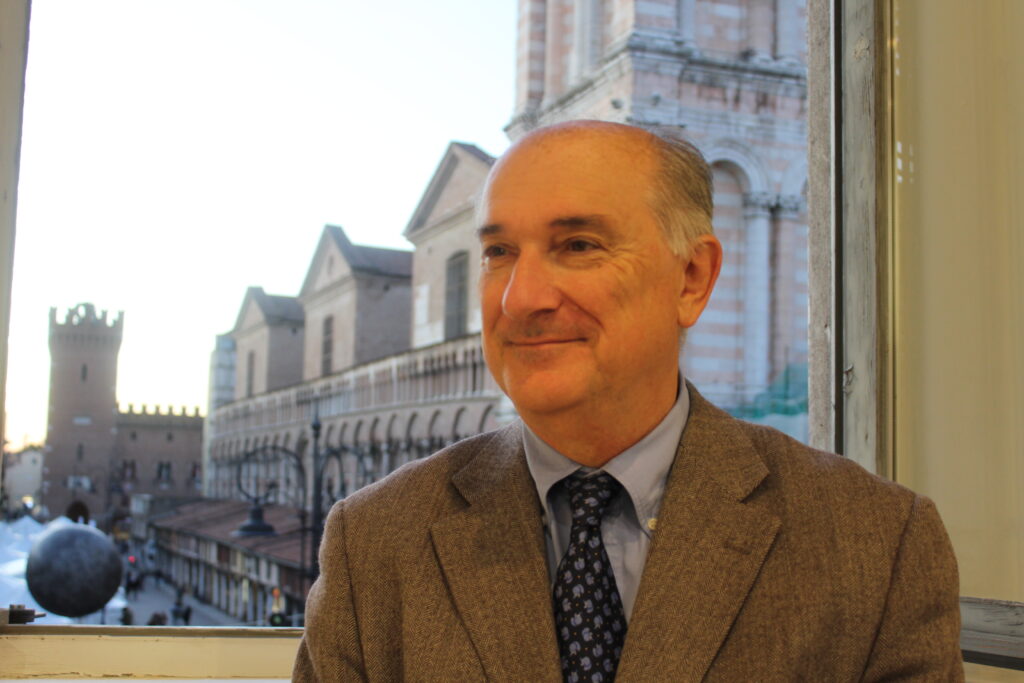
The optimum is a morning walk of at least 20–30 minutes, with effects that will be felt not only on the body and psyche but also on the following night’s sleep, improving its quality and quantity. “Physical activity,” Manfredini concludes, “is one of the most effective nonpharmacologic tools to support body function, with a strongly positive impact on several aspects: countering sedentary behavior, increasing endorphin production, neurotransmitters known as the ‘happiness hormones,’ benefiting mood and pain as natural analgesics. Diet, in synergy with physical activity, can provide meaningful support; a balanced diet helps maintain a healthy gut microbiota, reducing the risk of significant and chronic inflammatory processes that, according to the latest literature, can be associated with mood disorders. The strong link between sleep disorders and mood disorders—including SAD—emerges, operating in a bidirectional loop that can feed and amplify one another, with effects on metabolism, the cardiovascular system, and more. The role of sleep is crucial, a point highlighted in 2024 by the American Heart Association among Life’s Essential 8—the eight factors for protecting the heart and lengthening life: not smoking, eating a healthy diet, maintaining a healthy BMI, keeping blood pressure in the normal range, controlling cholesterol and glucose (diabetes).”
Article excerpt from the November 2026 issue of Karla Miller
In the second part: the link between sleep and longevity
References
Borisenkov MF, Tserne TA, Panev AS, et al. Seven-year survey of sleep timing in Russian children and adolescents: chronic 1-h forward transition of social clock is associated with increased social jetlag and winter pattern of mood seasonality. Biol Rhythm Res 2017; 48: 3-12
Romigi A, Franco V, Scoditti E, et al. The effects of daylight saving time and clock time transitions on sleep and sleepiness: a systematic review. Sleep Med Rev, 2025, 84: 102161
Cappuccio FP, et al. (2017). Relationship of Sleep Duration With All-Cause Mortality and Cardiovascular Events: A Systematic Review and Dose-Response Meta-Analysis of Prospective Cohort Studies. Journal of the American Heart Association. (PubMed Central (PMC))
Irwin MR, Olmstead R, Carroll JE. Sleep Disturbance, Sleep Duration, and Inflammation: A Systematic Review and Meta-Analysis of Cohort Studies and Experimental Sleep Deprivation. Biol Psychiatry. 2016;80(1):40-52.
Ballesio A, Fiori V, Lombardo C. (2026). Effects of Experimental Sleep Deprivation on Peripheral Inflammation: An Updated Meta-Analysis of Human Studies. Journal of Sleep Research, 35, e70099.
St-Onge MP, et al. (2019). Effects of sleep restriction on metabolism-related parameters in healthy adults: A comprehensive review and meta-analysis of randomized controlled trials. Sleep Medicine Reviews.
Donga E, et al./Sleep Medicine Reviews meta-analysis (2022). Effects of sleep manipulation on markers of insulin sensitivity. Sleep Medicine Reviews, 62, 101594.
Bubu OM, et al. (2020). Sleep, cognitive impairment, and Alzheimer’s disease: A systematic review and meta-analysis. Sleep Medicine Reviews.
Cribb L, Sha R, Yiallourou S, et al. Sleep regularity and mortality: a prospective analysis in the UK Biobank. Elife. 2023;12:RP88359.
Saksvik IB, Bjorvatn B, Hetland H, Sandal GM, Pallesen S. Individual differences in tolerance to shift work—a systematic review. Sleep Med Rev. 2011;15(4):221-235.
Ritonja J, Aronson KJ, Matthews RW, Boivin DB, Kantermann T. Working Time Society consensus statements: Individual differences in shift work tolerance and recommendations for research and practice. Ind Health. 2019;57(2):201-212.
Casale CE, Goel N. Genetic Markers of Differential Vulnerability to Sleep Loss in Adults. Genes. 2021; 12(9):1317.
Manfredini R, Fabbian F, Cappadona R et al. Daylight Saving Time and Acute Myocardial Infarction: A Meta-Analysis. J Clin Med. 2019 Mar 23;8(3):404.

Abbonati a Karla Miller