
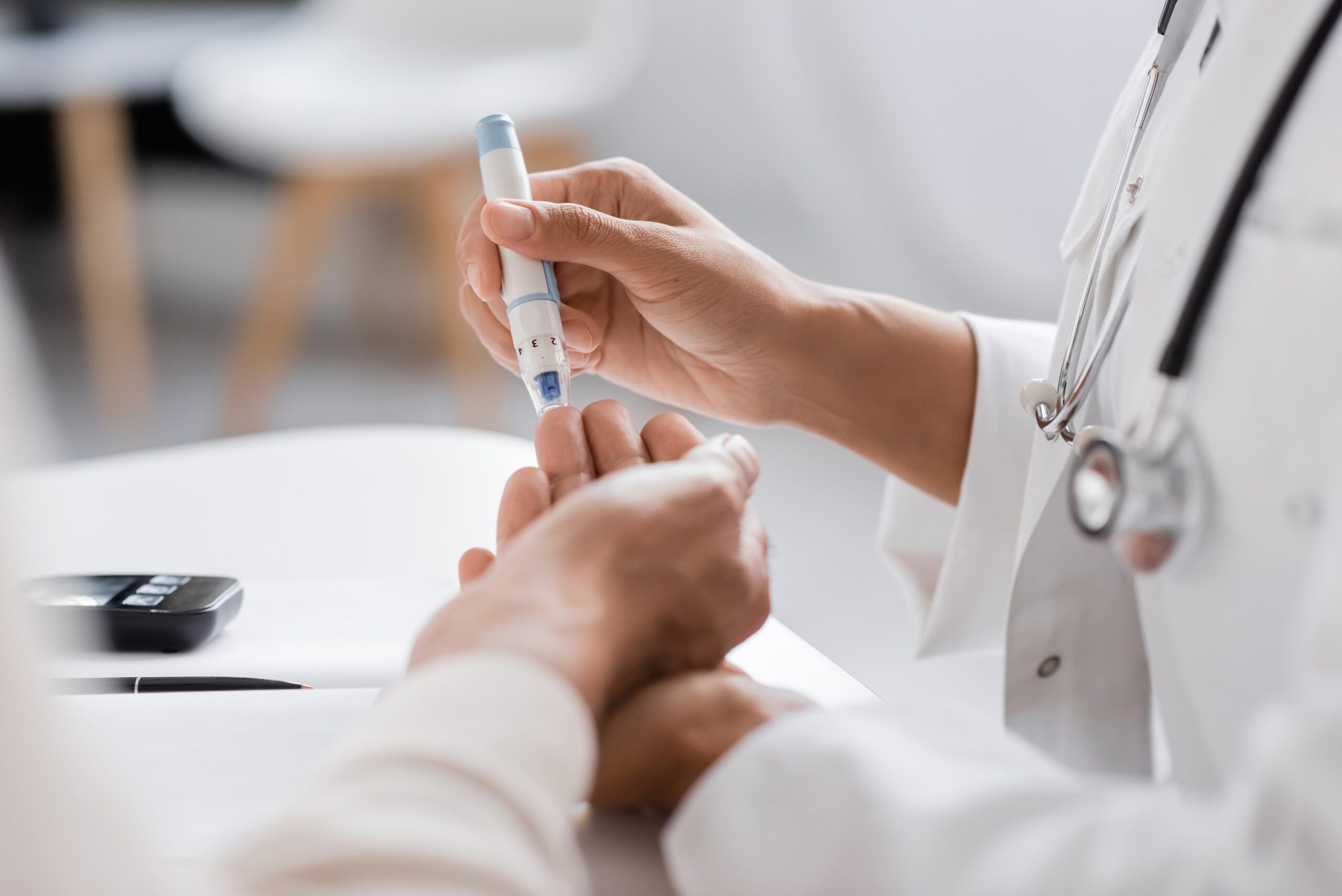
No longer an isolated condition, diabetes is increasingly linked with other comorbidities. For example, the strong link with obesity, viewed as a disease within a disease, complicates patient management and treatment, markedly increasing risk factors, particularly cardiometabolic ones.
A clinically, socially and care-delivery relevant topic to draw attention to on the World Diabetes Day on November 14. Central to managing the diabetes–obesity relationship is the General Practitioner (GP).
The Cardiometabolic Continuum
The risk of developing type 2 diabetes, which is more typical of adulthood or older age (usually after 30–40), increases progressively with rising BMI (body mass index), and the possible co-presence of other cardiometabolic conditions such as hypertension, dyslipidemia, and obesity/overweight is not excluded. When diabetes and obesity occur together, the risk profile for heart failure, the prevalence of chronic kidney disease, and the overall cardiometabolic status worsen. The latest clinical guidelines view obesity and diabetes as tightly interconnected conditions to be managed in an integrated way, defining a cardiometabolic continuum.
Excess adiposity promotes insulin resistance, adipose tissue dysfunction, chronic low-grade inflammation, and alterations in glucose-lipid metabolism. These factors can progress from an initial prediabetes state to type 2 diabetes and, subsequently, toward cardiovascular and renal complications.
Long-Term Therapies
Given this strong relationship, the therapeutic target cannot be limited to normalizing glycemic control. Managing a patient with obesity and diabetes requires a global assessment of cardiometabolic risk, including glycemic status, blood pressure, lipid profile, kidney function, hepatic steatosis, obstructive sleep apnea (OSA), mental health, and quality of life.
Screening and selection can be effectively carried out by the GP in the clinic with tests and prescriptions for specific exams. The care model must therefore be early, personalized, and sustained over time. Lifestyle changes, including nutrition, physical activity, sleep hygiene, and behavioral support, remain the foundation of treatment, but when indicated should be integrated with obesity medications, glucose-lowering therapies with cardio-renal benefits, and, in selected cases, metabolic or bariatric procedures.
Screening of At-Risk Patients
A practical, readily applicable criterion in the clinic is screening adults aged 35–70 who are overweight or obese using fasting glucose, HbA1c (glycated hemoglobin) or an oral glucose tolerance test.
The goal is to anticipate or intensify monitoring in patients who already carry higher risk: those with a family history of type 2 diabetes, women with prior gestational diabetes or fetal macrosomia, polycystic ovary syndrome, hypertension, dyslipidemia or established cardiovascular disease, hepatic steatosis, obstructive sleep apnea (OSA) or signs of insulin resistance, and also belonging to ethnic or regional groups with higher diabetes prevalence, for example people from Pakistan, the Middle East, North Africa, Native Americans and Asian Americans, and several other geographic contexts.
The Role of Proactive Medicine
In primary care, obesity and diabetes risk often intersect before symptoms appear. For this reason, proactive medicine represents a decisive opportunity: early detection of overweight, central adiposity, and glycemic alterations enables a prevention pathway before the onset of type 2 diabetes and its cardiovascular and renal complications.
The recommendation for GPs is to open a timely dialogue: don’t wait for high blood glucose to discuss prevention—the best moment to intervene is when risk is already visible but disease has not yet left signs. It is necessary to shift the focus from late diagnosis to the window of opportunity: prediabetes.
The evidence indicates that intensive behavioral interventions in populations with prediabetes and overweight/obesity reduce progression to type 2 diabetes, thereby lowering social and healthcare costs within a sustainable system and improving the patient’s quality of life.
Subscribe to Integrative Medicine