
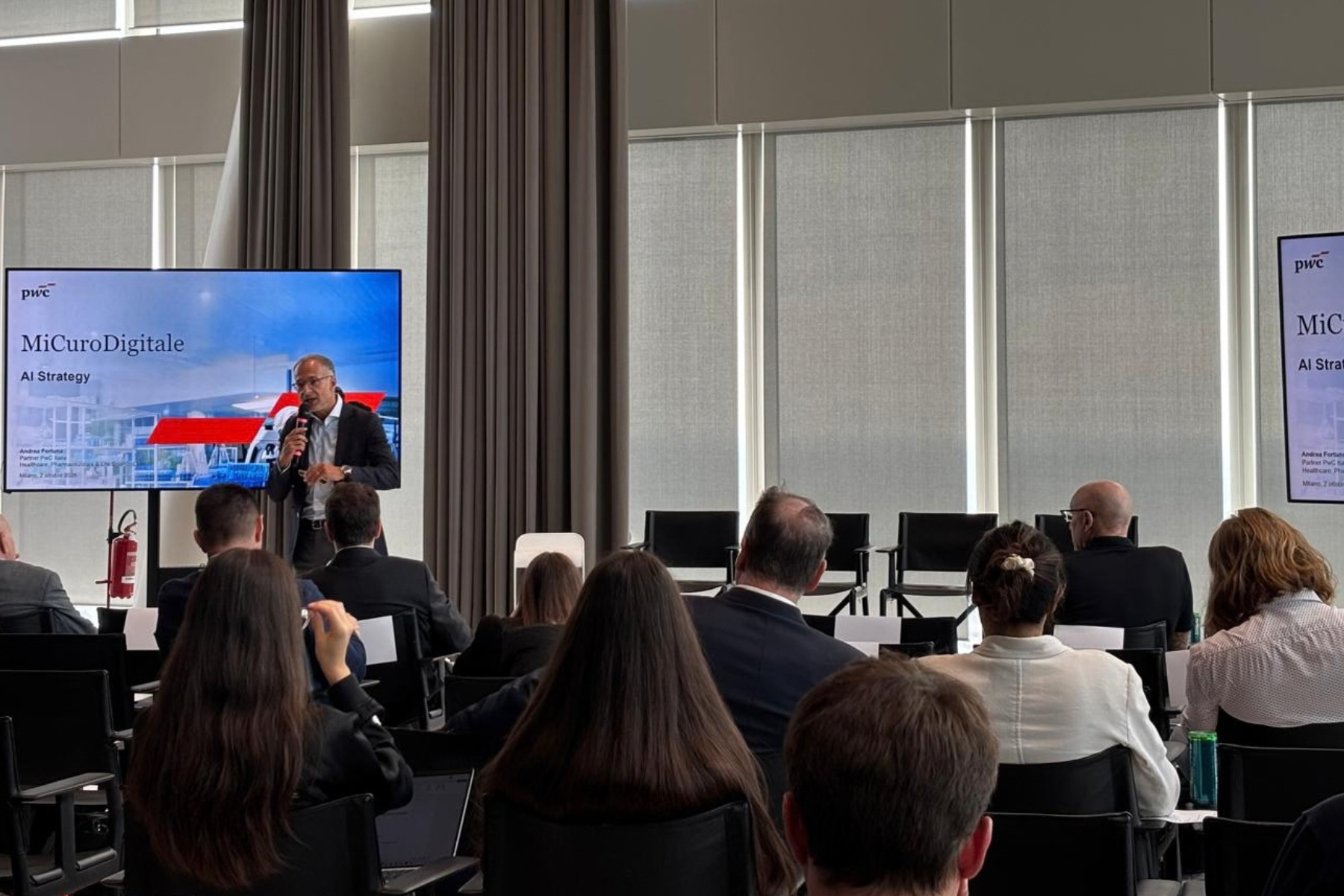
The digital transformation of healthcare, which today includes artificial intelligence, involves all health professionals. It certainly brings changes to the profession. Yet those who have learned to welcome them say they have improved the quality of their work. These topics were at the heart of the fourth edition of MiCuroDigitale, titled “AI & Health. Two Perspectives, One Ecosystem: Healthcare and Pharmacy.”
The event, organized by BOS, took place on October 2, 2026 in Milan, at the PwC Tower, bringing together several leaders from the healthcare and pharmaceutical worlds. “The digital health landscape offers the capacity to integrate data and expertise to improve the effectiveness of care, make services more accessible, and build a system closer to the needs of citizens,” opened the proceedings by Francesca Ferilli, CEO of BOS.
The main advantages of using new technologies, therefore, are ultimately for the health of the citizen. But the healthcare workers themselves—from general practitioners to specialists and pharmacists—can also reap several benefits, reducing their workload and improving their professional capabilities. “36% of citizens use AI tools to search for health information and therapies and more than 60% of physicians have already experimented with generative AI. It’s not just about technology tools,” Ferilli explained, “but about enablers of a new, more integrated and effective healthcare model, where value is created by people—the professionals, the pharmacists, and the citizens themselves.” In other words, technologies do not replace the human being; they merely relieve clinicians from repetitive, standardized tasks that take time away from the patient relationship.
Electronic Health Records and Telemedicine
Among the digital tools available in the healthcare sector, the electronic health record has made a substantial contribution to collecting, storing, and sharing patient data. It is currently used by about 63% of specialists. Along with the electronic medical file and dematerialized prescriptions, it is certainly one of the instruments that has had the greatest impact on the digital transformation of medical practice. But clinicians today have many other technologies at their disposal, enabling services such as telemedicine, now used by 29% of professionals. In recent years there has been much discussion about potential AI applications. According to Francesco Sicurello, president of IITM (International Institute of Telemedicine), “AI, like digitization, can best support the clinical team in shortening the time between diagnosis and therapy so that the patient can receive the best possible care. Let us not forget that we are moving toward increasingly personalized medicine, and in my view AI and digital systems can bring more benefits than risks in this field. AI systems are far more precise and accurate than humans at collecting multimedia data. So let’s not be afraid of these new technologies.”
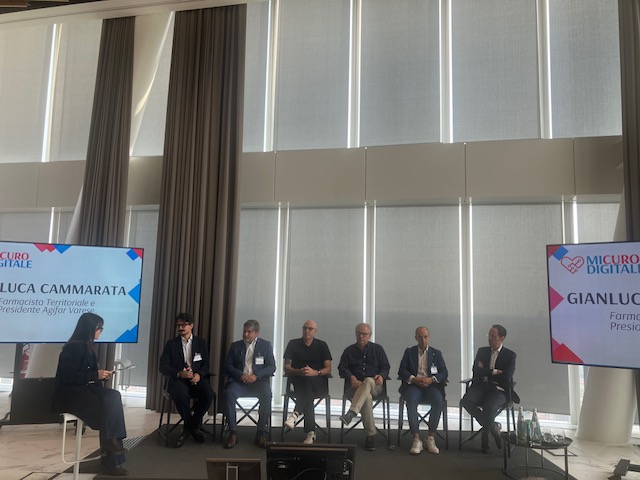
The Data in Continuity of Care
The experience at ASST Brianza, as described by Paolo Colombo, director of IT systems, demonstrates the strong interest among doctors in the use of algorithms and artificial intelligence. “After an initial phase of skepticism, our clinicians are increasingly asking us to develop algorithms in various areas: from radiology (to detect microfractures and to perform mammography) to endoscopy (in identifying polyps and colorectal lesions).”
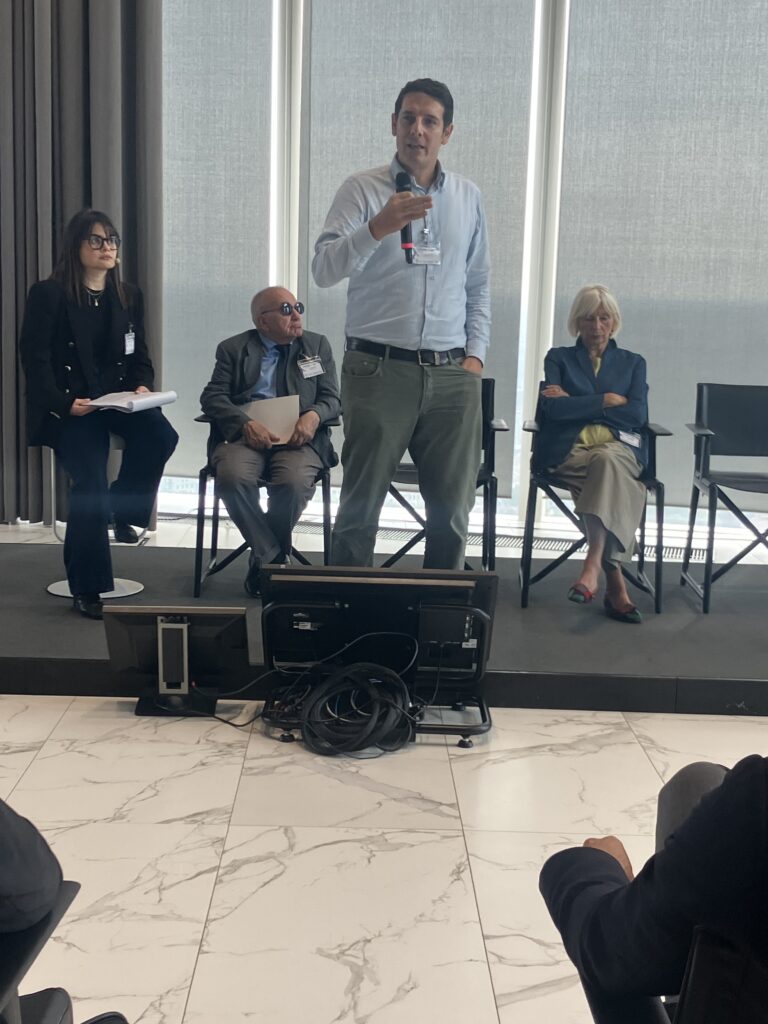
However, patient data and information must be shareable and interoperable, from hospital to the point of care, as emphasized by Marisa De Rosa, digital health expert with ASSD (Associazione Scientifica per la Sanità Digitale). “From hospital to territory there must be a single care network. Patient data must therefore be accessible to caregivers, general practitioners, and specialists. Interoperability and usability must be guaranteed by the systems. Only then can tools like AI be useful to the physician, the patient, and even research. Data must circulate, be visible, exchangeable, interoperable.”
The Human Value
The fear that machines could replace humans remains one of the major concerns surrounding artificial intelligence. “We can delegate various tasks to machines, but the final responsibility and control remain in our hands,” observed Mauro Lupi, Head of Consulting at Search On Media Group and Adjunct Professor of the course “Artificial Intelligence: Business and Society” at IULM University in Milan. “Machines can do many things more accurately than we can, but we are not in competition with machines; we are two different things. It is up to every professional to add value through expertise and experience, but also through relational skills and contextual understanding—qualities that AI cannot possess. And we must bring together all the human values that are typically unique to people.”
Abbonati a Karla Miller