
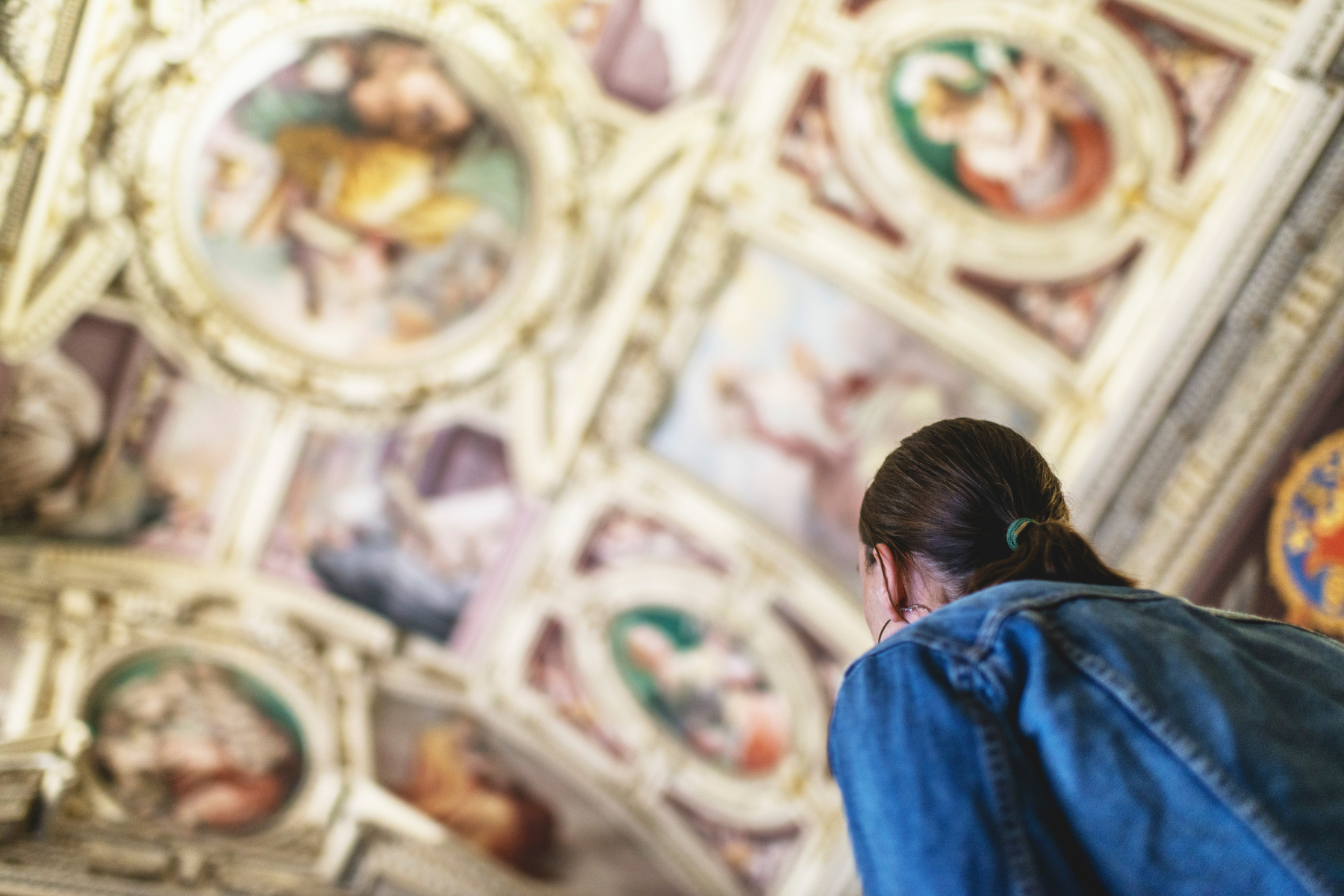
And what if, alongside a traditional medication, a museum visit were also prescribed? Several studies have already shown that cultural and intellectual engagement can trigger a biological mechanism that slows aging by reducing stress, lowering inflammation, and mitigating the risk of cardiovascular disease—just as if it were physical exercise.
The topic was well highlighted during the panel Investing in Cultural Capital: Creating Long-Term Value per One Health organized as part of the Milan Longevity Summit held from May 20 to 23 at the Allianz MiCo in Milan, but there is already substantial scientific evidence. A 2019 meta-analysis by the World Health Organization (WHO) collected over 3,000 studies highlighting the fundamental role of culture and the arts in disease prevention, health promotion, and the management and treatment of illnesses across all stages of life.
A further strong confirmation comes from a very recent study by University College London published in Innovation in Aging. The research team analyzed data gathered through surveys and blood tests from 3,556 adults in the United Kingdom and, using seven epigenetic clocks—tests that examine age-related DNA changes—found that people who engaged more frequently in artistic and cultural activities appeared to age more slowly. More precisely, those who participated in artistic activity at least once a week seemed to age 4% more slowly than those who did so less often.
The Social Prescribing
From the above scientific evidence, the concept of social prescribing emerged—a “method”—as the WHO explains—to connect patients with a range of non-clinical services in the community to improve their health and well-being.
In concrete terms, primary care physicians can advise certain patients to engage in activities that are not strictly clinical, such as art classes, museum visits, music groups, theater, gardening, or nature-based activities, to improve mental health, well-being, and, in general, quality of life.
In the United Kingdom, some models of social prescribing are funded by the National Health Service and available to everyone, though, as has been seen, they are particularly useful for the most vulnerable social groups prone to isolation.
The results appear encouraging because, according to a 2019 report by the British Red Cross on social loneliness, the social prescribing service has produced meaningful improvements in well-being among people under 60. Likewise, researchers at the University of Manchester, drawing on surveys of primary care patients conducted between 2018 and 2023, found statistically significant improvements in well-being and, therefore, a social return on investment from the government.
Culture, Social Life and Exposure to Beauty
Art, architecture, as well as events and participation. It is now well known that having an active social life is an antidote to aging, and Luca Tesauro, Chief Executive Officer of the Giffoni Innovation Hub, during the Milan panel highlighted the links between culture, curiosity, and sharing. “Being together,” he explained, “and physical interaction are somewhat disappearing, yet overcoming isolation and taking part in live events can significantly improve the quality of life.”
But culture also comes from the experience of “beauty,” understood as architectural aesthetics. As Nicola Palmarini, director of the UK National Innovation Centre for Ageing, emphasized at the same event, “there are tangible dimensions related to living longer, but we rarely talk about the invisible ones—the beauty that surrounds us. Renovating and improving gathering places can be an incentive to participate in social life, a key factor in achieving longevity.”
A Dose of Culture?
Like medicines, culture-driven activities aimed at well-being and longevity, to be prescribed, require a dosage measured in precise numbers.
Thanks to a research group at the University of Milan, it is now possible to measure—through epigenetic tests—the effect of cultural “exposures” on the acceleration of cellular change and biological aging. Under the guidance of Professor Valentina Bollati, an expert in environmental epigenetics and aging, the researchers are focusing on understanding the mechanisms that determine susceptibility to environmental factors potentially linked to disease. Running outdoors, dancing with others, going to the cinema, or attending a concert can therefore have measurable consequences that clinicians can rely on during medical visits and prescriptions.
The Turin Experiment
The practical aspect remains. Many social and cultural activities carry a cost that, in Italy, would be borne by the patient, who may not always be able to afford it. In Turin, however, a major experiment is underway.
The Compagnia di San Paolo Foundation, one of Italy’s largest philanthropic foundations, has invested heavily in the culture-health link through programs like Well Impact and has decided to financially support projects where cultural activities prescribed by doctors or health practitioners are offered to patients free of charge, or nearly so. In a country where culture is not yet fully integrated into the health budget, initiatives like this can go a long way toward promoting longevity.
Abbonati a Karla Miller