
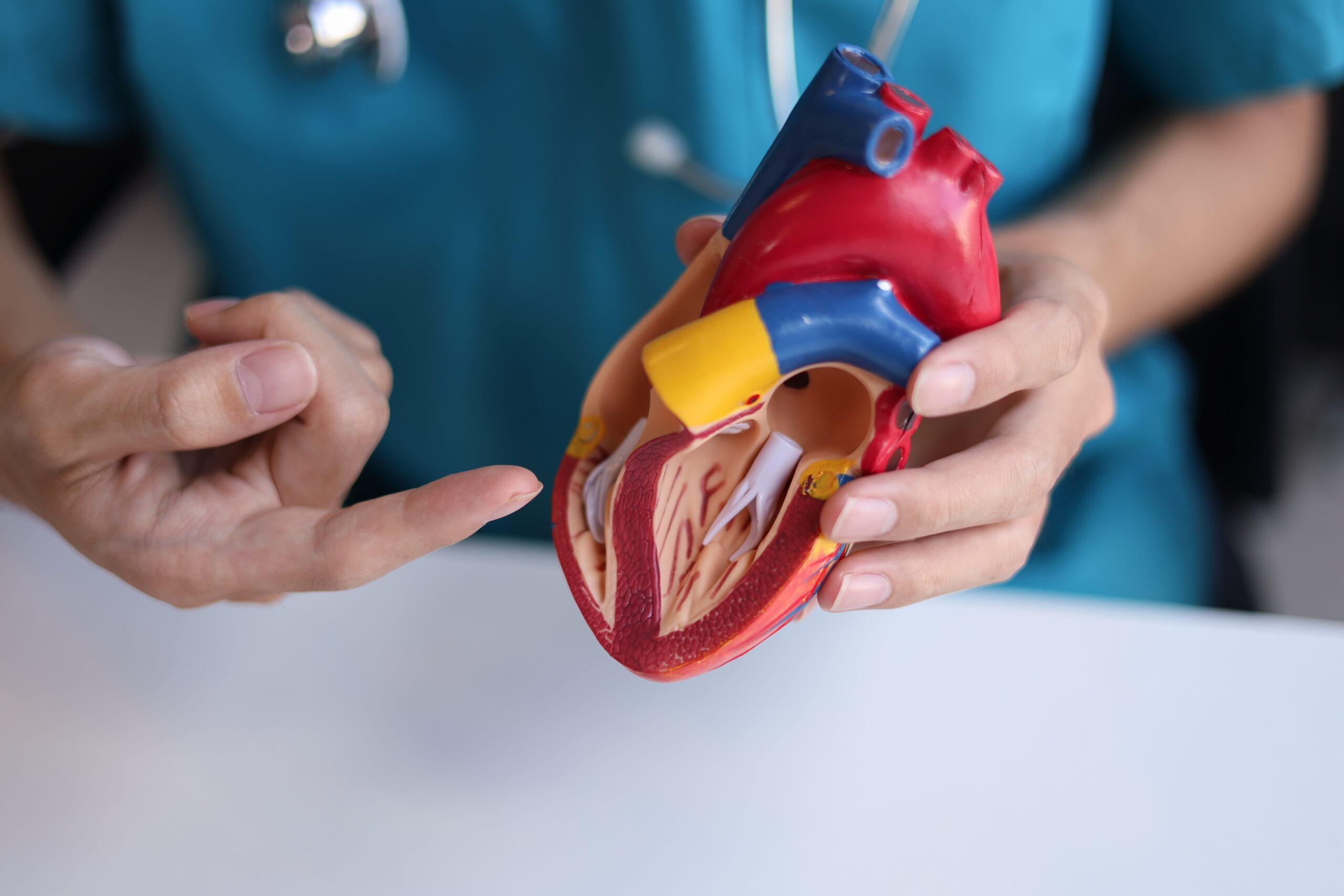
Every year, cardiovascular and cerebrovascular diseases claim more than 18.6 million lives worldwide, and in Italy alone about 127,000 women and 98,000 men — totaling over 220,000 people — die from heart attack, heart failure, and stroke.
On World Heart Day, today September 29, the Italian Foundation for the Heart (Fondazione Italiana per il Cuore ETS, FIPC) reiterates the four strategic pillars for the future:
- Investment in life: prevention starting in school and a focus on vaccinations as a cardiovascular shield (primary and secondary prevention);
- Gender-informed prevention: cardiovascular prevention that accounts for the biological and socio-cultural specificities that influence cardiovascular risk;
- Invisible risks: a fight not only against conventional risk factors, but also against lesser-known ones such as air and noise pollution, exposure to microplastics, and social and socioeconomic stress;
- Empowered citizens: maximum commitment to health education with particular emphasis on therapy adherence, vaccinations, and healthy behaviors.
SIRT5, a Key Enzyme for Heart Health
The growing emphasis on aging as the principal risk factor for potentially deadly diseases, including cardiovascular conditions, has given a substantial push to longevity research. The heart muscle requires continuous, well-coordinated energy metabolism throughout life.
A recent study, published in GeroScience, explored the multifunctionality of the sirtuin 5 (SIRT5), its impact on cardiac function and its involvement as a therapeutic target in geroscience and in the pathogenesis of cardiovascular diseases, including heart failure, diabetic cardiomyopathy, cardiac hypertrophy, and ischemia-reperfusion injury.
The researchers reviewed evidence on the changes in SIRT5 expression during aging of the heart and blood vessels, illustrating its contribution to age-related cardiovascular decline and its intricate ties to aging processes already known. Finally, they discussed the potential of SIRT5 as a geroprotective intervention to mitigate age-associated cardiovascular diseases.
As a key regulator of mitochondrial metabolism and post-translational modifications (PTMs), SIRT5 plays a dual role in the pathophysiology of cardiovascular diseases. On one hand, its desuccinylase and demalonylase activities protect cardiomyocytes from oxidative stress, improve energy efficiency, and help counteract adverse cardiac remodeling. On the other hand, in certain contexts (for example, in post-stroke microglia or thrombogenic endothelial cells), excessive SIRT5 activity can worsen pathological processes.
These conflicting observations indicate that therapeutic modulation of SIRT5 requires a precise, tissue-specific approach. The full therapeutic potential of SIRT5 in cardiology currently requires a deeper understanding of its metabolic relationships and its complex interactions with other signaling pathways. SIRT5 is not simply a “metabolic switch,” but rather a sophisticated coordinator of cellular homeostasis, whose role must be considered in the context of a specific disease, its stage of development, and the organism’s overall metabolic state.
Future Prospects in Cardiovascular Health
The future of SIRT5 research in cardiovascular health should feature significant technological and conceptual advances. Single-cell and spatial multi-omics technologies could be used to delineate the cell-type–specific roles of SIRT5, illustrating how its metabolic and deacetylase functions vary across different cardiac cell populations, including cardiomyocytes, fibroblasts, endothelial cells, and immune cells.
As age-related declines in mitochondrial efficiency and redox balance underlie cardiovascular dysfunction, clarifying how SIRT5 modulates acylation patterns could provide useful insights for developing therapies aimed at countering metabolic inflexibility and cardiac fibrosis. Investigations should extend beyond cardiomyocytes to explore SIRT5’s influence in nonmyocytic cardiac cells, where it could regulate extracellular matrix remodeling, angiogenesis, and inflammatory signaling.
Additionally, new evidence suggests potential sex-dependent differences in SIRT5-mediated cardioprotection, underscoring the need for experimental designs that balance both sexes and incorporate integrated analyses of hormonal and metabolic axes. Quantifying circulating or myocardial SIRT5 as a biomarker could improve early detection of metabolic cardiac stress and help predict treatment efficacy. Progress in this area could be accelerated by collaborations that integrate systems biology, advanced imaging, and translational cardiology.
The integration of computational modeling with in vivo data and human-derived samples will be crucial to define how SIRT5 orchestrates cardiac homeostasis across the life span, ultimately enabling precision interventions for age-related heart disease.
QT Interval and Cardiac Longevity
Sudden death is a common condition, typically of cardiac origin. When death is cardiac in origin, it results from cardiac arrhythmias that include ventricular tachycardia, ventricular fibrillation, pulseless electrical activity, or asystole.
The QT interval on the electrocardiogram, a measure of cardiac repolarization, has been linked to fatal ventricular arrhythmias in hereditary conditions and in drug toxicity.
A review, published in the Journal of Cardiovascular Development and Disease, explored the hypothesis that the QT interval is an indicator or determinant of lifespan or longevity. Because the QT interval varies with heart rate, it is essential to use the best QT correction formula or the so-called QTc.
The data show that aging is associated with an increase in QT duration. Epidemiological studies have confirmed that a longer QT interval is linked to sudden cardiac death, while clinical studies have shown that non-cardiac conditions associated with prolonged QT have a higher incidence of cardiac mortality. Factors contributing to reduced longevity, such as deficiency of the anti-aging factor Klotho, are connected to QT prolongation. Experimental studies have reported that the action potential is longer in the hearts and cardiomyocytes of older mice, rats, and other aged species, and aged hearts are more susceptible to arrhythmias.
The age-related QTc prolongation results from a constellation of factors, including aging directly affecting currents and channels responsible for the action potential, as well as the impact of aging on brain-heart interactions.
Sources
1). Grzeczka A., Graczyk S. & Kordowitzki P. Unveiling the importance of SIRT5 for cardiac health and disease in an era of increasing longevity. GeroScience 48, 2101–2121 (2026). https://doi.org/10.1007/s11357-025-02021-w
2). Rabkin SW. Aging-Induced QT Prolongation as a Potential Contributor to Longevity. Journal of Cardiovascular Development and Disease. 2026; 13(2):86.
Abbonati a Karla Miller