
In a global context characterized by a progressive aging of the population, the topic of longevity also takes on increasing social and economic significance. The rise in life expectancy presents new challenges to healthcare systems, welfare models, and the organization of contemporary societies, making the focus on quality of life in advanced years ever more central.
In Italy, for instance, there are more than 23,000 centenarians, a figure that shows longevity is no longer an exception, but a growing reality. This shift raises new questions and demands new answers, affecting not only medicine but also the economy, jobs, relationships, and the very organization of communal life.
Against this backdrop, the second edition of the Vatican Longevity Summit, from May 25 to 26, 2026 in Rome, at the Pontifical Regina Apostolorum Athenaeum, will bring together more than 20 speakers, among the world’s leading researchers, clinicians, and experts from universities and research centers worldwide.
Program themes and speakers
Promoted by the International Institute of Neurobioethics (IINBE) in collaboration with Brain Circle Italy and under the patronage of the Pontifical Academy for Life, the Vatican Longevity Summit is organized around four major thematic areas:
- biology of aging,
- neuroscience,
- regenerative medicine,
- ethics.
One of the most timely topics to be addressed concerns the role of stress in daily life and in the aging process.
Alongside prevention, scientific research is exploring the possibility of directly intervening on the biological mechanisms of aging. Among the Summit’s speakers, Juan Carlos Izpisúa Belmonte, one of the world’s leading experts in cellular reprogramming, emphasizes that aging represents the principal risk factor for many chronic diseases.
«Aging is the primary risk factor for almost all diseases— says Belmonte —and intervening on its mechanisms means acting upstream, not just on the consequences.» The new research in regenerative medicine opens unprecedented scenarios: this is not about stopping time, but about restoring the function of cells and tissues, thereby improving the quality of life.
The Summit will also draw attention to models of extreme longevity, through the study of semi-supercentenarians and supercentenarians. According to Calogero Caruso, longevity is not the result of a single factor, but the product of a complex balance among genetics, environment, and the immune system. «Longevity is the result of a balance between genetics, lifestyle, and immune regulation», Caruso explains. “You don’t need a stronger organism, but an organism capable of adapting.”
One of the central segments of the Summit will be devoted to the brain and quality of life, featuring Matilde Leonardi, who will explain that the true challenge of longevity isn’t simply about adding years to life, but about improving the quality of the lived experience. “The real challenge is to extend the time lived in good health,” Leonardi states. – The brain is the center of autonomy, relationships, and identity: protecting it means protecting the person.
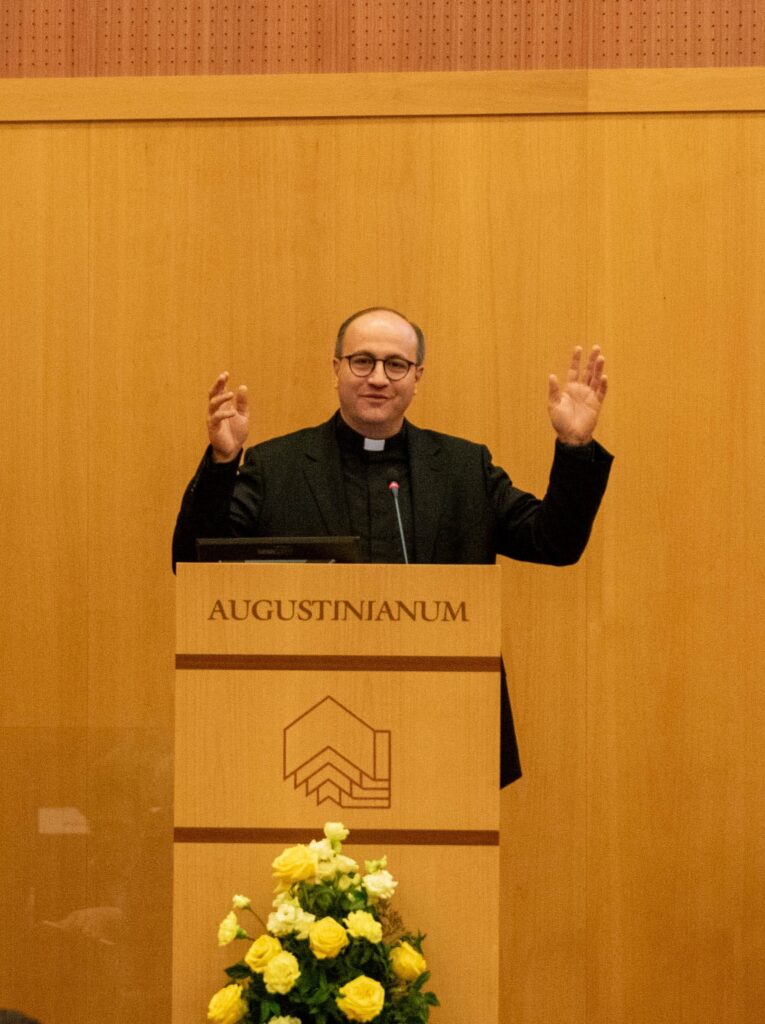
Bringing these perspectives together is the Summit’s global vision: “Longevity is not just a scientific challenge,” says Father Alberto Carrara, president of the International Institute of Neurobioethics and promoter of the Vatican Longevity Summit. “It is an ethical, cultural, and social matter. It’s not enough to live longer: we must ask ourselves how we want to live and what future we are building.”
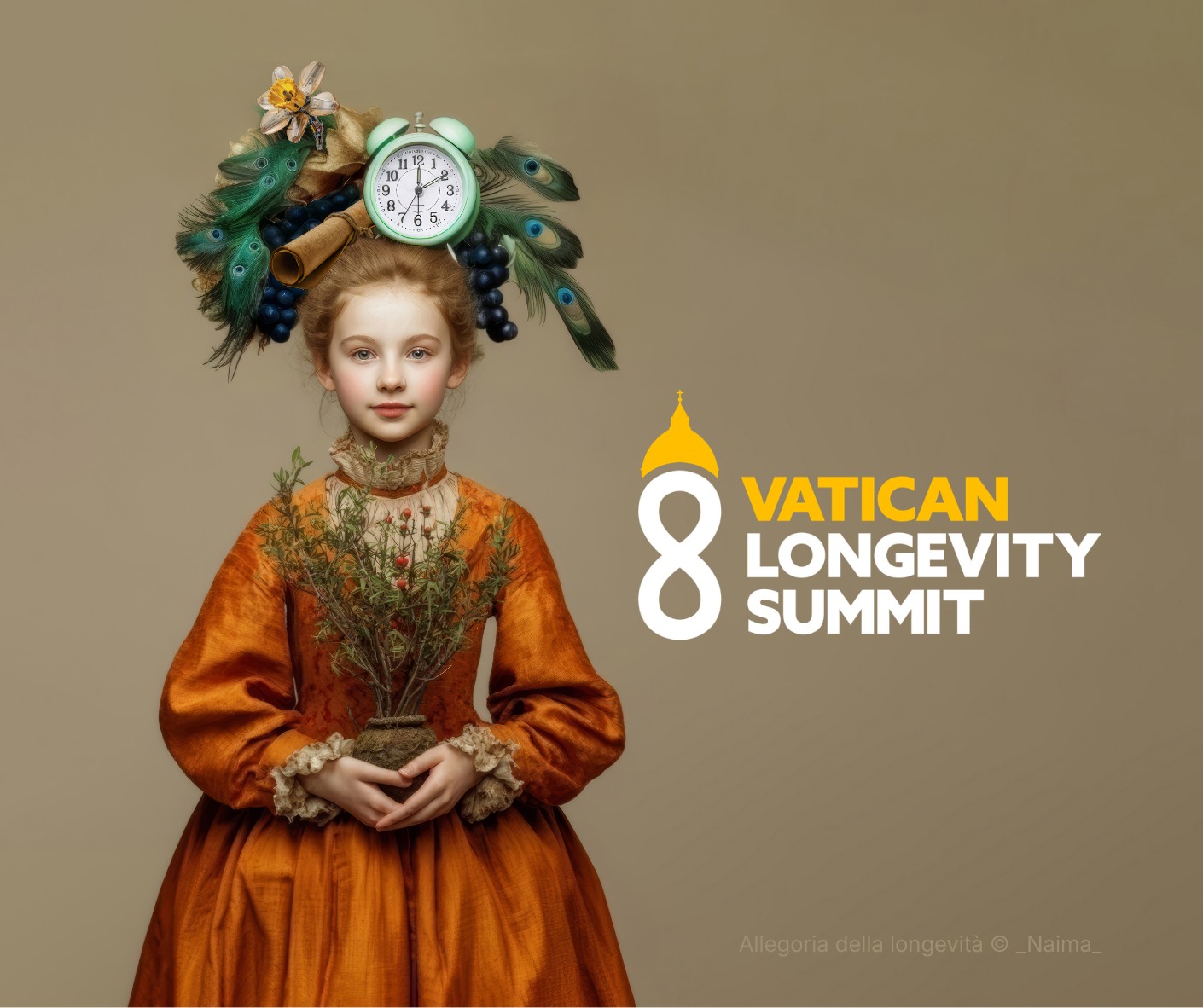
This vision is represented by the Allegory of Longevity, the symbolic emblem of the second edition, which places a girl at its center: a metaphor for the future, responsibility, and the necessity of safeguarding human time in its fullest sense. The historical attire and the numerous allusions to tradition, however, also suggest “the need to unite the power of science with the wisdom of ethics to reimagine, with responsibility and hope, the future of humanity,” explains Father Carrara.
Subscribe to Karla Miller