
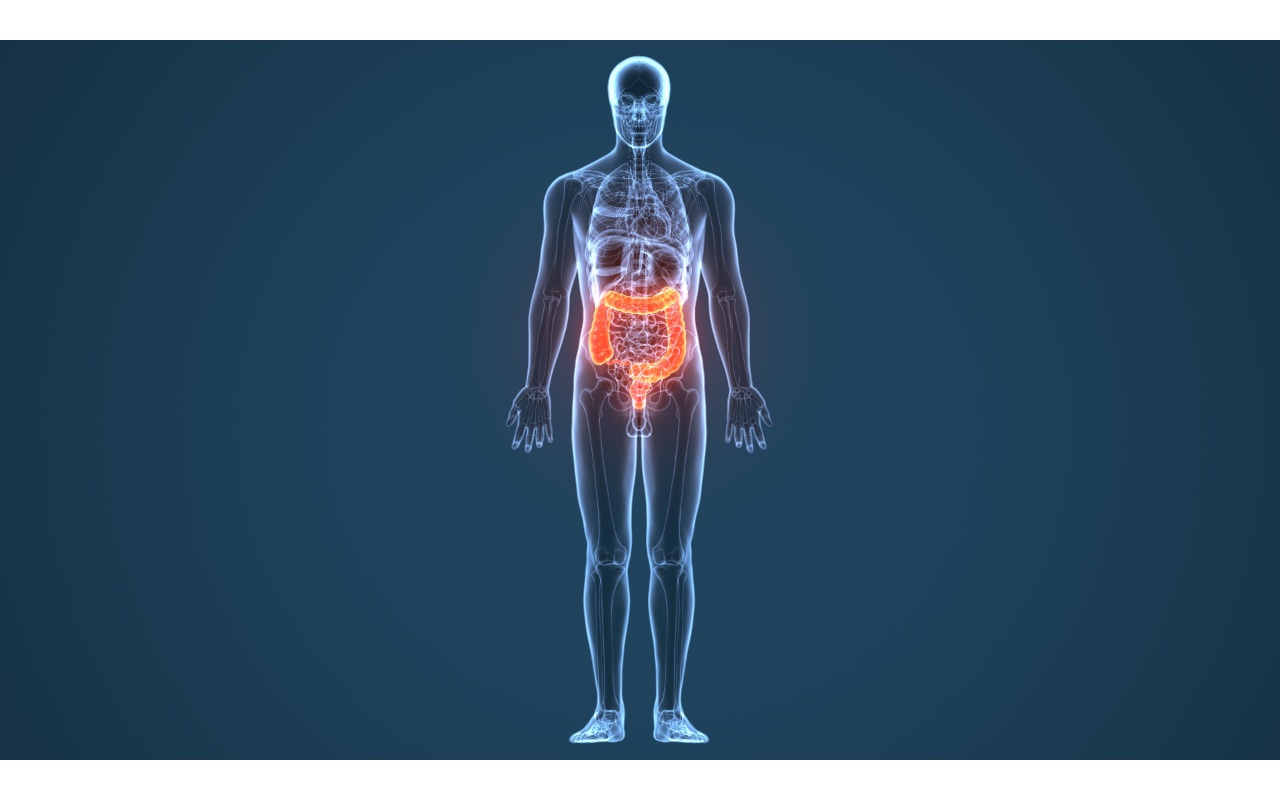
There is a close link between the brain and the gut microbiota, governed by the neurobiobic sense. This sense, like other sensory organs, would possess a remarkably high level of perception, enabling the brain to detect in real time signals and every other kind of transmission emitted by the vast population of microorganisms living in the intestine. The greatest influences of this liaison would concern the rules and behavior of appetite. The discovery of this mechanism was achieved by neuroscientists at Duke University, United States, who published the findings of their research in Nature.
Innovation
The American discovery could represent an important breakthrough in understanding the mechanisms that regulate appetite, defining a new brain–gut interaction, already known as the second brain, and thus opening potential new therapeutic avenues.
The researchers focused specifically on the neuropods, specialized cells located in the lining of the large intestine, a kind of sentinel, highly sensitive and capable of perceiving the presence of flagellin, a particular microbial protein, establishing an effective and immediate (real-time) “dialogue” with the brain, i.e., transmitting certain signaling codes to the brain which, in turn, will activate specific responses, for example by inhibiting the sensation of hunger.
A key role in this communication mechanism seems also to be played by flagellin, a protein present in the flagellum—the “tail” that many bacteria use to move—and which is released by some intestinal bacteria during feeding, acting as an inhibitory brake on appetite. The process works thanks to the synergy of flagellin and the vagus nerve: neuropods intercept flagellin via the specific receptor TLR5 (Toll-like 5), activating a signal that travels along the vagus nerve, the main pathway that allows the intestine and brain to dialogue.
Flagellin, in fact, would not seem to act directly on the nerve, instead triggering stimulation of the neuropod cells lining the colon lumen, called upon to reduce food intake through an intestinal–brain sensory neural circuit. The reduction in food intake induced by flagellin would arise independently of immune responses, metabolic changes, or the presence of the gut microbiota. This “neurobiobic sense,” the interface between the biota and the brain, essentially enables the host to adjust its behavior in response to a molecular pattern from its resident microorganisms.
Laboratory experiments
The researchers’ innovative hypothesis appears to be supported by experimental studies in mice, administering a small dose of flagellin directly into the colon after an overnight fast, observing a reduction in food request. This effect was not observed in mice lacking the TLR5 receptor, genetically modified animals that continued to exhibit the same eating behaviors and gained weight.
Specifically, the ubiquitous microbial flagellin pattern, a unifying feature across six phyla, in the mice colon would stimulate the activity of the TLR5 receptor in colon neuropod cells marked with the peptide YY (PYY). In turn, the stimulation would lead to the release of PYY onto nodose vagal neurons expressing NPY2R, codes for appetite regulation. This would thus attest to the role and participation (also) of this receptor in regulating appetite.
Based on the results, the researchers estimate that the “neurobiobic sense,” in addition to governing the mechanism of appetite, could offer a new interpretation of how gut microbiota influence, in real time, some human behaviors—not only related to eating but also mood, with a potential role in the onset of psychiatric disorders. This would imply that the organism is capable of recognizing microbial signals through immune or inflammatory responses, and probably also via a neural response, guiding certain specific behaviors and especially altering the relationship with food.
Future developments in research
According to the researchers, it will be necessary to understand how different diets can modify the microbiota composition, thereby influencing direct communication with the brain. This knowledge could open new avenues for the prevention and treatment of numerous pathologies. In essence, the gut would emerge as a true sensory center that constantly dialogues with the brain, where resident microbes could play a crucial role, much broader than what has been currently understood.
Source
Liu WW, Reicher N, Alway E et al. A gut sense for a microbial pattern regulates feeding. Nature, 2025. Link: https://www.nature.com/articles/s41586-025-09301-7
Abbonati a Karla Miller