
curated by the Valter Longo Foundation
The immune system is an extraordinarily complex network, built from specialized cells, lymphatic organs, and chemical mediators that work in concert to shield the body from viruses, bacteria, and other harmful agents. White blood cells represent the first line of defense: macrophages and granulocytes respond rapidly and non-specifically, while B and T lymphocytes ensure a more targeted and lasting response thanks to immunological memory. The proper operation of this sophisticated mechanism depends not only on the efficiency of individual cells, but also on the ability to communicate with one another through molecules such as cytokines. It is now well established that external factors—particularly nutrition, physical activity, sleep quality, and stress management—can positively or negatively modulate the immune response.
Nutrition and Defenses: An Indissoluble Bond
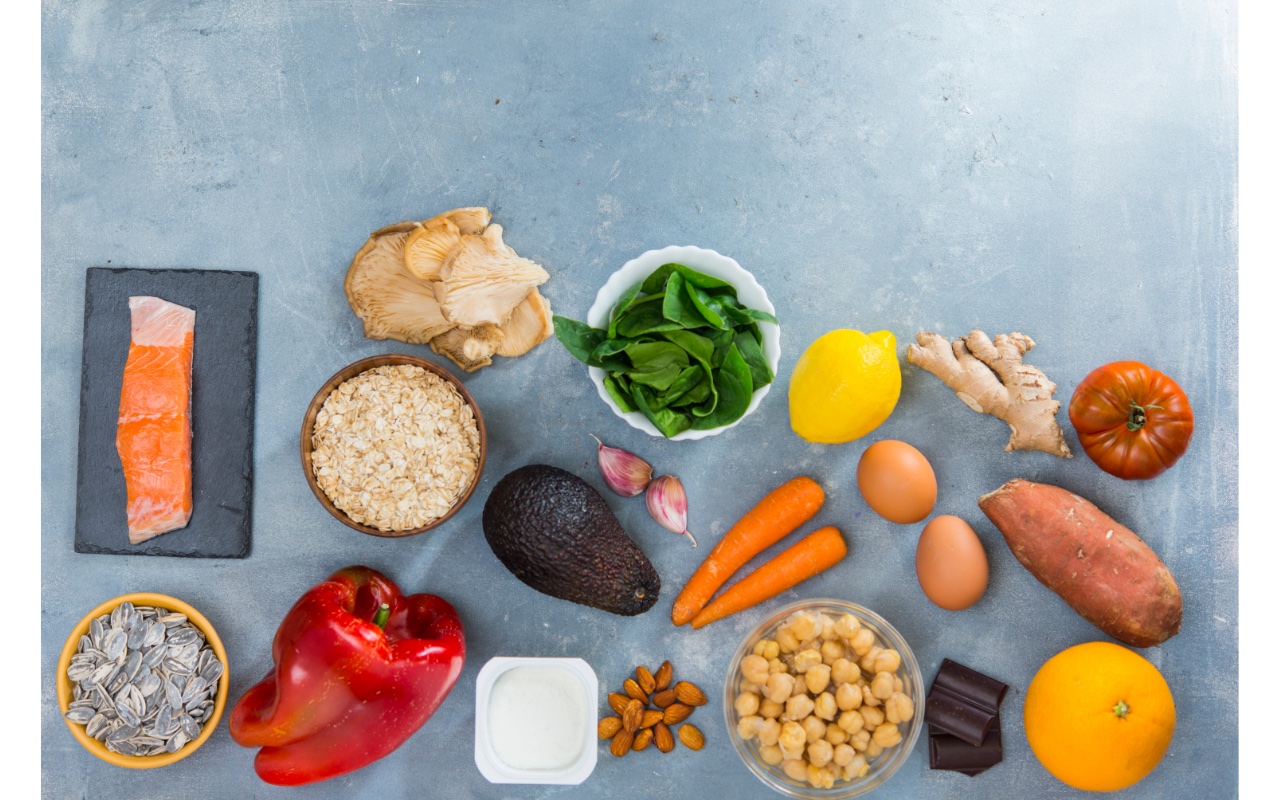
Diet is one of the major determinants of immune health. Even mild nutritional deficiencies can reduce antibody production, slow cell proliferation, and increase susceptibility to infections. A balanced diet supplies macronutrients (protein, complex carbohydrates, and unsaturated fats), micronutrients (vitamins and minerals), and essential fibers not only for the functioning of immune cells but also for the health of the gut microbiota, now recognized as a true immune organ. Diets rich in animal products and ultra-processed foods, typical of Western countries, are associated with microbiota imbalances (dysbiosis), leading to heightened inflammatory processes and a reduced defense capacity. By contrast, a predominantly plant-based diet, rich in fiber, vitamins, minerals, and phytochemicals, supports microbiota balance and helps boost immune defenses. Eating well, nutrient-dense and fiber-rich foods, supporting the microbiota, and maintaining an active lifestyle are the most effective strategies to strengthen defenses at every life stage. Good nutrition is not merely preventive—it is the key to a more resilient body capable of meeting daily challenges.
Macronutrients: The Fuel for Defenses
Proteins
Essential for the synthesis of antibodies and enzymes, proteins should be consumed daily: about 0.8 g/kg of body weight in adults, up to 1 g/kg after age 65. It is advisable to alternate animal and plant sources, prioritizing fish, lean poultry, legumes, eggs, and low-fat dairy products.
Essential fats
Omega-3 polyunsaturated fatty acids (EPA and DHA) have a well-documented anti-inflammatory effect. Two weekly servings of fish, daily use of extra-virgin olive oil, and around 20 g of nuts suffice to meet needs.
Carbohydrates and fiber
Choosing whole grains, fruits, and vegetables not only provides slow-release energy but also supplies prebiotic fibers indispensable for the microbiota. These fibers promote the production of short-chain fatty acids, metabolites with protective and anti-inflammatory effects.
Key Micronutrients for Immunity
- Vitamin C: an antioxidant that stimulates white blood cells and shortens the duration of respiratory infections. Sources: citrus fruits, kiwis, peppers, broccoli, and cabbage.
- Vitamin D: modulates the immune response and reduces inflammation. About 80% is produced by sun exposure, with the remainder coming from fatty fish, eggs, and mushrooms.
- Vitamin A and carotenoids: strengthen mucosal barriers. Found in carrots, pumpkin, apricots, leafy greens, and fatty fish.
- Vitamin E: supports T lymphocytes and combats oxidative stress. Sources: nuts, seeds, avocado, and extra-virgin olive oil.
- B vitamins: essential for the energy production of immune cells. Sources: whole grains, legumes, leafy greens, fish, and eggs.
- Zinc: regulates the maturation of T lymphocytes, useful against respiratory infections. Sources: seafood, pumpkin seeds, legumes, and nuts.
- Iron: participates in oxygen transport and antibody production. Sources: lean red meat, fish, legumes, and green leafy vegetables.
- Copper and selenium: modulate defenses and work in synergy with antioxidants. Sources: legumes, nuts, whole grains, and mushrooms.
The Microbiota: A Precious Ally
The intestinal microbiota, made up of trillions of microorganisms, is now recognized as an integral part of the immune system. When in balance (eubiosis), it supports the production of anti-inflammatory molecules and improves responses to infections and vaccines.
To keep it healthy, it helps to consume:
- Probiotics: yogurt, kefir, sauerkraut, and other fermented foods.
- Prebiotics: fibers found in garlic, onions, leeks, bananas, and legumes.
Lifestyle and Life Stages
A strong immune system is built over time.
- Children: it is crucial to introduce a variety of foods, ensure an adequate intake of omega-3s for neural development, and ensure proper daily caloric distribution. A complete breakfast with healthy sources of protein, carbohydrates, and fats helps prevent obesity and improves concentration.
- Adults: the priority is to maintain a varied diet, limit sugars and processed foods, ensure good hydration, engage in regular physical activity, and manage stress.
- Elderly: the phenomenon of immunosenescence reduces the efficiency of defenses. However, studies show that balanced nutrition and exercise can slow this process and improve quality of life.
Targeted Supplementation: When Is It Needed?
In certain periods of the year, such as winter, or in the presence of confirmed deficiencies, it can be useful to use multivitamin or omega-3 supplements. It is crucial, however, to remember that supplementation should occur under the supervision of healthcare professionals and never replace a balanced diet: it can, at best, serve as a complementary support. The immune system is a precious heritage, the product of intricate balances.
Subscribe to Integrative Medicine