
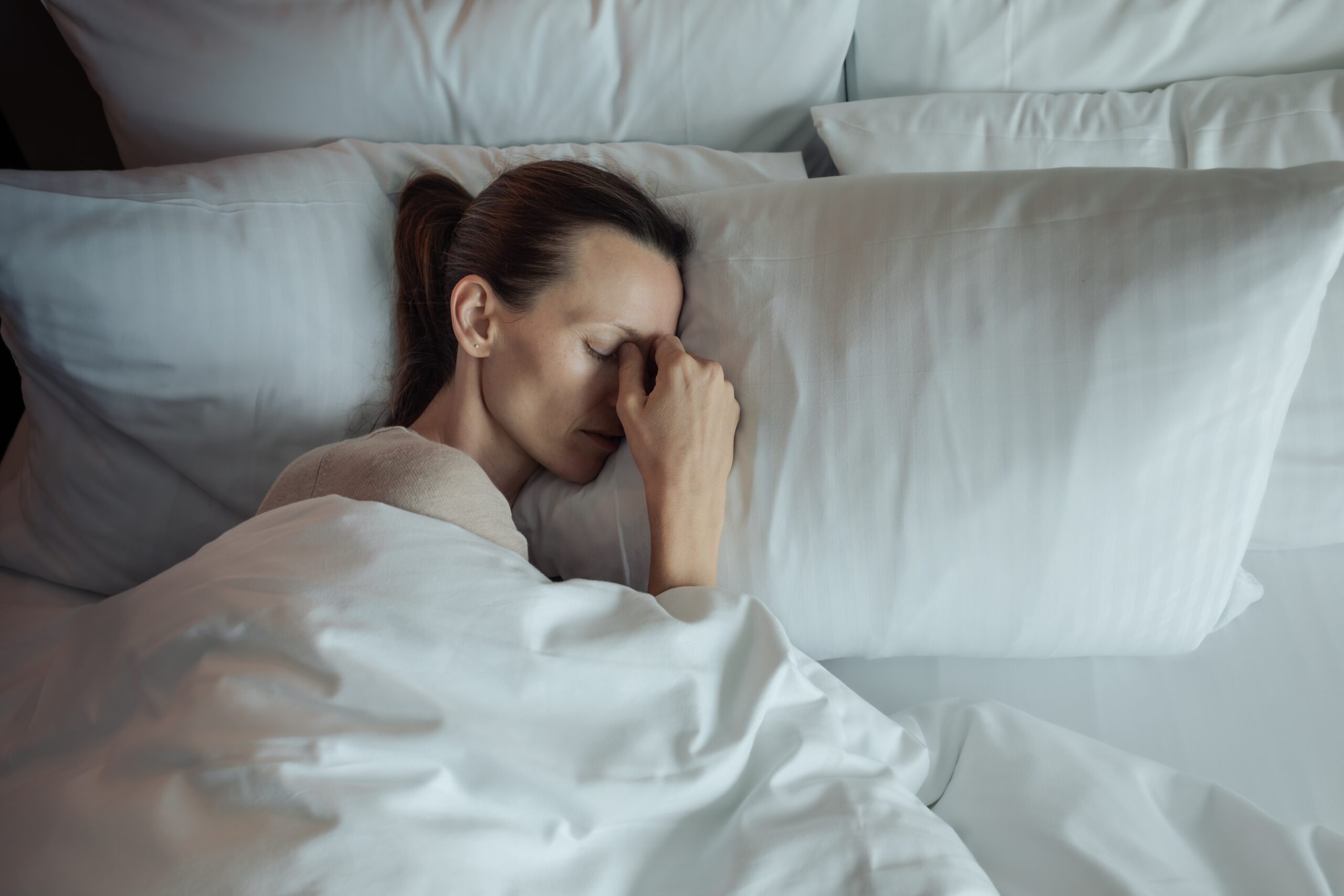
Autumn represents a period of profound physiological readjustment for the body. The gradual shortening of daylight hours and the return to high cognitive and emotional demands require a new balance among the systems that regulate the stress response, the sleep-wake cycle, and energy metabolism. For most people this process passes without particular difficulty; however, in some individuals, the capacity to adapt can be temporarily less efficient, fostering irritability, nervous tension, mental fatigue, and changes in sleep quality. In recent years, research has progressively clarified how stress and sleep are linked by a bidirectional relationship. Persistent activation of the hypothalamic-pituitary-adrenal axis (HPA) and the sympathetic nervous system, physiologic in acute stress situations, can, in fact, last beyond what is necessary, maintaining a heightened state of alertness even during the evening hours. Under these conditions, sleep is not merely a compromised function, but one of the first indicators of an adaptive response that struggles to regain its balance. A vicious circle then forms, in which stress makes it harder to fall asleep and reduces the quality of nighttime rest. In turn, insufficient or fragmented sleep amplifies reactivity to stress, increases emotional vulnerability, and reduces psychophysiological recovery capacity. Interrupting this mechanism early means not only promoting more restorative sleep but supporting the body’s resilience during a season characterized by substantial adaptive demands.
In this context, herbal medicine and nutraceuticals can offer complementary support through different, but synergistic, mechanisms. While adaptogens help modulate the neuroendocrine response to stress, certain plants traditionally used for relaxation and specific nutrients can intervene on nervous system hyperactivation and sleep quality, promoting a more effective physiological recovery.
When Stress Alters Sleep Architecture
While acute stress represents an essential physiological response, its persistence over time can keep the body in a state of prolonged activation. The hyperactivation of the hypothalamic-pituitary-adrenal axis (HPA) and the sympathetic nervous system disrupts the normal circadian rhythm of cortisol, fostering a state of hyperarousal in which the brain struggles to disengage from vigilance and enter recovery. (2, 4)
The result is a characteristic picture: difficulty falling asleep, fragmented sleep, and a persistent sense of morning fatigue, not so much due to fewer hours of sleep but because the restorative function of sleep is compromised.
In this context, the aim of intervention is not simply to promote sleep onset, but to support the mechanisms that regulate the stress response, reduce neurovegetative hyperactivation, and restore the physiological conditions that allow truly regenerating sleep.
Withania: Supporting the Body’s Capacity to Adapt
Among the most studied plants for supporting the body’s response to stress, Withania somnifera(L.) Dunal stands today as one of the reference adaptogens. The term, introduced in the 1950s by the Russian pharmacologist Nikolai Lazarev and later elaborated by Israel Brekhman and Ilya Dardymov, refers to natural substances capable of increasing the body’s nonspecific resistance to different forms of physical, chemical, and psychological stress, contributing to the maintenance of physiological balance.
Long before pharmacology coined this definition, Ayurveda had already recognized these properties in Withania, known as Ashwagandha and listed among Rasayana remedies aimed at supporting vitality, adaptability, and longevity. In Indian tradition, it was not used as a simple sedative, but as a tonic for the body in states of physical and mental fatigue, with the goal of facilitating the recovery of balance after periods of intense stress.
If sleep is one of the first functions to be affected by persistent stress, it is clear that a truly effective intervention cannot simply promote sleep onset; it must also act on the mechanisms that fuel neuroendocrine hyperactivation. It is precisely in this light that Withania has generated growing scientific interest, establishing itself as one of the best-characterized adaptogens at the clinical level.
Unlike conventional herbal sedatives, Withania does not exert a direct sedative effect. The available evidence suggests instead a capacity to modulate the hypothalamic-pituitary-adrenal (HPA) axis, helping the body become more resilient to stressors (6).
This feature sets it apart from some other adaptogens, because alongside its adaptogenic activity it has particularly solid neuropsychological well-being data. Numerous randomized clinical trials and the most recent meta-analyses have documented a reduction in perceived stress, anxiety, and cortisol levels, accompanied by an improvement in sleep quality (7, 8).
It is precisely this ability to modulate the stress response that gives Withania a role of particular interest in this context: in individuals exposed to chronic stress, sleep is often compromised not so much by a deficit in the mechanisms that drive sleep, but by the organism’s difficulty in leaving a state of persistent alertness. By reducing the impact of stress and supporting a more physiological neuroendocrine balance, Withania helps interrupt the vicious circle linking hyperactivation, rumination, and non-restorative sleep. The improvement in nighttime rest is therefore a natural consequence of a more balanced stress response, rather than a direct sedative effect (8, 9). Clinical effects are typically observable after several weeks of treatment, a pattern consistent with the mechanism of action of adaptogens, whose goal is not to trigger an immediate response but to progressively support the body’s capacity to adapt to stressors and to recover its functional balance.
Lavender: The Precious Role of Essential Oils
While adaptogens mainly modulate the neuroendocrine systems involved in the stress response, certain officinal plants can help reduce the mental hyperactivation that often accompanies sleep onset difficulties. Among them, lavender (Lavandula angustifolia Mill.) stands today as one of the best-documented phytocomplexes.
The essential oil is the most studied preparation from a neurophysiological standpoint. Its rationale is particularly interesting because olfactory information reaches the olfactory bulb and is subsequently transmitted to limbic system structures, such as the amygdala and hippocampus. This direct connection helps explain how aromatherapy can influence not only subjective stress perception but also some physiologic parameters related to autonomic activation, such as heart-rate variability and autonomic nervous system activity (10,11).
From a phytochemical perspective, the essential oil is mainly characterized by the presence of linalool and linalyl acetate. The available evidence indicates that these compounds exert multimodal actions on neural circuits involved in the stress response, through modulation of GABAergic transmission, NMDA glutamate receptors, and voltage-gated calcium channels, as well as effects on serotonin transport and on the activity of limbic networks responsible for emotional regulation (12). The strongest clinical evidence concerns an essential oil of Lavandula angustifolia standardized for oral use, evaluated in most randomized studies at the dose of 80 mg/day (11). Meta-analyses and controlled trials have documented improvements in anxiety and sleep quality, with a favorable tolerability profile and no evidence of clinically relevant sedation or dependence. More than inducing sleep, lavender appears to support the recovery of a more physiological balance of the circuits involved in the stress response, creating conditions more conducive to relaxation and the transition to nighttime rest (12,13).
Melissa: Relaxation in a Cup
Like lavender, lemon balm (Melissa officinalis L.) is an aromatic plant whose essential oil, rich in monoterpene aldehydes (citral and citronellal), emits a fresh and citrusy scent traditionally associated with calm and well-being. When taken orally, the plant owes its properties mainly to the phytocomplex rich in rosmarinic acid, flavonoids, and volatile components, attributed with relaxing, antispasmodic, and carminative activities, in line with traditional use in mild states of mental stress and digestive disorders (14,15).
The simplest form of use is an infusion, prepared with 1.5-4.5 g of dried leaves in about 150 mL of boiling water and left to steep for 5-10 minutes. A cup after dinner or in the evening can be a pleasant ritual that combines digestive support with gradual relaxation preceding nighttime rest.
Tradition in Support: Valerian
If Withania, lavender, and lemon balm primarily intervene on mechanisms that support the stress response and the state of hyperactivation, valerian (Valeriana officinalis L.) represents one of the oldest herbal medicines specifically used to promote sleep. Used for centuries in European medicine, it continues to occupy a reference position thanks to evidence backing its use in mild sleep disturbances and nervous tension, indications recognized by the EMA monograph (16).
The plant’s activity is attributed to its whole phytocomplex, in which valerenic acids, valepotriates, and components of the essential oil act through complementary mechanisms. Among the best-documented ones are the modulation of GABAergic neurotransmission, increasing synaptic GABA availability by reducing degradation and reuptake, as well as interaction with other systems involved in sleep regulation, including adenosinergic transmission.²⁰⁻²²
Rather than producing immediate sedation, Valerian seems capable of supporting the progressive recovery of physiological sleep, helping to reduce sleep onset latency and to improve sleep quality (17). The evidence suggests that effects are more evident after several weeks of continuous treatment, which is why the plant draws particular interest for individuals with persistent sleep difficulties linked to stress and nervous tension, rather than for occasional insomnia.
Nutraceuticals: The Role of Magnesium
Among nutraceuticals used to support the nervous system, magnesium plays a leading role due to involvement in over 300 enzymatic reactions and participation in processes that regulate neuromuscular function and nervous system activity. Chronic stress can raise the body’s needs and progressively deplete magnesium reserves, contributing to a state of increased neuronal excitability and making the natural nocturnal recovery harder.
Neurobiologically, magnesium participates in regulating synaptic transmission, notably by modulating NMDA glutamate receptor activity and helping maintain the balance between excitatory and inhibitory processes in the central nervous system (18, 19). This physiological rationale is supported by clinical studies that have shown improvements in sleep quality and psychological well-being parameters, particularly in people with suboptimal magnesium levels or high levels of stress. Among the various available forms, magnesium bisglycinate is a frequently used option in this context due to its high bioavailability and good gastrointestinal tolerability (20). The presence of glycine, an amino acid involved in sleep mechanisms, also strengthens the rationale for using this formulation, though the clinical evidence primarily concerns glycine as a standalone nutrient (21).
More than a specific insomnia remedy, magnesium can be considered a support for the physiology of sleep, helping to create conditions favorable to relaxation and nighttime recovery. In this light, it is of particular interest in formulations that pair magnesium with adaptogens and herbal medicines, but also with other nutraceuticals that work through complementary mechanisms. Among these:
- melatonin, indicated when sleep disturbance is linked to circadian rhythm disruption (22);
- the L-theanine, which promotes a state of relaxation without causing sedation, appearing particularly appealing for individuals with pronounced mental hyperactivation (23);
- 5-hydroxytryptophan (5-HTP), a precursor to serotonin and melatonin, although the clinical evidence supporting its use remains comparatively limited (24).
The combination of these ingredients thus follows a rationale of simultaneously targeting multiple mechanisms involved in the stress response and the regulation of sleep, rather than seeking a single active principle capable of solving the disturbance.
Article adapted from the October 2026 issue of Karla Miller
Bibliography
- Besedovsky L, Lange T, Haack M. The Sleep-Immune Crosstalk in Health and Disease. Physiol Rev. 2019 Jul 1;99(3):1325-1380.
- Riemann D, Nissen C, Palagini L, Otte A, Perlis ML, Spiegelhalder K. The neurobiology, investigation, and treatment of chronic insomnia. Lancet Neurol. 2015 May;14(5):547-58.
- Van Cauter E, Leproult R, Kupfer DJ. Effects of sleep deprivation on hormones and metabolism. Lancet. 2008;371:1435-1442.
- Riemann D, Nissen C, Palagini L, Otte A, Perlis ML, Spiegelhalder K. The neurobiology, investigation, and treatment of chronic insomnia. Lancet Neurol. 2015 May;14(5):547-58.
- Panossian A, Wikman G. Effects of Adaptogens on the Central Nervous System and the Molecular Mechanisms Associated with Their Stress-Protective Activity. Pharmaceuticals (Basel). 2010 Jan 19;3(1):188-224.
- Akhgarjand C, Asoudeh F, Bagheri A, Kalantar Z, Vahabi Z, Shab-Bidar S, Rezvani H, Djafarian K. Does Ashwagandha supplementation have a beneficial effect on the management of anxiety and stress? A systematic review and meta-analysis of randomized controlled trials. Phytother Res. 2022 Nov;36(11):4115-4124.
- Cheah KL, Norhayati MN, Husniati Yaacob L, Abdul Rahman R. Effect of Ashwagandha (Withania somnifera) extract on sleep: A systematic review and meta-analysis. PLoS One. 2021 Sep 24;16(9):e0257843.
- Andrade C, Aswath A, Chaturvedi SK, Srinivasa M, Raguram R. A double-blind, placebo-controlled evaluation of the anxiolytic efficacy ff an ethanolic extract of withania somnifera. Indian J Psychiatry. 2000 Jul;42(3):295-301.
- Wiciński, M.; Fajkiel-Madajczyk, A.; Sławatycki, J.; Szambelan, M.; Szyperski, P.; Wojciechowski, P.; Wójcicki, J.; Gawryjołek, M. Ashwagandha (Withania somnifera) and Its Effects on Well-Being—A Review. Nutrients 2025, 17, 2143.
- Donelli D, Antonelli M, Bellinazzi C, Gensini GF, Firenzuoli F. Effects of lavender on anxiety: A systematic review and meta-analysis. Phytomedicine. 2019 Dec;65:153099.
- Kasper S, Gastpar M, Müller WE, Volz HP, Möller HJ, Dienel A, Schläfke S. Efficacy and safety of silexan, a new, orally administered lavender oil preparation, in subthreshold anxiety disorder – evidence from clinical trials. Wien Med Wochenschr. 2010 Dec;160(21-22):547-56.
- Koulivand PH, Khaleghi Ghadiri M, Gorji A. Lavender and the nervous system. Evid Based Complement Alternat Med. 2013;2013:681304.
- Cavanagh HM, Wilkinson JM. Biological activities of lavender essential oil. Phytother Res. 2002 Jun;16(4):301-8.
- European Medicines Agency (EMA). Community herbal monograph on Melissa officinalis L., folium. London: EMA; latest revision.
- Shakeri A, Sahebkar A, Javadi B. Melissa officinalis L. – A review of its traditional uses, phytochemistry and pharmacology. J Ethnopharmacol. 2016 Jul 21;188:204-28.
- European Medicines Agency (EMA). Community herbal monograph on Valeriana officinalis L., radix. London: EMA; latest revision.
- Valente V, Machado D, Jorge S, Drake CL, Marques DR. Does valerian work for insomnia? An umbrella review of the evidence. Eur Neuropsychopharmacol. 2024 May;82:6-28.
- Abbasi B, Kimiagar M, Sadeghniiat K, Shirazi MM, Hedayati M, Rashidkhani B. The effect of magnesium supplementation on primary insomnia in elderly: A double-blind placebo-controlled clinical trial. J Res Med Sci. 2012 Dec;17(12):1161-9.
- Nielsen FH. Magnesium, inflammation, and obesity in chronic disease. Nutr Rev. 2010 Jun;68(6):333-40.
- Gröber U, Schmidt J, Kisters K. Magnesium in Prevention and Therapy. Nutrients. 2015 Sep 23;7(9):8199-226.
- Bannai M, Kawai N. New therapeutic strategy for amino acid medicine: glycine improves the quality of sleep. J Pharmacol Sci. 2012;118(2):145-8.
- Ferracioli-Oda E, Qawasmi A, Bloch MH. Meta-analysis: melatonin for the treatment of primary sleep disorders. PLoS One. 2013 May 17;8(5):e63773.
- Bulman A, D’Cunha NM, Marx W, Turner M, McKune A, Naumovski N. The effects of L-theanine consumption on sleep outcomes: A systematic review and meta-analysis. Sleep Med Rev. 2025 Jun;81:102076.
- Sutanto CN, Xia X, Heng CW, Tan YS, Lee DPS, Fam J, Kim JE. The impact of 5-hydroxytryptophan supplementation on sleep quality and gut microbiota composition in older adults: A randomized controlled trial. Clin Nutr. 2024 Mar;43(3):593-602.
Abbonati a Karla Miller