
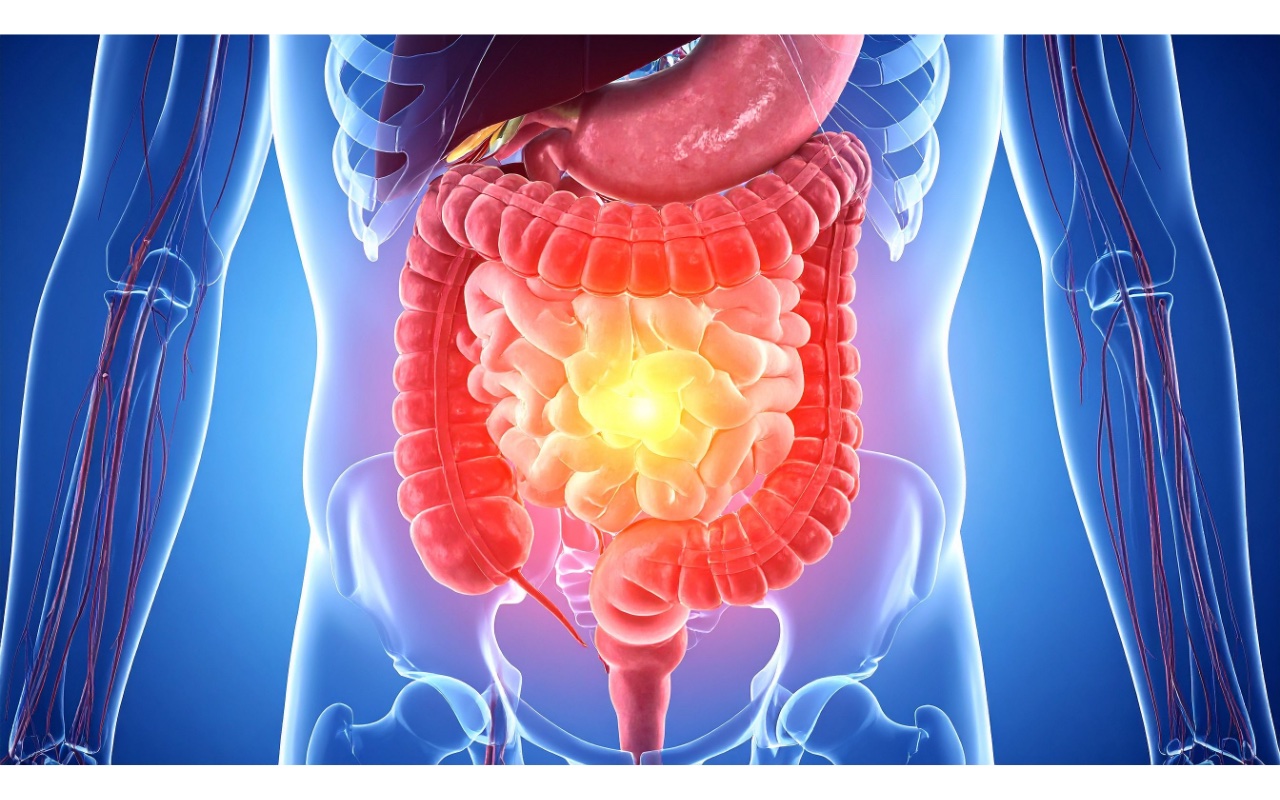
In recent years, interest in the gut’s role in regulating systemic health has surged, particularly within the realm of integrative medicine, thanks to a stream of new scientific discoveries published in recent years.
Dynamic Barrier
The intestinal mucosa is far more than a simple absorbing surface: it is a dynamic barrier that selectively regulates the passage of nutrients while keeping pathogens and potentially harmful molecules out. The tight junctions between epithelial cells are the structural keystone of this function. Numerous factors can compromise the integrity of the tight junctions, including:
Intestinal dysbiosis
Diets rich in ultra-processed foods
Chronic stress and elevated cortisol
NSAID medications, alcohol, intestinal infections
Dietary components such as gliadin, a gluten fraction (in predisposed individuals)
When these junctions are altered, a state of increased intestinal permeability ensues, allowing antigens, toxins and bacteria into the systemic circulation that can activate the immune system and promote chronic inflammation.
Inflammatory Agents
Numerous studies have highlighted the link between the concept of increased intestinal permeability—also known as Leaky Gut Syndrome—and a range of chronic inflammatory, immunological and metabolic conditions. At the center of this complex interaction lies:
the zonulin, a key protein involved in controlling the integrity of the intestinal barrier;
gluten as a potential environmental trigger (in predisposed individuals);
conditions such as non-celiac gluten sensitivity (NCGS).
Zonulin: the Regulator of Intestinal Permeability
The discovery of zonulin by the team headed by Prof. Alessio Fasano marked a turning point in understanding the pathophysiology of the permeable gut (leaky gut). Zonulin acts as an endogenous modulator of tight junctions: when released in excess, these junctions loosen temporarily, increasing permeability. Triggers such as intestinal infections, disturbances of the microbiota, and, most notably, dietary components like gluten can activate its release.
Gluten as an Environmental Trigger
Gluten, a complex protein found in cereals such as wheat, barley and rye, is recognized as one of the primary inducers of zonulin release—not only in individuals with celiac disease, but also in genetically predisposed people or those with dysbiosis. Even in the absence of overt celiac disease, chronic exposure to gluten can compromise barrier integrity and drive systemic immune responses.
Non-Celiac Gluten Sensitivity and Immune Activation
Non-celiac gluten sensitivity (NCGS) is a condition characterized by gastrointestinal and extraintestinal symptoms related to gluten intake, but without the typical markers of celiac disease (anti-tTG antibodies and villous atrophy). Recent studies have shown that these patients often exhibit elevated plasma zonulin levels and increased intestinal permeability. While the exact pathogenic mechanism remains incompletely understood, the prevailing hypothesis is that gluten acts as an activator of an innate immune response, sustained by barrier dysfunction.
Pathogenesis
Intestinal hyperpermeability does not merely cause local symptoms. Molecules crossing the compromised mucosa can trigger a systemic inflammatory response, contributing to the pathogenesis of conditions such as irritable bowel syndrome (IBS), neuroinflammatory disorders, autoimmune diseases, metabolic disorders, and chronic dermatitis. In these scenarios, zonulin becomes not only a marker of damage but also a potential therapeutic target.
An Integrated Approach to Managing a Permeable Gut
In individuals suspected of having increased intestinal permeability, the most effective intervention is the removal of triggering factors, including:
Dietary irritants to the mucosa (gluten, industrial dairy, refined sugars);
Gastrointestinally irritant medications (NSAIDs, alcohol)
Intestinal Dysbiosis
From an integrative medicine perspective, the goal is not only to reduce symptoms, but to actively restore barrier function through:
Nutritional modulation (gluten-free or gluten-reduced, potentially low-FODMAP)
Targeted prebiotics and probiotics
Supplements with polyphenols, L-glutamine, omega-3 fatty acids
Stress management, which directly affects the gut-brain axis and can increase intestinal inflammation (and thus zonulin secretion).
A specialist’s assessment for possible intolerances, microbiota imbalances, and systemic inflammation can guide a personalized therapeutic path, supporting the restoration of gut health as a keystone for overall well-being.
A Clinical Challenge
In conclusion, intestinal permeability represents a rapidly evolving clinical and scientific challenge. The growing understanding of the role of zonulin and the interaction between diet, the intestinal barrier, and immune response opens new avenues for prevention and integrated management of numerous chronic conditions. The connection between intestine permeability, zonulin, and gluten sensitivity also suggests a dynamic interplay between diet, barrier function, and the immune system. In the spirit of integrative medicine, recognizing and treating increased permeability early—especially in people with nonspecific symptoms and low-grade chronic inflammation—may offer a tangible clinical opportunity. Adopting personalized strategies aimed at rebalancing the intestinal barrier and immune response thus represents a promising frontier for the integrated management of many chronic and functional conditions.
Zonulin and Markers of Intestinal Dysfunction
In individuals with Leaky Gut, circulating levels of zonulin, LPS (bacterial lipopolysaccharides) and FABP2 (Fatty Acid Binding Protein 2) are often elevated. These biomarkers are increasingly used in integrative medicine to monitor gut barrier health and guide personalized therapeutic approaches.
Leaky Gut Syndrome: How to Recognize It?
The term “leaky gut” does not denote an official diagnosis, but a functional condition. Here are some signs and symptoms commonly associated:
Bloating and recurrent dysbiosis
Multiple food intolerances
Chronic fatigue
Brain fog
Joint or muscle pain
Skin symptoms (eczema, dermatitis)
Low-grade systemic inflammation
While not specific, their coexistence can suggest altered gut barrier function. Evaluation with targeted tests (fecal or serum zonulin, LPS, sCD14—ordered by medical specialists) can help identify this excessive intestinal permeability.
Sources
- Al Dera, Hussain, Alrafaei, Bahauddeen, AL Tamimi, Muneerah I., Alfawaz, Hanan A., Bhat, Ramesa Shafi, Soliman, Dina A., Abuaish, Sameera and El-Ansary, Afaf. “Leaky gut biomarkers in casein- and gluten-rich diet fed rat model of autism” Translational Neuroscience, vol. 12, no. 1, 2021, pp. 601-610. /doi.org/10.1515/tnsci-2020-0207
- Barbaro MR, Cremon C, Morselli-Labate AM, et al. Gut 2020; 0:1–9. doi:10.1136/gutjnl-2019-319281
- Barbara G, Barbaro MR, Fuschi D, et al. Gut microbiota, epithelial barrier and neuro-immune interactions in the pathogenesis of gluten-related disorders. United European Gastroenterology Journal. 2015;3(5):492-502. doi:10.1177/2050640615587958
- Catassi C, Elli L, Bonaz B, et al. Diagnosis of Non-Celiac Gluten Sensitivity (NCGS): The Salerno Experts’ Criteria. Nutrients. 2015;7(6):4966-4977. doi:10.3390/nu7064966
- Fasano A. Zonulin and its regulation of intestinal barrier function: The biological door to inflammation, autoimmunity, and cancer. Physiological Reviews. 2011;91(1):151-175. doi:10.1152/physrev.00003.2008
- Hollon J, Puppa EL, Greenwald B, Goldberg E, Guerrerio A, Fasano A. Effect of gliadin on permeability of intestinal biopsy explants from celiac disease patients and patients with non-celiac gluten sensitivity. Nutrients. 2015;7(3):1565-1576. doi:10.3390/nu7031565
- Volta U, Caio G, Tovoli F, De Giorgio R. Non-celiac gluten sensitivity: Questions still to be answered despite increasing awareness. Cellular & Molecular Immunology. 2013;10(5):383-392. doi:10.1038/cmi.2013.28
Abbonati a Karla Miller