
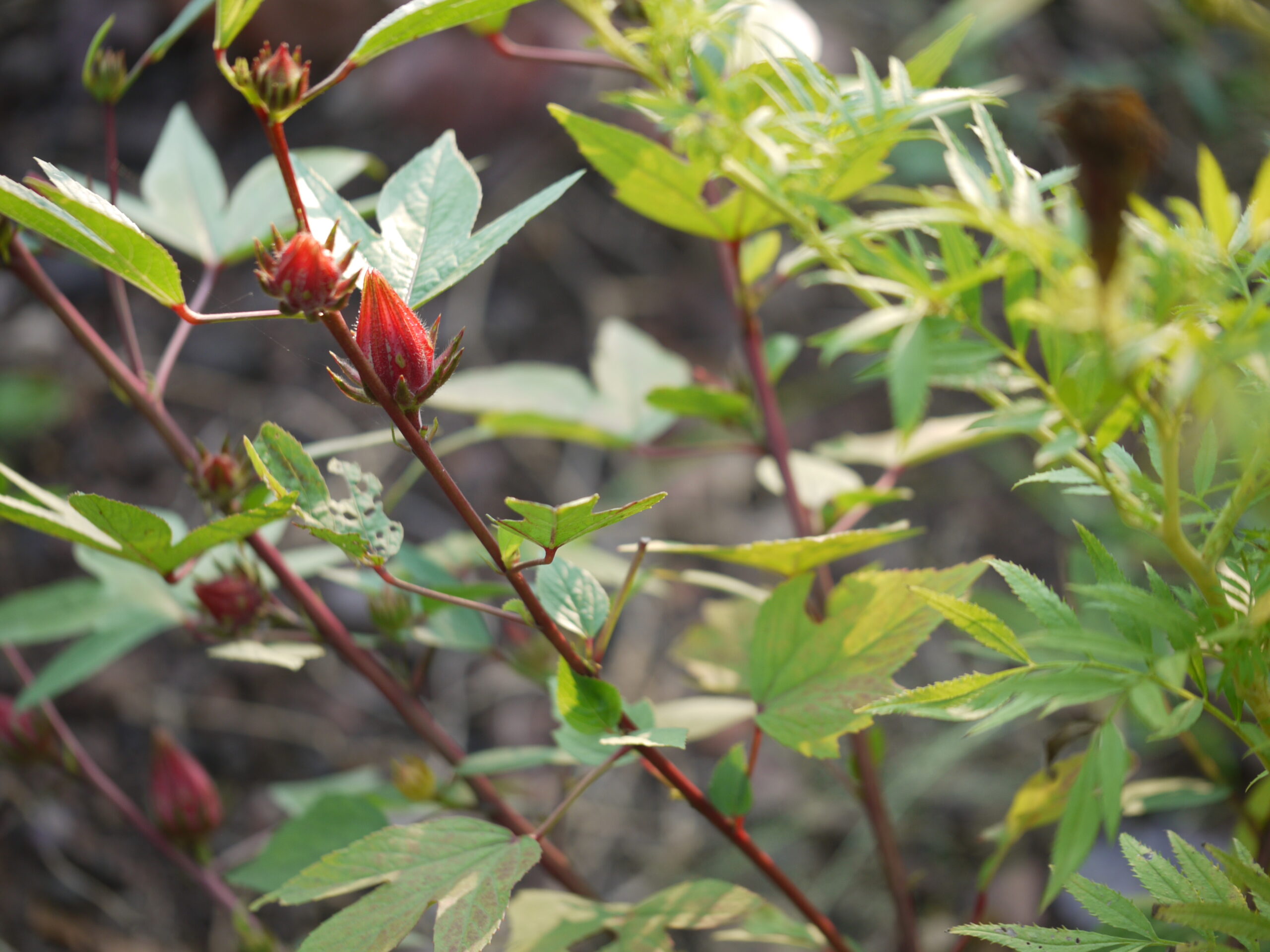
It is now evident the close link between arterial hypertension and the (increased) risk of cognitive decline and dementia. Elevated blood pressure values contribute, in fact, to damaging the brain’s vessels, compromising blood flow, thereby increasing the likelihood of stroke, Alzheimer’s disease, and vascular dementia. The rigorous control of blood pressure through traditional pharmacologic therapies can protect the brain, preventing or slowing these problems, with effects even greater if started early.
Research, however, is actively pursuing natural strategies, such as nutraceuticals, that when integrated into standard protocols can provide support and further reduce hypertension and its associated implications. Hibiscus sabdariffa responds to this objective, according to preliminary evidence from small studies, including the latest published in Nutrition Neuroscience and the Journal of Pharmacy and Bioallied Sciences.
Pre-Experimental Research
These are by no means conclusive data, but rather a potential direction toward a new option for supportive care, one that warrants further investigation. Researchers from India designed and adopted a one-group pretest-posttest study to explore, in 60 pre-hypertensive patients, the efficacy of the aqueous extract of Hibiscus sabdariffa flowers in reducing blood pressure and serum lipids.
A self-structured questionnaire, a manual sphygmomanometer and a stethoscope, were the monitoring tools used to detect blood pressure levels before and after the administration of Hibiscus sabdariffa extract, highlighting the plant’s “inhibitory” properties. The therapy appears to have produced a significant drop in blood pressure, with an average difference score of 12.75, alongside substantial reductions in total cholesterol, triglycerides, low-density lipoprotein (LDL), high-density lipoprotein (HDL), and very-low-density lipoprotein (VLDL). Moreover, the calculated paired t-test value of 16.280 was statistically significant.
In detail, some results: the mean pre-test systolic blood pressure score was 149.50 ± 14.42, and the mean post-test score was 131.33 ± 10.96. The mean difference score was 18.17.
The paired t-test value of 13.207 was statistically significant at the level P < 0.001. The mean pre-test diastolic blood pressure was 97.33 ± 6.60, with a post-test mean of 84.58 ± 5.14. The mean difference score was 12.75.
The paired t-test value of 16.280 was statistically significant at the level P < 0.001, indicating a meaningful drop in blood pressure among pre-hypertensive patients in the experimental group after administration of the aqueous Hibiscus sabdariffa extract. These effects and benefits could be attributable to some bioactive compounds contained in the plant, in particular anthocyanins such as delphinidin-3-sambubioside and cyanidin-3-sambubioside, which appear capable of modulating blood pressure and some cardiometabolic markers. Moreover, positive cognitive effects cannot be ruled out either.
A Potential Support in Combating Dementia
The relationship between hibiscus effects on cognitive performance had not yet been fully explored, at least in humans. In light of experimental evidence showing that the hibiscus ethyl acetate fraction can improve spatial memory (Y-maze test) in a streptozotocin-induced diabetic mouse model, and that gossypetin, a flavonoid present in hibiscus, can enhance spatial learning and memory while reducing amyloid-beta deposition in the hippocampus and cortex in a mouse model of Alzheimer’s disease.
Building on these data, British researchers initiated a pilot study to explore the acute outcomes of hibiscus consumption on cognitive performance and metabolic effects in overweight individuals, enrolling in a randomized, cross-over, placebo-controlled trial 20 participants aged 35 ± 2.8 years with a BMI of 30 ± 1.2 (kg/m²). Divided into two groups, participants received a hibiscus-based beverage or an inert placebo in conjunction with a high-carbohydrate breakfast. Metabolic and cognitive measures were assessed in a 2-hour postprandial window. The results appear to show that hibiscus beverage consumption significantly reduced the postprandial glycemic response compared with placebo after 30 and 45 minutes, with no changes in blood pressure.
Moreover, hibiscus consumption significantly attenuated the decline in delayed free recall in the visuospatial–verbal learning test and reduced retroactive interference after beverage intake, suggesting that newly learned information interfered less with the recall of previously learned information than with placebo.
Additionally, non-significant improvements (p = 0.063) were observed in executive function and in the separation of subsequent cognitive schemas after hibiscus consumption. Additional cognitive-performance assessments used included the Tower of Hanoi, the Pattern Separation Task, and Mental Workload. Thus, acute hibiscus intake modestly affects memory and executive function, while also producing benefits for postprandial glycemic response. These findings will need confirmation in larger samples and to define the long-term effects of hibiscus consumption.
These cognitive outcomes depend on the effects of anthocyanins, likely via brain mechanisms or improved vascular function. Additionally, this area warrants further study, as mechanistic work on hibiscus’s neuroprotective potential remains limited: for example, pre-treating neuronal cells (Neuro2A) with hibiscus before exposure to high glucose appears to inhibit acetylcholinesterase activity (preserving acetylcholine levels) and reduce the formation of reactive oxygen species, thereby prolonging cell life.
Meanwhile, pre-treatment with hibiscetin, another component of hibiscus, promotes the synthesis of the endogenous antioxidant glutathione and the enzymes catalase and superoxide dismutase, as well as the neurotransmitters dopamine, norepinephrine, and serotonin in rat brain tissues in a model of Parkinson’s disease. These results from in vitro and in vivo mechanistic research strengthen the possibility that hibiscus may exert direct brain effects.
Sources
Ellis L, Aragón-Rojas S, Dye L et al. Acute effects of Hibiscus sabdariffa on blood pressure and cognitive function. Nutr Neurosci, 2025, 8(9):1093-1103. Doi: 10.1080/1028415X.2025.2462944
Sridevi B, Vency Faustine A, Kavitha M et al. Effectiveness of Aqueous Hibiscus Sabdariffa Extract on Reduction of Blood Pressure and Serum Lipids Among Prehypertensive Patients. J Pharm Bioallied Sci, 2024, 16(Suppl 3):S2886-S2888. doi: 10.4103/jpbs.jpbs_554_24
Subscribe to Integrative Medicine