
Eating foods considered beneficial to the gut microbiota may be associated with a more efficient cognitive profile in older age. This is suggested by a study published in the Journal of Alzheimer’s Disease, conducted among 2,629 adults aged 60 and older who participated in the U.S. NHANES 2011-2014.
The researchers used the Dietary Index for Gut Microbiota, or DI-GM, an index that gauges how well a person’s diet aligns with an intestinal environment thought to be favorable for the microbiome. Higher scores were associated with better performance on certain cognitive tests, even after statistical adjustments.
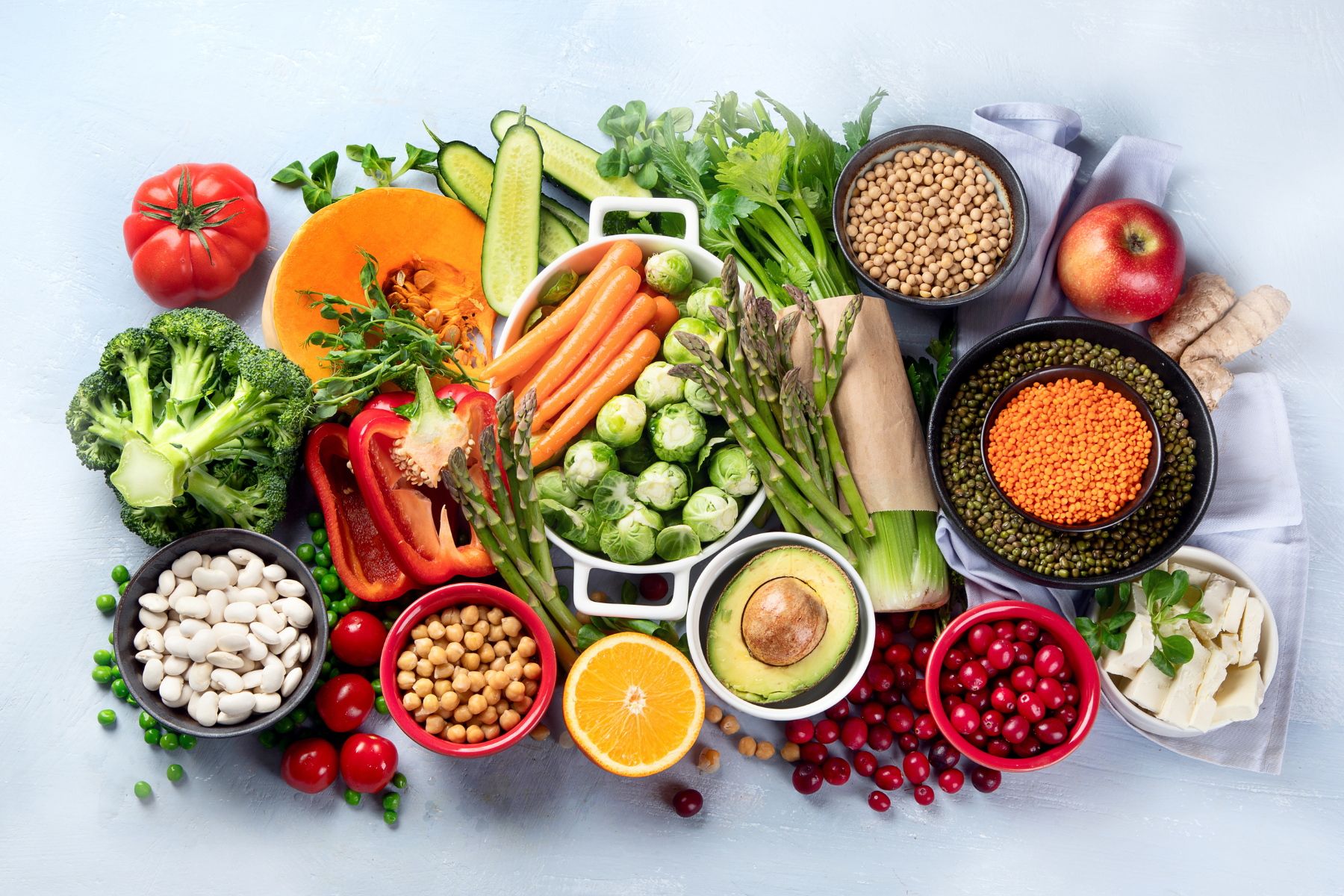
The DI-GM was developed in 2024 from a review of 106 studies. It assigns a positive score to fermented dairy products, chickpeas, soy, whole grains, fiber, cranberries, avocado, broccoli, coffee, and green tea; it Penalizes red and processed meats, refined grains, and diets in which at least 40% of energy comes from fats.
In the NHANES data, green tea could not be distinguished, so the maximum score used was 13. This is not a prescriptive diet, but a synthetic tool to describe the quality of the menu from the microbiota’s perspective.
What cognitive domains were assessed
Cognitive abilities were explored with three tools. The CERAD assesses word learning and recall; the Animal Fluency Test examines verbal fluency and executive function; the Digit Symbol Substitution Test measures processing speed, sustained attention, and working memory.
These tests are useful in epidemiological studies, but they do not equate to a clinical diagnosis of cognitive decline or dementia.
Main findings
Compared with participants with a DI-GM score between 0 and 3, those with a score of 6 or higher averaged 1.11 more points on the verbal fluency test and 4.95 more points on the symbol substitution test.
The global cognitive score was also higher. There was no significant association with CERAD. The signal appears to concernMental speed, attention, and executive function more than all components of memory.
The potential role of inflammation
Fiber and plant-based foods are fermented by gut microorganisms, producing short-chain fatty acids, including butyrate. These metabolites participate in regulating the intestinal barrier, the immune system, and signaling along the gut–brain axis.
The authors also noted that the diet’s inflammatory index partly explained the link between DI-GM and cognitive outcomes. A microbiota-friendly diet could therefore be associated with lower inflammatory burden, though the study by itself does not prove the underlying biological mechanism.
Confirmation from a metagenomic cohort
A second study paired the NHANES data with a Hong Kong cohort that included metagenomic analyses. In this population, higher fiber intake was associated with better cognitive scores and a greater presence of fermenting bacteria.
Among these, Eubacterium ventriosum explained a small portion of the association between fiber and reduced dementia risk. Even this result should be interpreted as a biological hypothesis rather than therapeutic proof.
Limitations to consider in clinical practice
The main limitation is the cross-sectional design: diet and cognition were captured at the same time. It is therefore not possible to determine whether diet contributed to better cognitive performance or whether healthier, more autonomous individuals with generally favorable habits were more likely to follow a higher-quality diet.
Moreover, 24-hour dietary recalls can contain errors and the DI-GM remains an indirect indicator: in the Journal of Alzheimer’s Disease study, individual participants’ microbiota was not measured directly.
What we know from microbiota interventions
A 2026 review of 15 intervention studies reported signals favoring diet, probiotics, and other microbiota-targeted strategies, particularly in the early stages of cognitive deterioration.
However, the authors highlighted the heterogeneity of studies and the need for larger, longer, and better-standardized trials before translating these approaches into specific recommendations.
The take-home message for primary care physicians and specialists
For clinical practice, the message remains cautious but aligns with general nutritional guidelines: promote higher intake of fiber, legumes, whole grains, vegetables, and fermented foods, while limiting processed meats and refined products.
There is not yet a single dietary plan proven to prevent Alzheimer’s disease, but supporting the gut microbiota may be one piece of a lifestyle conducive to healthy brain aging.
Study
Si K, Sun C, Guo H, Shi C, Wang Y. Association between the Dietary Index for Gut Microbiota and cognitive function among older adults in the United States. J Alzheimer’s Dis. 2026;112(1):175-187.
Abbonati a Karla Miller