
A dementia diagnosis often carries the sense of an inescapable fate, a defeatist view that labels the person as no longer possessing intentionality and identity. Yet, modern geriatrics and neuropsychiatry firmly oppose this approach, promoting rehabilitation and non-pharmacological interventions as tools to restore dignity, well-being, and autonomy for as long as possible.
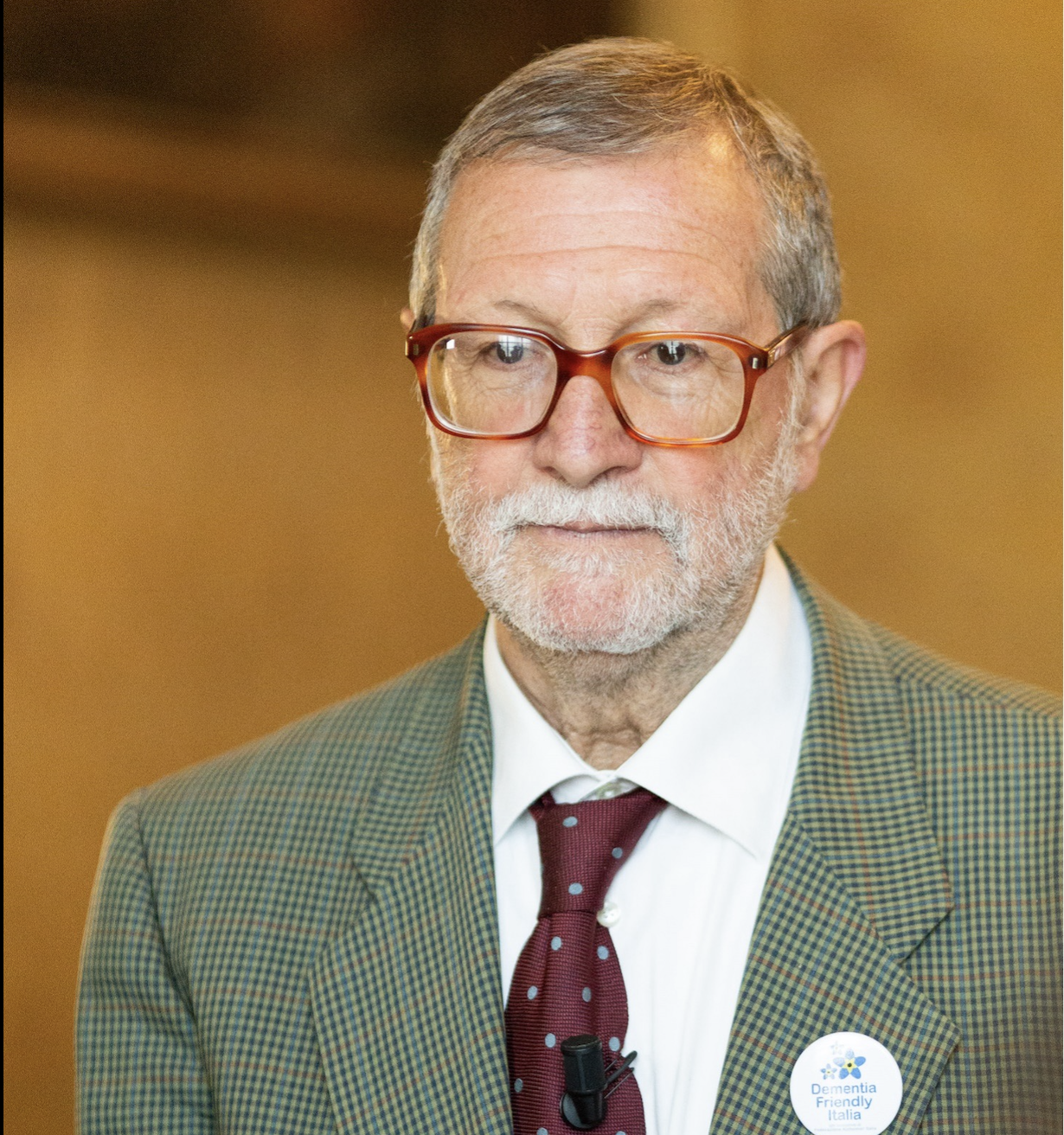
With Antonio Guaita, a geriatrician and the director of the Golgi Cenci Foundation for research on brain aging, we delved into the topic, focusing on the goals of rehabilitation intervention, the different types of treatments, the most appropriate timing, and the opportunities offered by tele-rehabilitation.
Well-being as the primary clinical objective
«The primary goal of any intervention, whether rehabilitation or psychosocial, is the well-being of the person living with dementia. If functional improvement occurs, it should be viewed as a welcome byproduct of the person feeling better, not the sole measure of success» Guaita explained, emphasizing, moreover, that rehabilitation for dementia should be framed in terms of a “policy of small gains.” «It’s not about chasing unattainable cure targets that only breed frustration, but about acting on a chronic and degenerative process to slow its progression».
Therefore, in any type of intervention, one should not focus on improving test scores and parameters; first and foremost, it is essential to ensure better well-being for people, the specialist underscored.
In this framework, the relational context and the mode of engagement — whether individual or group — take on crucial importance. «The person must feel comfortable, happy, and not subjected to stress or anxiety in anticipation of a future functional gain that might not offset the immediate discomfort. The approach is one of a ‘small steps’ policy to gain day by day happiness and serenity».
When and how to intervene: flexibility is the key
The effectiveness of rehabilitation interventions relies heavily on the timeliness of the diagnosis and the stage of the disease. «The earlier the intervention, the greater its effectiveness, provided it is targeted to the specific stage. The same person with dementia changes over the course of their clinical history, and the therapeutic and rehabilitation approach must evolve accordingly».
Interventions aimed at improving cognitive functions show effectiveness only in the early and middle stages of the disease, as confirmed by the National Guidelines “Diagnosis and Treatment of Dementia and Mild Cognitive Impairment” from ISS (Istituto Superiore di Sanità).
«In the more severe and advanced stages, intensive cognitive training is counterproductive, as it can heighten anxiety and stress without delivering lasting results» stressed the interviewee: «In these stages, one must go beyond cognition, focusing on broader stimulations such as movement and sensory and creative stimulation. Physical exercise and gentle gymnastics maintain positive effects on behavior, overall health, and, indirectly, cognition. Music, reminiscence therapy, exposure to nature and to scents, or the sight of beauty, carry an emotional power that accompanies the person even in a more advanced journey, shifting the goal toward improving well-being, reducing behavioral disturbances, and increasing social participation».
Music therapy and reminiscence therapy, for example, work by tapping into emotional and procedural memories that often remain active even when declarative memory is compromised. Recalling songs or past events strengthens personal identity and reduces agitation, stimulating a sense of self that resists degeneration.
The duration of the intervention and the “prosthetic” strategy
Regarding the frequency of interventions, the evidence and clinical practice suggest that in the early stages positive effects can endure for months after the end of intensive training. However, the more advanced the dementia, the less durable the benefits.
According to Guaita, after a phase of intensive rehabilitation “boost,” the best strategy is to train the family or caregivers to maintain a constant regime in daily life. «From a certain stage of the disease, the intervention must become “prosthetic,” compensating externally for what the patient no longer has inside. It is about sustaining the results achieved, helping the person maintain procedural memory, and strengthening daily references of space and time».
The “false friends” of integrative therapies: clinical risk and not just ineffectiveness
National guidelines explicitly encourage not to propose practices lacking solid scientific evidence, such as extreme ketogenic diets, unnecessary supplements, or acupuncture. This is not only about the risk of ineffectiveness or waste of resources but about a careful assessment of the balance between clinical benefit and the cost to the person.
«With approaches like ketogenic diets, it has been observed that, although they show an interesting biological action, the clinical outcome is often modest and the evidence only barely sufficient. On the other hand, the price to pay in terms of side effects can be high. Ketogenic diets can trigger a so-called “keto flu” in a notable portion of people, a flu-like syndrome characterized by joint pain, fatigue, and headaches that, for the patient, completely undermines the modest potential gain. In the absence of clear evidence of improvement, the recommendation is to avoid interventions that could worsen the patient’s overall well-being in light of an uncertain benefit. By contrast, physical exercise, even with small, gradual improvements, has virtually zero side effects, making it a recommended intervention without reservations» Guaita noted.
Systemic challenges and the opportunity of tele-rehabilitation
Despite the widely recognized clinical value of rehabilitation, the Italian system faces structural barriers to providing universal access to these programs. Many patients cannot reach specialist centers due to distance or mobility difficulties.
In this scenario, digital technology and tele-rehabilitation offer concrete opportunities, born of innovative solutions. «Tele-rehabilitation has proven to be feasible and useful in certain stages of dementia. There are several studies on its applicability, and while those related to effectiveness are still being consolidated, it is a recommended intervention that in the future could yield interesting Real World results, the only limit being the digital gap among older adults».
Into this current, a national research initiative, supported by the Istituto Superiore di Sanità, is underway on a specific product, “INFORMA 2.0,” developed by the Veneto Region, which could become a fully prescribable product funded by the National Health Service. «It would be a rehabilitation app with demonstrated efficacy, conceived as a digital therapy prescribable by a General Practitioner or a specialist, making the intervention accessible at home. Naturally, the fundamental prerequisite remains the support of a caregiver or a member of the specialist staff, at least in the initial phases, to overcome the elderly’s technological difficulties».
The commitment of Alzheimer’s Association Italy to rehabilitation and digital therapy
The topic of rehabilitation is making a strong appearance on the future care agenda and represents a hot topic for Alzheimer’s Italia.
«The topic of rehabilitation will be addressed attentively in the update of the National Dementia Plan, to which the Alzheimer’s Association Italy contributes together with the other members of the Dementia Table» said the secretary general, Mario Possenti, reiterating that the Federation actively contributes to making rehabilitation an essential part of care pathways, alongside pharmacological interventions.
«The objective is to promote rehabilitation understood in a broad sense: cognitive, motor, occupational, and psychosocial. This vision aims to maintain residual abilities, foster autonomy, and support the active participation of the person, delivering direct benefits also to caregivers
Another strategic objective is to strengthen research and innovation. «Another objective is to strengthen research and innovation, as demonstrated by the INFORMA 2.0 project of the Dementia Fund, which aims to scientifically validate a cognitive stimulation app, with the ambition of turning it into a digital therapy recognized and reimbursed by the National Health Service. The ultimate goal is to build a more global care model, centered on the person and truly accessible thanks to stable and structural resources».
Subscribe to Karla Miller