
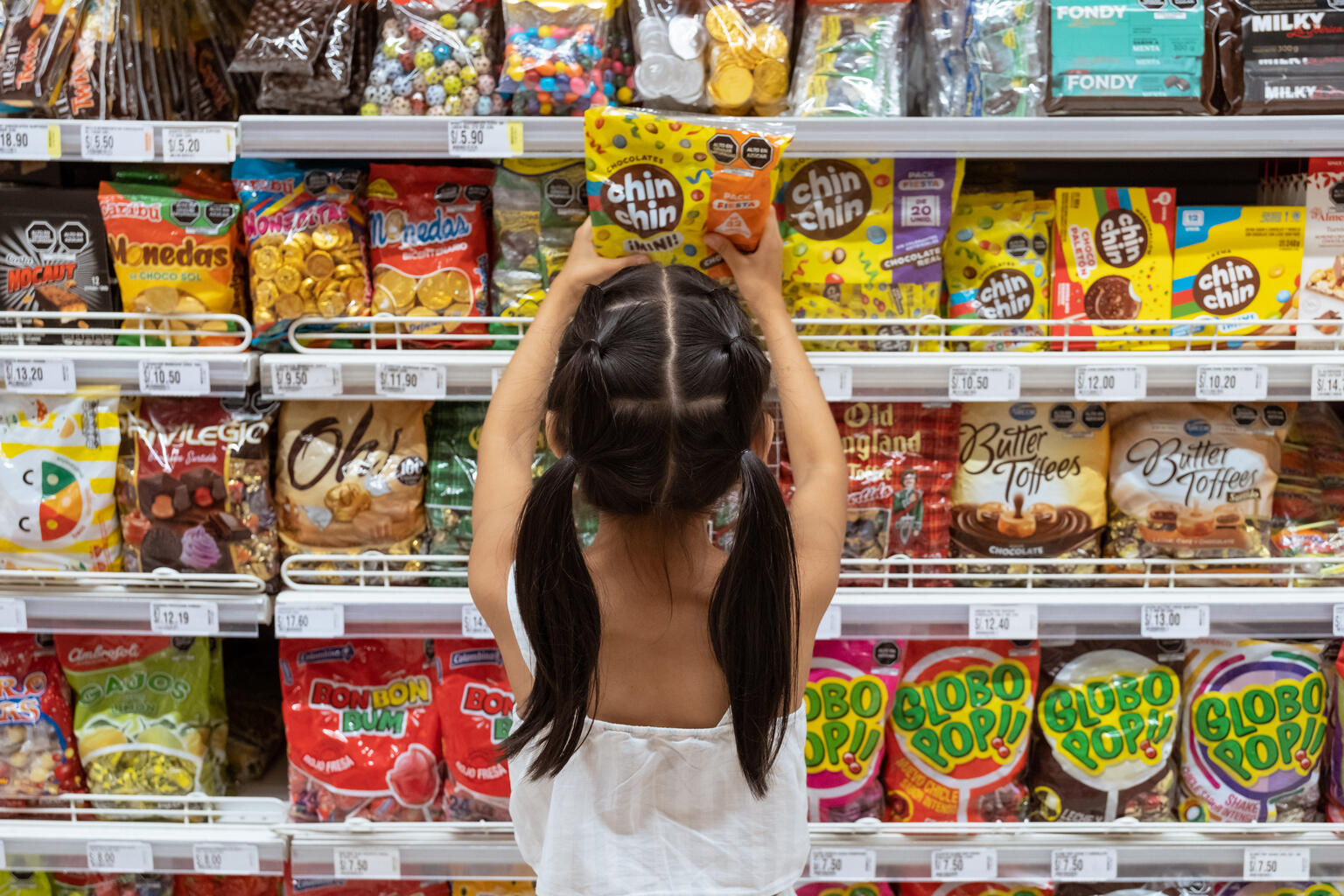
UNICEF has released the new report “Feeding Profit: How Food Environments are Failing Children” concerning children and adolescents aged 5 to 19. The report, published in September 2025, is based on data collected in 190 countries and covers the period from 2000 to 2022. The figures show that the prevalence of underweight has declined, dropping from nearly 13% to 9.2%, while obesity rates have risen from 3% to 9.4%.
The notable finding is that obesity has surpassed underweight as the most widespread form of malnutrition. Overweight (a condition that risks progressing to chronic diseases) affects 1 in 10 school-age children and adolescents, or 188 million people.
«When we talk about malnutrition, we’re no longer talking only about children who are underweight—
“Obesity is a growing problem that can affect children’s health and development.”
The UNICEF Report
Overall, the report shows that obesity now exceeds underweight, with the exception of Sub-Saharan Africa and South Asia. In high-income countries, obesity remains high: 27% in Chile, 21% in the United States, and 21% in the United Arab Emirates. The highest obesity rates were recorded in several Pacific island nations (38% in Niue, 37% in the Cook Islands, and 33% in Nauru).
Meanwhile,
Globally, 1 in 5 children and adolescents aged 5–19, or 391 million, are overweight, with a substantial share classified as living with obesity.
In Italy, “the share of children and adolescents aged 5 to 19 who live with overweight declined from 32% in 2000 to 27% in 2022. The share living with obesity remained steady at 10% in 2022, while the number of children living in underweight rose from 1% in 2000 to 2% in 2022,” notes Nicola Graziano, president of UNICEF Italy.
Causes of Poor Nutrition
The report highlights how ultra-processed foods (high in sugars, refined starches, salt, saturated fats, and additives) and fast food are shaping children’s eating patterns through unhealthy food environments, rather than through individual choices. These products dominate stores and schools. Moreover, digital marketing enables the food and beverage industry to reach young audiences with ease.
«Ultra-processed foods are increasingly replacing fruits, vegetables, and proteins at a moment when nutrition plays a critical role in children’s growth, cognitive development, and mental health» explains UNICEF’s executive director.
UNICEF’s Proposed Solutions
Several governments are taking steps to promote a healthier dietary regime. For instance, Mexico recently banned in public schools the sale and distribution of ultra-processed foods and items high in salt, sugar, and fats. The measures have positively impacted more than 34 million children.
To reverse the trend, UNICEF urges governments, civil society, and partners to act with urgency. For example, it recommends adopting mandatory, wide-ranging measures to improve children’s food environments, including food labeling, restrictions on the marketing of food products, taxes, and subsidies.
Institutions should establish strict safeguards to prevent the ultra-processed food industry from interfering with public policy processes.
It would be prudent to encourage social and behavioral change initiatives that give families and communities the power to demand a healthier food environment. Additionally, UNICEF calls for strengthening social protection programs to address income poverty and improve financial access to nutritious diets for vulnerable households.
«Nutrient-rich and affordable foods must be available to every child to support growth and development. We urgently need policies that help parents and caregivers access nutritious and healthy foods for their children» emphasized Russell.
The education sector is urged to prohibit the procurement, sale, and sponsorship of ultra-processed foods and junk foods in schools.
Subscribe to Integrated Medicine