
Article produced in collaboration with Eli Lilly
General practice is the optimal setting to intercept and treat, in the early stages, patients with obesity or with risk factors that predispose to the development of this chronic condition over time. The continuity of care and the frequent access to the family physician’s clinic, together with an in-depth knowledge of the patient’s medical history, family history, and lifestyle, are conditions that favor taking charge and monitoring over time. This ongoing monitoring is essential to promote adherence and long-term therapeutic persistence.
In-clinic screening
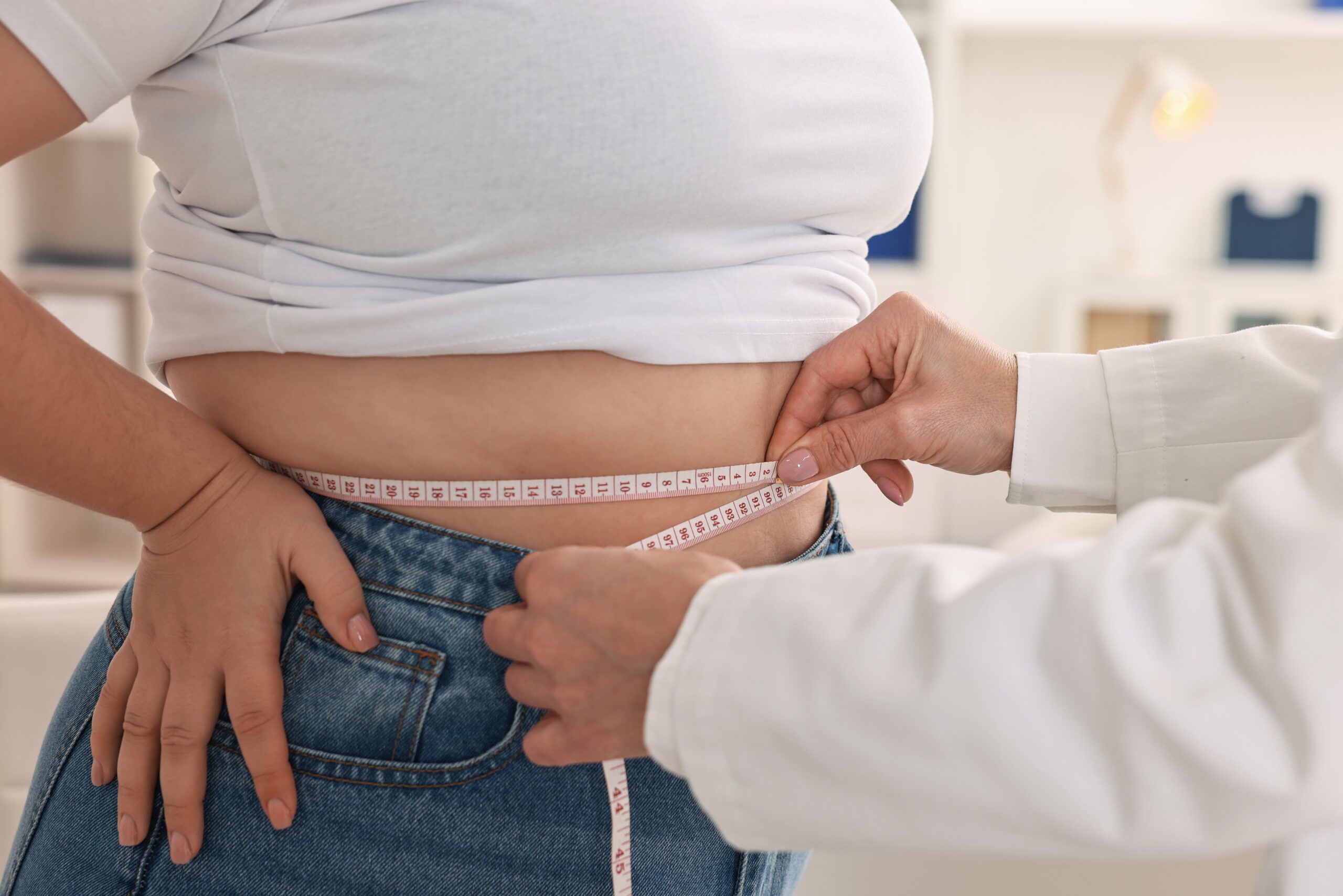
Weight is decisive, so BMI (Body Mass Index), the primary indicator of obesity, should be integrated with other important parameters: waist circumference, the site where visceral adiposity accumulates that predisposes to potential comorbidities associated with excess weight, and the waist-to-height ratio.
«The Italian guidelines and international guidelines for the management of overweight and obesity— explains Gerardo Medea, General Practitioner and National Head of the Research Area of SIMG (Italian Society of General Medicine) and expert in endocrinology problems, diabetes, and obesity – among which those of SIO (Italian Society of Obesity) and EASO (European Association for the Study of Obesity)— are the reference for defining the eligibility of an obese patient for a structured and gradual therapeutic pathway. Both guidelines clarify that BMI represents the main parameter for screening the patient and for access to therapies: lifestyle interventions with BMI from 27 to 29.9, without excluding the possible support of pharmacological therapy; pharmacological therapy is preferred in the BMI range 30 to 39.9 and metabolic-bariatric surgery with BMI ≥40. Integrating BMI with waist circumference and fat distribution also allows assessment of cardiovascular and metabolic risk».
The medical record is a valuable source of information for the GP as it records potential issues such as hypertension, glycemic abnormalities, dyslipidemia, OSAS (obstructive sleep apnea), useful to frame obesity in a broader context and assess its complications.
«The screening for overweight and obesity, through weight and BMI— continues Medea— should be performed systematically, especially in the young adult population, between 30 and 45 years old, the most exposed to weight gain, including assessment of other potential organ damage or existing complications: diabetes, hepatic steatosis, kidney failure, osteoarticular problems, functional limitations, more likely in obese patients than in the general population».
Screening in the GP’s clinic requires few tools and low cost: a scale and stadiometer, a tailor’s measuring tape for the waist, in addition to the diagnostic and therapeutic algorithms of the guidelines.
«Age is another factor to consider in evaluating a person with obesity— adds Medea —think, for example, of the elderly patient in whom this condition can be associated with sarcopenia, i.e., a deficit of lean body mass, a pathology within the pathology that compromises strength, function and movement, one of the pillars on which obesity treatment rests, making weight loss and the preservation of muscle mass more difficult».
Where therapeutic needs exceed professional and management competencies, the GP can rely on specialized endocrinological, dietary, nutritional, physiotherapeutic, or psychological consultations as needed or refer the patient to II- and III-level centers (obesity or metabolic-bariatric surgery), to start structured, organized, and personalized care pathways. «Unfortunately, on the ground, obesity care is still very fragmented— Medea comments—there are no structured care pathways and a uniformly distributed network, although there is greater awareness and attention to obesity thanks to its recognition as a chronic disease and the development of new drugs available in Italy, safe and highly effective».
Adherence and therapeutic persistence
The role of the GP is essential in accompanying the patient along the treatment journey to optimize management and therapeutic outcomes: «Between doctor and patient, an alliance must be established, a kind of “therapeutic contract” in which, from the outset, therapeutic strategies, monitoring, and clinical goals are shared, such as the amount of weight loss that should be gradual and reasonably achievable, the improvement of risk factors and complications that may be present, also considering the patient’s personal expectations such as, for example, regaining mobility autonomy, reclaiming social relationships, improving the psycho-emotional state, and so on».
«Adherence and persistence to treatment are possible challenges even in obesity— emphasizes Medea—hampered by several factors: the necessary lifestyle changes, the aforementioned drug side effects, the biological mechanisms that oppose weight loss, social stigma and changes in body image that can dampen motivation to continue therapy, up to, in some people, fear of injections, a problem that will soon be overcome in Italy with the arrival of oral obesity medications. Not least among the obstacles is also the cost of therapy not yet reimbursed by the National Health Service».
The GP’s support and proximity to the patient at all stages of care and of emerging challenges constitutes the most effective continuity of care response to restore the person’s motivation to persist with treatment over time. This accompaniment can now be enhanced and integrated by digital tools, such as telemedicine visits and monitoring, even though this technology is still underutilized in outpatient clinical practice, and apps that can support the patient in self-monitoring based on a plan agreed with the doctor. «These tools are useful both for the doctor to have real-time updates on the patient’s status— clarifies Medea—and for the person with obesity, potentially serving as an incentive to continue their efforts toward the agreed goals and the milestones gradually reached».
A new view of obesity
«The management and treatment of obesity— concludes Gerardo Medea—requires, even from the GP, a paradigm shift that treats this condition as a disease responsible for enormous social costs and for the national health system, to be recognized and adequately treated early and continuously. Today we have effective therapeutic tools that can achieve weight reductions of more than 20% from the initial weight and strategies that, when used together, help improve the patient’s health and sustain benefits over time».
Subscribe to Integrated Medicine