
In the challenging years that medicine is navigating, the medical profession is traversed by a sense of uncertainty about its own role and future, weighed down by heavy and insidious bureaucracy, undermining its authority in the eyes of patients, by the generalized use of research conducted via information technologies, which, by their very nature, possess an intrinsic ability to generate trust, thanks to the speed at which they can provide answers to the most complex questions.
Against this backdrop of change that is difficult to manage, a new presence is entering the scene: Artificial Intelligence.
Artificial Intelligence, thanks to the integration into everyday medical practice of computing tools with extraordinary processing power, is now accessible to a broad segment of people. The first medical activity that could be influenced will be family medicine, to which Artificial Intelligence could partly substitute for a range of practical and economic factors, while other medical specialties could gradually face the same fate.
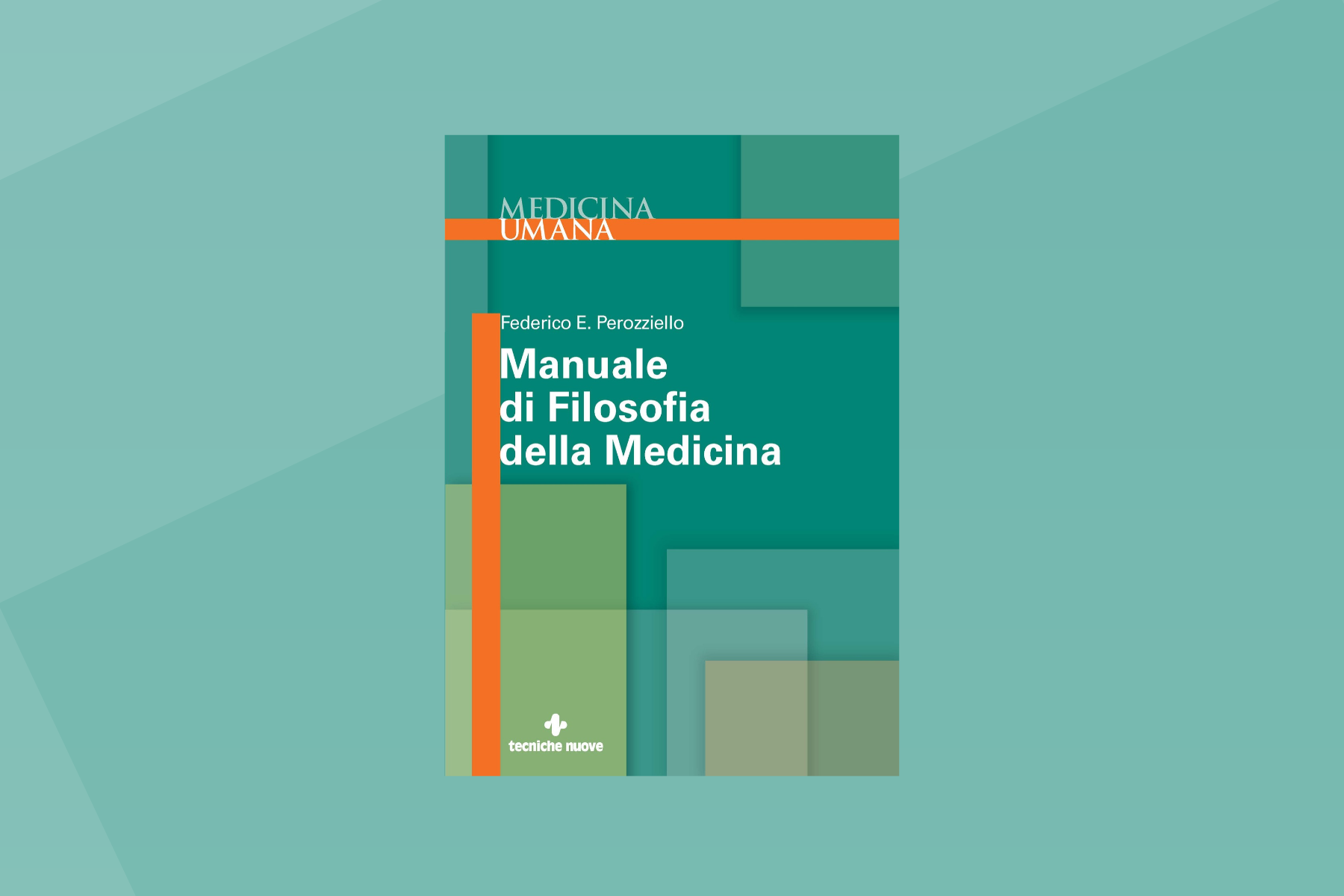
The Volume
The answer offered by the Manual of Philosophy of Medicine is to encourage doctors and healthcare professionals to study philosophy. This is a subject that has been taught to physicians for centuries at European universities, and today it can foster a deeper cultural awareness in the practice of care. A philosophical training can provide both new and, at the same time, old tools, necessary to not be passively replaced by Artificial Intelligence, but to know how to use it in a balanced way.
The Author
Federico Edoardo Perozziello is a physician, historian and philosopher of medicine, a university professor, and author of numerous essays on the topic, some of which have been awarded at important national cultural events.
Subscribe to Karla Miller