
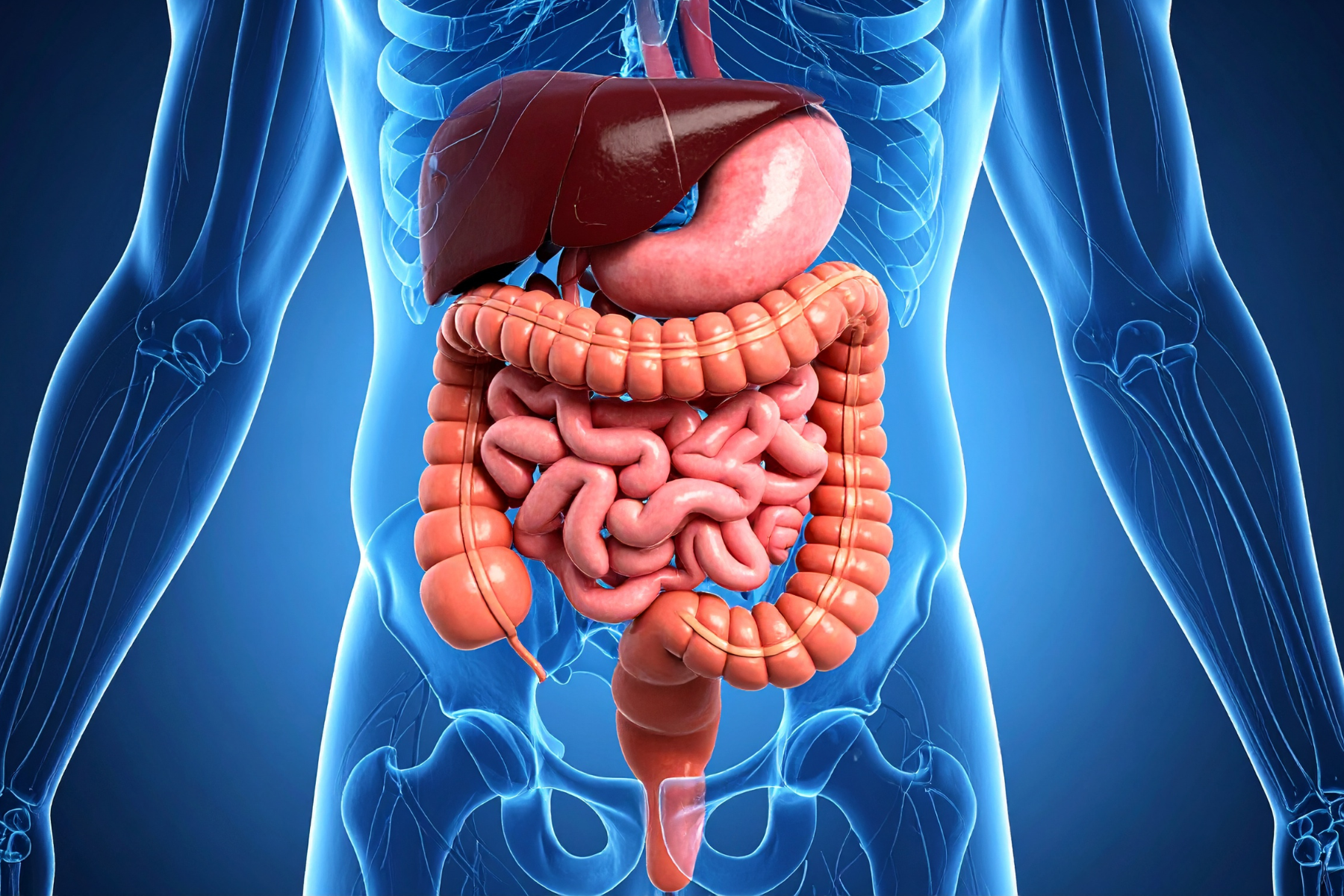
There could be a potential link between intestinal inflammation and the development of colorectal cancer. The process would be driven by lasting epigenetic marks in cells that follow the inflammation itself, promoting the emergence of neoplasms, specifically colorectal cancer, even years after tissue healing. This is what a study on animal models from Harvard University suggests, published in Nature.
The Gut Remembers, Too
Inflammation is a trigger for the development of many chronic and oncologic diseases, but the underlying mechanisms remain hazy, still incomplete. Understanding it, including the link between inflammation and cancer, could contribute to the development of new tools for prevention and early diagnosis. The study, in particular, analyzed the possible “epigenetic memory” of inflammation, especially chronic, as the most likely factor in the appearance of colorectal tumors.
To address this objective the researchers used a mouse model of colitis, arriving at a demonstration that colon stem cells retain an epigenetic memory of inflammation after the disease resolves, persisting for more than 100 days. It was observed that the memory of colitis is characterized by clearly expressed hallmarks: a cumulative increase in the activity of the transcription factor AP-1 (activator protein 1), with long-lasting changes in chromatin accessibility.
In addition, the researchers developed SHARE-TRACE, a method that enables simultaneous profiling of gene expression, the transcriptional state—namely which genes are active—, the epigenomic state, i.e., which parts of the genome are accessible and thus can be activated or deactivated, chromatin accessibility, and the clonal history in single cells, which allows reconstructing the “family” of each cell, enabling high-resolution tracing of epigenomic memory.
This instrumental approach allowed researchers to establish that the memory of colitis propagates intrinsically at the cellular level and is inherited through stem cell divisions, with some clones showing stronger memory than others. Finally, the study shows that colitis predisposes stem cells to higher expression of a gene program regulated by AP-1, following an oncogenic mutation that accelerates tumor growth, a phenotype dependent on AP-1 activity.
Therefore these results provide a first possible mechanistic link between chronic inflammation and malignancy, revealing how long-lasting epigenetic alterations in regenerating tissues may contribute to disease susceptibility. Based on this evidence, diagnostic and therapeutic strategies could be developed to mitigate cancer risk in patients with chronic inflammatory conditions.
What This All Means
The results seem to suggest that after a series of episodes of chronic intestinal inflammation, even tissues that appear completely healed can retain molecular scars of past inflammation, which do not involve DNA mutations but epigenetic modifications, i.e., changes to the epigenome—the set of mechanisms that regulate gene activation and silencing.
These changes can be transmitted from cell to cell across many generations of cell division, with lasting effects on gene activity and potential tumor growth. In practical terms, it has been observed that some cells retained a durable epigenetic memory of inflammation, with certain regions of DNA remaining accessible even when gene activity had returned to normal.
In other words, once a mutation favoring the onset of cancer is introduced, tissues with epigenetic memory develop larger and faster-growing tumors compared with tissues that had no prior inflammations, due to the activation of groups of tumor-growth-promoting genes that are more readily activated precisely because of the memory of inflammation. Moreover, it was observed that stem cells with a more pronounced epigenetic memory were able to transmit these changes to their daughter cells, creating entire families of cells predisposed to cancer.
A New View of Cancer
These discoveries open the door to a possible new paradigm for reading and interpreting cancer: not only genetic mutations matter, but also the cell type and the experiences that that specific cell has undergone, which can become triggers for the disease. The next goal of the research is now to understand whether these molecular scars can be identified in human stool samples to identify people at higher risk.
If this proves true, it could pave the way for future treatments capable of intervening on the mechanism underlying the process, as well as offering explanations for why colorectal cancer has risen significantly among young people in some countries, suggesting that changes in diet, lifestyle, or exposure to toxic substances may drive disease onset even earlier and even more so than inherited genetic variations, which take a long time to spread through populations.
Source Nagaraja S, Ojeda-Miron L, Zhang R et al. Epigenetic memory of colitis promotes tumour growth. Nature, 2026. DOI: https://doi.org/10.1038/s41586-026-10258-4
Abbonati a Karla Miller