
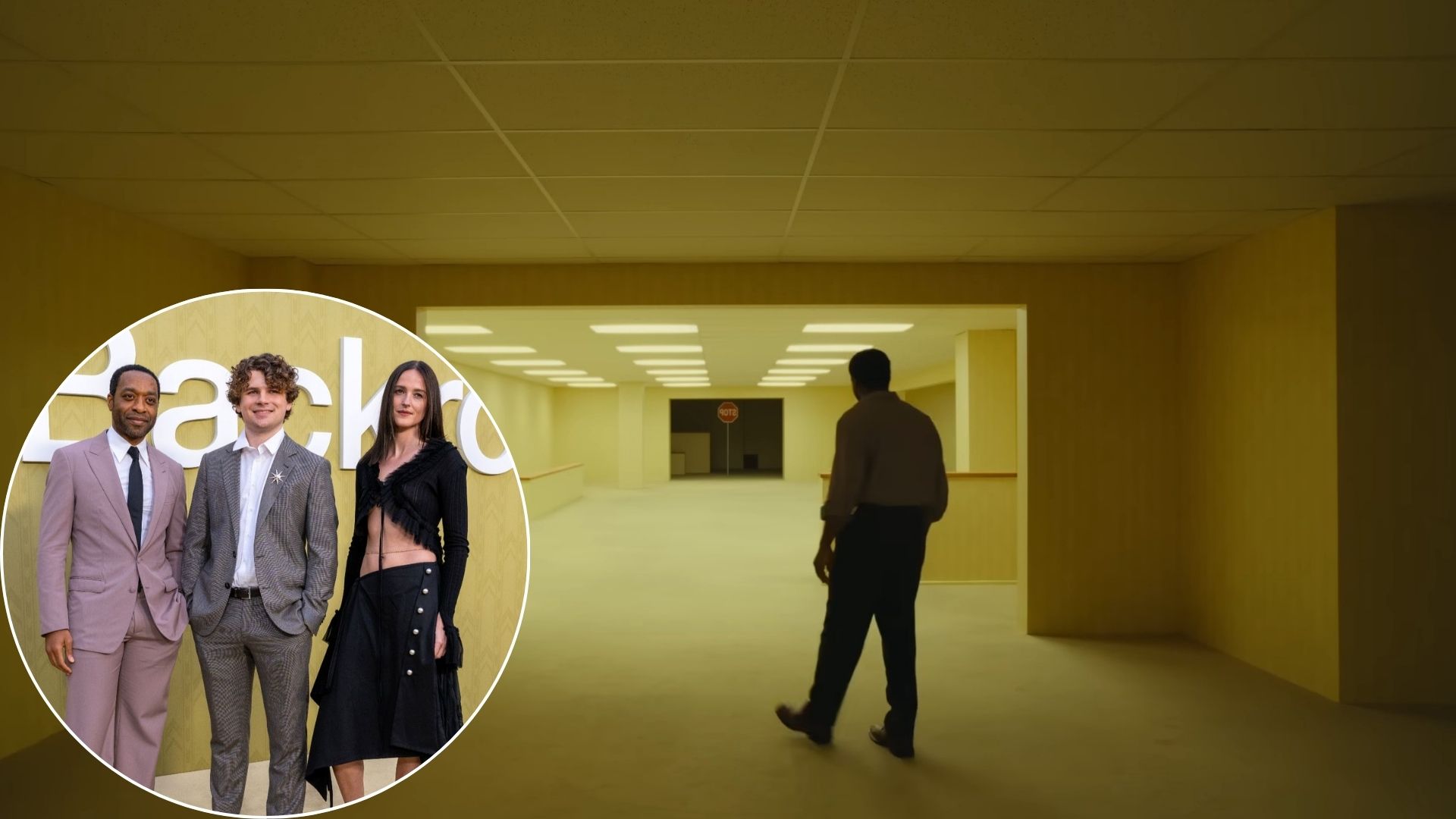
“Backroom” delivered one of the most spectacular box-office openings in recent Hollywood history, setting a new record for A24 during its opening weekend with $81.4 million in the United States and $118 million worldwide. Made for a budget estimated at a mere $10 million, the film not only surpassed Alex Garland’s “Civil War” to become the studio’s biggest debut ever, but it also set the record for the best opening weekend for an original horror feature. This impressive performance instantly transformed a low-budget horror project into one of the most profitable theatrical launches of 2026. For A24, a studio long associated with prestige dramas and critically acclaimed indie titles, this success marks a pivotal commercial milestone that few industry analysts forecast just a few months ago.
Share your scoop
Seen something? Discretion assured.
The scale of this achievement is even more striking when measured against A24’s previous record. Before Backroom, Civil War held the studio’s best opening weekend, bringing in $25.7 million in domestic box office in April 2024. Backroom more than tripled that figure, generating more than eight times its total production budget just from domestic ticket sales in its first three days in theaters. With $118 million in worldwide receipts on the opening weekend, the film earned nearly twelve times its reported budget before the weekend was even over. Such performances are typically reserved for major franchises with production budgets exceeding $150 million. Instead, Backroom achieved this feat with a budget that would be considered modest by even independent horror standards, cementing its status as one of the year’s biggest surprises.
The origins of the film make its success even more extraordinary. The Backrooms began life as an internet urban legend and creepypasta centered around a chilling concept: an endless maze of empty offices lit by flickering neon, carpeted in a damp yellow hue, seemingly detached from reality. These unsettling images quickly spread online, spawning countless theories, stories, and fan creations. The phenomenon reached a new peak of popularity when YouTube creator Kane Parsons, known online as Kane Pixels, released a series of highly realistic “found footage” shorts based on the concept. Presented in a retro VHS-inspired style, these videos earned tens of millions of views and convinced many viewers that the footage felt unsettlingly real. The mix of liminal spaces, analog horror, and mysterious lore transformed The Backrooms from a mere web curiosity into one of the most recognizable horror franchises born entirely online.
The Viral Phenomenon
The franchise’s popularity continued to grow through video games, fan-made films, and vibrant online communities before Hollywood finally took notice. Unlike many modern blockbusters built on well-established literary or comic-book series, Backrooms was built almost entirely from participatory internet culture. That online success appeared to translate directly into ticket sales. The young audience familiar with the mythos turned out in force to see the movie, while general moviegoers were drawn by the curiosity sparked by this viral sensation. The film’s release demonstrates the rising influence of internet-native IP on the film market. Studios are increasingly eager to adapt online hits into theatrical experiences, but few properties have achieved the commercial breakout that Backroom enjoyed during its opening weekend. The film’s results could spur more investments in stories and creators born from the digital world.
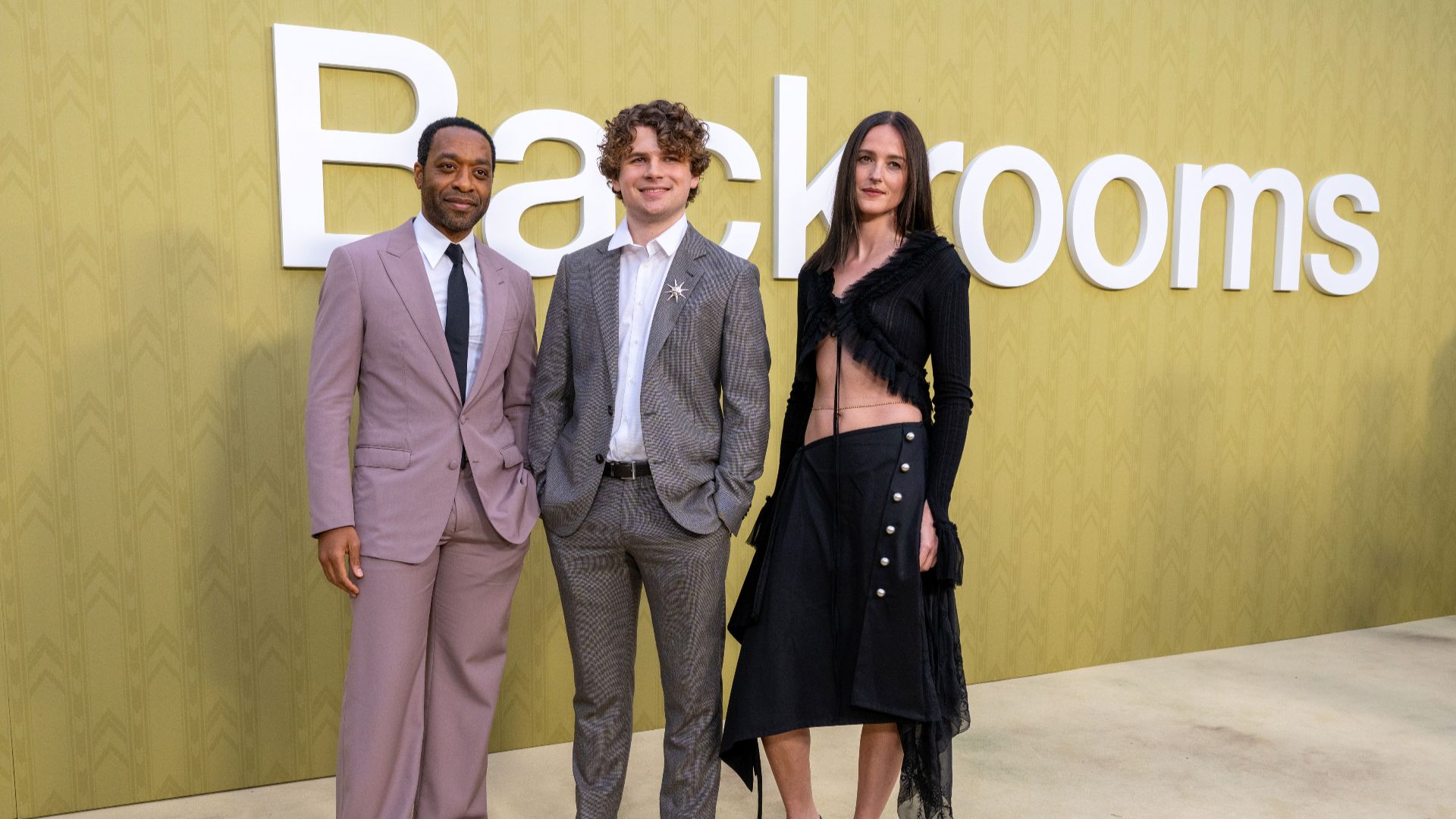
This record-breaking launch also places Backroom among the biggest box-office successes of 2026. Universal’s The Super Mario Galaxy Movie remains the year’s domestic heavyweight with $131.7 million, while Lionsgate’s Michael surprised the industry with a $97.2 million debut. Disney’s Star Wars: The Mandalorian and Grogu opened with $81.6 million, narrowly ahead of Backroom’s $81.4 million U.S. launch. Meanwhile, The Devil Wears Prada 2 posted a $76.7 million debut weekend. The fact that Backroom was competing with globally recognized brands like Mario and Star Wars underscores the scale of its achievement. Unlike these franchises, this horror film hit theaters without decades of built-up recognition, instead relying on an online fanbase, effective marketing, and word-of-mouth enthusiasm to fuel its success.
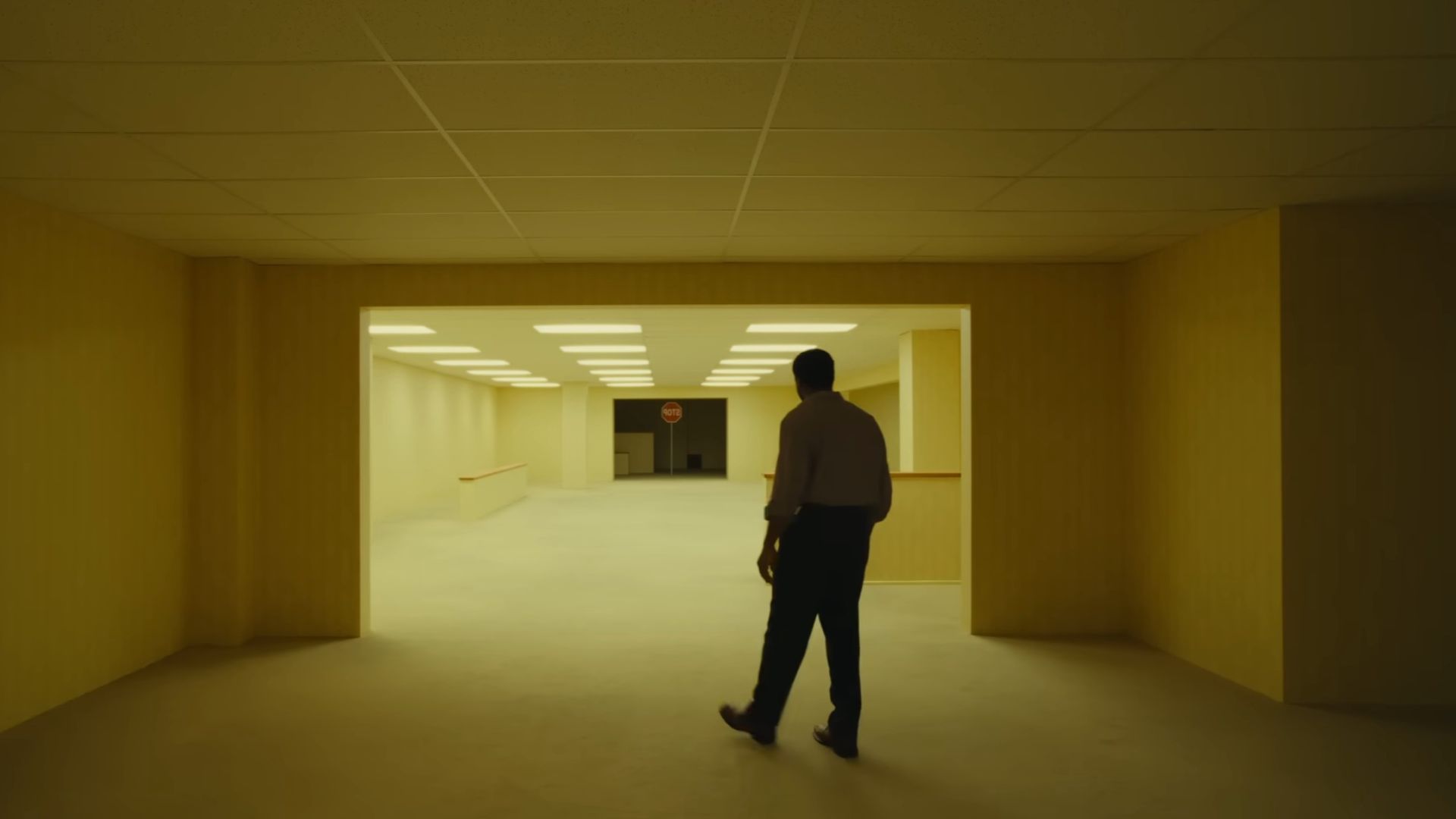
Beyond rewriting A24’s record books, Backroom could also redefine how studios assess risk and profitability. Hollywood has grown increasingly reliant on costly franchise films to guarantee returns, but Backroom proves that original concepts can still break through when backed by a devoted audience. Made for just $10 million, the film generated nearly twelve times its production budget worldwide in its opening weekend alone, making it one of the most profitable launches relative to its cost in recent memory. Industry analysts will be watching closely to see whether it sustains its momentum through its theatrical run and whether it could eclipse other A24 records. Regardless of the final box-office tally, Backroom has already earned a place in cinema history by turning a strange internet legend into a global movie phenomenon and by delivering A24’s strongest opening weekend ever.