
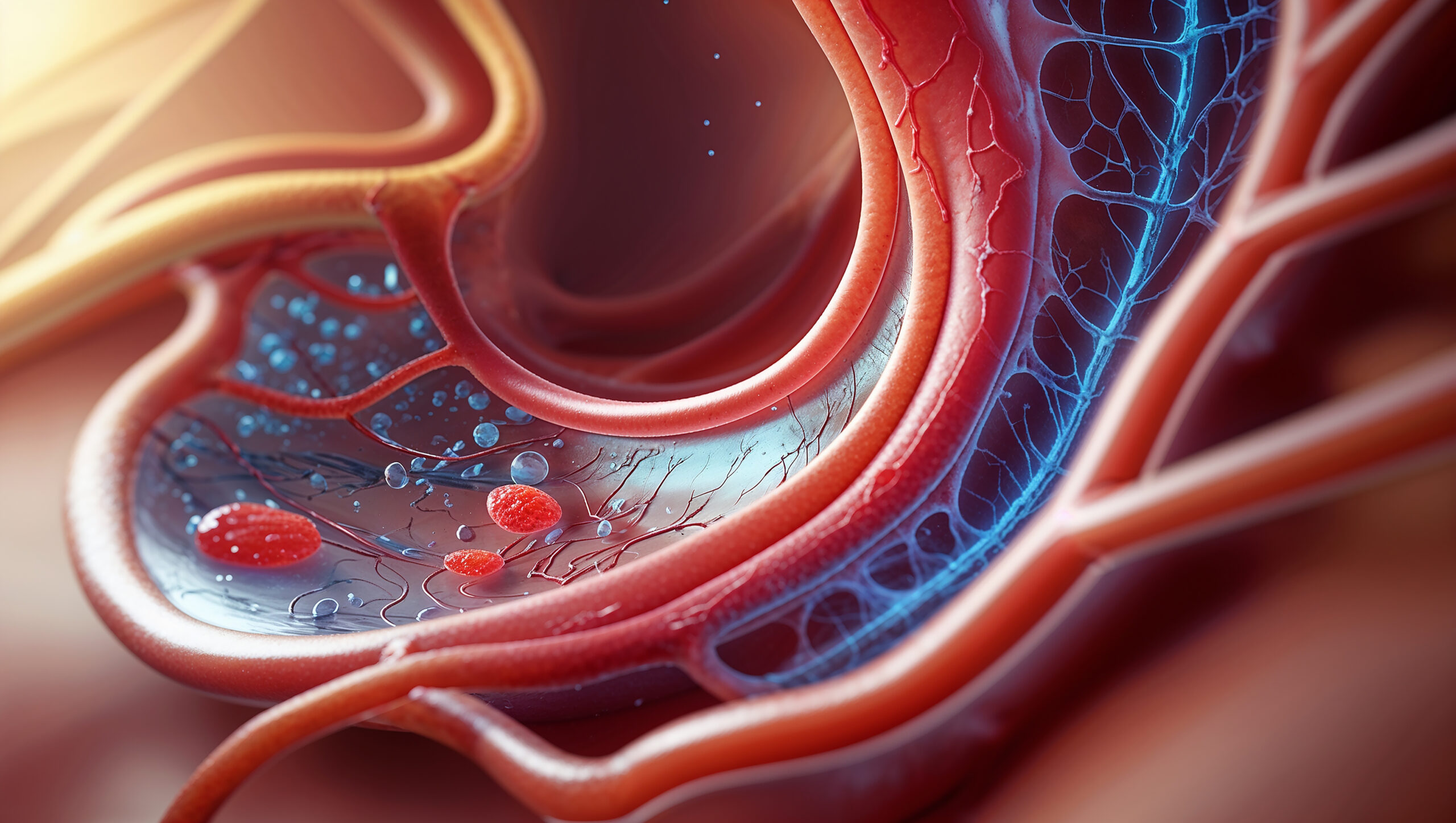
Urinary stone disease is a fairly common condition, affecting about 1% to 10% of adults in Italy and in industrialized nations. The risk of developing it increases with age, peaking around ages 55 to 60. It is one of the most common reasons for urology visits, with a prevalence among urology patients of 1%–15%. At the core of the problem is the precipitation of salts normally dissolved in urine: this leads to the formation of small crystals in the kidney (also known as “renella” or kidney sand) that tend to cluster and grow progressively, eventually turning into stones of varying sizes, from a few millimeters to several centimeters. The majority of stones are composed of calcium salts, particularly calcium oxalate and calcium phosphate (calcium stones, 60–85%). Among non-calcium stones, there are uric acid stones (10–20%), struvite or ammonium-magnesium phosphate (10–15%), and, more rarely, cystine (about 1%).
The Types
The most common type of urolithiasis is calcium oxalate (CaOx) crystal formation. Calcium oxalate stones are more frequently found in younger patients, while mixed stones and those composed of uric acid tend to appear at an older age. Their formation can occur over a period that may vary from two to five years. In most cases (about 80%), stones do not exceed 5 mm in diameter and are spontaneously expelled through the urinary tract. However, when a stone reaches larger sizes, it can block the passage in segments such as the ureter and trigger an abrupt, sharp flank pain known as renal colic.
How It Develops
Urinary stone disease develops on complex pathophysiological foundations and has a multifactorial etiology. Among the main predisposing factors are metabolic diseases, such as diabetes and obesity, and chronic inflammatory intestinal conditions, including celiac disease and Crohn’s disease. Genetic or metabolic disorders, such as hyperoxaluria and hypercalciuria, can also contribute. Hyperparathyroidism, characterized by excessive production of parathyroid hormone (PTH)—the hormone involved in regulating calcium and phosphorus in the blood—represents another risk element. Some kidney diseases, such as renal tubular acidosis, or anatomical malformations of the urinary tract, together with recurrent urinary infections, can also promote stone formation.
Triggering Factors
Stone formation is frequently associated with poor urine dilution, often resulting from insufficient fluid intake. Diet also plays a crucial role, particularly when it is high in animal protein. Another significant factor is a deficiency of substances such as potassium citrate and magnesium, which normally hinder crystallization and stone growth, acting as natural inhibitors. Family history is another risk factor: individuals with a family history of kidney stones are more likely to develop the condition. It is estimated that about 75% of stone formers may experience a recurrence in their lifetime, and 50% will develop a new stone within ten years (T. Cai et al., 2021).
For this reason, it is essential to adopt prevention-oriented therapeutic strategies, including lifestyle modifications, dietary adjustments, and adequate daily hydration.
Knowledge of the stone’s composition and certain urinary parameters is fundamental for an appropriate treatment plan, which should aim to minimize the precipitation of the implicated urinary salts and/or increase substances that prevent precipitation (Veronesi Foundation).
Herbal Approach
According to Germany’s Commission E, for those suffering from kidney stones or sand, it is useful to regularly follow a “diluent therapy” based on medicinal plants with diuretic properties. These plants help remove small concretions and slow the growth of urinary stones. The treatment should be repeated periodically to optimize its beneficial effects. As Schultz V. et al. (2003) stated: “…it seems that increasing the excretion of hypotonic urine is an effective way to cleanse the urinary tract of bacteria, crystal nuclei, and other inflammatory agents, thereby protecting the damaged epithelium.”
Medicinal plants used in treating urinary stone disease are not limited to a diuretic effect; they offer a broad range of actions due to active constituents capable of intervening at different stages of lithogenesis. Researchers agree that “the main mechanism in the management of urolithiasis by various medicinal plants includes diuretic, antispasmodic, and antioxidant activity, as well as an inhibitory effect on crystallization, nucleation, and aggregation of crystals…” (Mina Cheraghi Nirumand et al., 2018). Additional benefits include antioxidant, anti-inflammatory, analgesic, antispasmodic, and antiseptic effects. A survey of both ancient and modern phytotherapy literature confirms that certain medicinal plants repeatedly appear among the most widely used solutions to counter urinary stones. It is noteworthy that the same plant is often successfully employed in treating different forms of renal lithiasis, such as uric acid and calcic stones, despite their different pathophysiological mechanisms. These plants, often from different botanical species, are popularly known as “stone-breakers” and have established themselves over time for their effectiveness in preventing and treating urinary stones, a value confirmed by traditional use and results.
Ceterach officinarum Willd
This is a small fern beloved by folk medicine, historically used as a chest remedy for coughs and, in particular, as a purifier, diuretic, and in dysuria caused by the presence of sand in the urine, bladder infections, and pelvic congestion. The infusion, especially the decoction of the aerial parts, is considered effective in calcium oxalate stone disease. The guidelines from the Ministry of Health note the following indications: drainage of body fluids; urinary tract function; fluidity of bronchial secretions. (Ministry of Health – DM 10 August 2018). The phytocomplex contains phenolic compounds (chlorogenic acid – caffeic acid), flavonoids, tannins, mucilages, and organic acids. The high concentration of phenolic and flavonoid compounds gives the phytocomplex a marked antioxidant potential, capable of mitigating the oxidative stress induced by exposure to lithogenic salts.
These components promote the generation of reactive oxygen species (ROS), highly unstable molecules that can compromise the integrity of the uroepithelium via cytotoxic and pro-inflammatory mechanisms. In vitro studies (aqueous extract – in vitro model of human intestinal enterocytes) have also demonstrated a significant effect on the kinetics of calcium oxalate crystallization (inhibition of growth and aggregation, etc.) and on the morphology of urinary crystals, by modifying their structure. These changes reduce the crystals’ affinity for renal cell membranes, decreasing their ability to adhere. Consequently, the stones become easier to pass through the urinary tract, contributing to natural expulsion and prevention of complications. Researchers have also observed under optical microscopy that the aqueous extract promotes the formation of dihydrate calcium oxalate (COD) crystals rather than monohydrate (COM). COD crystals are smaller and “less likely to adhere to and be retained by the surfaces of renal tubular cells than COM crystals, and thus cause less damage to tubular epithelial cells” (R. De Bellis, M.P. Piacentini et al., 2019).
Warnings: there are currently no clinical studies confirming therapeutic action and safety. Avoid use during pregnancy and lactation and in children under 12. Traditional use indicates an emmenagogue effect. Dosage: Infusion: 1 teaspoon of dried and crushed leaves in one cup of boiling water, steep for 10 minutes and drink 2–4 cups per day; flavor with anise or mint. Decoction: 4 tablespoons of the chopped herb per liter of cold water, simmer slowly for 5 minutes; strain and drink 2–3 cups per day. Dry extract (1% flavonoids): 1 capsule three times daily. Take with water. Tincture: 50 drops, diluted in water, 2–3 times daily.
Phyllanthus niruri L.
This herb, known as Chanca piedra in South America and bhumyamalaki in Ayurvedic tradition, is also used in traditional Chinese and Indonesian medicine. Its primary applications include use as a diuretic, urinary tract disinfectant, and hepatoprotectant. It is particularly indicated for the treatment of calcium oxalate stones and other types of stones. The guidelines from the Ministry of Health note the following indications: “Liver function. Carbohydrate metabolism. Urinary system function.” (Ministry of Health – DM 10 August 2018). The phytocomplex contains flavonoids with antispasmodic, anti-inflammatory, and antioxidant actions; lignans (phyllanthin and hypophyllanthin) that display hepatoprotective and uricosuric actions; triterpenes and, in particular, lupeol, capable of inhibiting the aggregation of CaOx crystals and the cytotoxicity they induce; polyphenols and bioflavonoids capable of inhibiting xanthine oxidase, the enzyme that catalyzes the conversion of hypoxanthine to xanthine and then to uric acid (uric acid forms from purines via xanthine oxidase). Research has also indicated that the plant interferes at many stages of stone formation (see: Ceterach officinarum Willd). Significant antioxidant effects have also been noted, capable of positively modulating metabolic alterations related to the physicochemical changes of the urinary environment (Pucci N.D. et al., 2018).
These effects contribute to counteracting the nucleation and aggregation processes at the heart of urinary stone formation. Researchers have noted that glycosaminoglycans, released in greater quantities, become incorporated into urinary stones, forming a protein coating. This coating hinders crystal aggregation, weakening its structure. This process gives the stones greater friability, facilitating disintegration and spontaneous elimination of fragments or small concretions. Clinically, the benefits may also relate to ureteral relaxation that aids the removal of stones or fragments after lithotripsy. Overall, these studies suggest a preventive effect, especially in calcium oxalate stones. Leaves, finally, are traditionally attributed hypoglycemic properties, but pharmacological and clinical data remain lacking.
Warnings: to date no renal, cardiovascular, neurological, or toxic adverse effects have been reported. Avoid use during pregnancy and lactation due to a lack of certain safety data. Researchers call for further studies and investigations. Dosage: Infusion: 1–2 g in 100 g of boiling water; infusion for 10–15 minutes, drink 2–3 cups per day; Decoction: 2 teaspoons of dried leaves per cup of water. Make a decoction for 10–15 minutes over low heat. Drink 2 cups per day; Dry extract (titer 3–10% total tannins). Take with plenty of water.
Elymus repens (L.) Gould (= Agropyrum repens L.)
This plant, known for its diuretic and soothing properties, is traditionally used in the treatment of inflammations affecting the genitourinary tract. Its action helps relieve symptoms associated with these disorders and also supports overall urinary tract well-being. The rhizome of couch grass contains minerals, saponins, etc., and an essential oil composed of about 95% agrypirene (agropyrene), with antibacterial (anti-adhesive) properties. The E Commission monograph of the BfArM states that the plant can be used for urinary tract inflammations and in the prevention of lithiasis.
Warnings: no reported adverse effects at therapeutic doses unless there is a particular individual sensitivity. As with all diuretic herbs, caution is advised with concurrent use of diuretic medications (possible additive effect). Avoid use in peripheral edema caused by heart or kidney failure. Dosage: Decoction: 1 teaspoon of herb per cup of boiling water, boil for 10 minutes; strain and drink several cups per day (6–9 g/day, in decoction – Commission E, BfArM). Note: the decoction is very bitter. After one minute of boiling, the liquid can be discarded and replaced with the same amount of water and re-boiled to obtain a less bitter decoction; Tincture: 40 drops, diluted in a glass of water, 3 times daily.
Many other medicinal plants are reported for preventive treatment of urinary lithiasis. For example, the EMA (European Medicines Agency) lists Ononis spinosa L., Orthosiphon stamineus Bentham, Solidago virgaurea L. In addition, Asparagus officinalis L. (asparagus), Betula spp. (birch), Equisetum arvense L. (horsetail), Parietaria officinalis L. (parietary weed), Physalis alkekengi L. (Chinese lantern), Ruscus aculeatus L. (butcher’s broom), Tilia platyphyllos L. (linden), Zea mays L. (corn), and others. Some of these species are particularly interesting for their mineral content, including potassium and magnesium, known for their inhibitory effects on crystallization and growth of urinary stones.
Gemmotherapy Remedies
Within Gemmotherapy, the following may be recommended:
Fagus sylvatica MG 1DH: a gemmotherapy preparation with effective diuretic activity, showing favorable action in nephrolithiasis, particularly in prevention. For optimal activity, it is often combined with Birch sap 1 DH or with Juniperus communis MG 1DH.
Juniperus communis MG 1DH: thanks to its draining property, capable of eliminating metabolic wastes, it acts favorably in kidney stones, particularly calcium oxalate forms (P. Henry) and in hyperuricemia. The stimulation of diuresis, together with enhanced liver function, therefore leads to a systemic turnover effect that translates into increased elimination of wastes by the body and thus a lighter hepatorenal system.
Linfa di betulla 1 DH: also known as Betula verrucosa sap 1DH, traditionally included in Gemmotherapy prescriptions though it is neither a glyceric macerate nor a gemmopreparation. The sap, rich in potassium, has main properties of activating diuresis and eliminating metabolic wastes, cholesterol, and uric acid in particular: it thus demonstrates strong diuretic and uricolytic activity, making it an excellent general draining agent for the body, especially when combined with other specific gemmotherapies (Fagus sylvatica, Juniperus communis).
Vaccinium vitis-idaea MG 1DH: due to its pronounced intestinal organotropism and anti-inflammatory action, it helps reduce intestinal absorption of calcium oxalate. Often, in chronic inflammatory bowel diseases, there may be increased oxalate absorption. The young shoots of Vaccinium vitis-idaea, thanks to its disinfectant activity in the urinary and intestinal tract, represent a specific remedy for recurring cystitis.
The recommended dosage for individual gemmotherapies is 30–50 drops diluted in half a glass of water, generally taken 1–2 times per day.
Renal-lithiasis–sand
Birch sap 1DH, 30–50 drops, dilute in water, 15 minutes before breakfast and/or dinner
Fagus sylvatica MG 1DH, 30–50 drops, dilute in water, 15 minutes before lunch
(cycles of 20 days per month for at least 3 months)
Renal stones – sand (calcium oxalate)
Juniperus communis MG 1DH, 30–50 drops, dilute in water, 15 minutes before breakfast
Fagus sylvatica MG 1DH*, 30–50 drops, dilute in water, 15 minutes before lunch and dinner
*or Vaccinium vitis idaea MG 1DH
(cycles of 20 days per month for at least 3 months)